


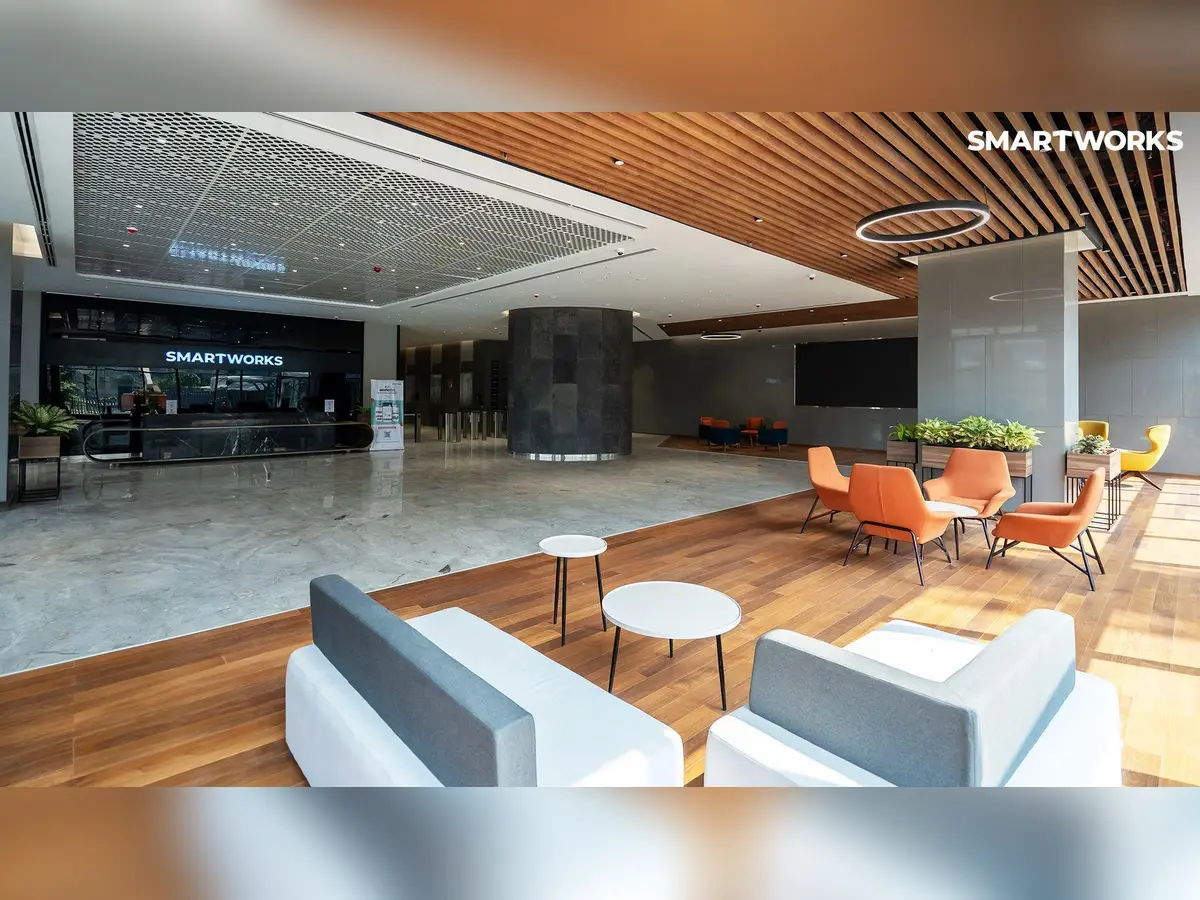
Mumbai’s commercial real estate landscape is witnessing a strategic shift as a large residential-led developer makes its first move into flexible office spaces, signalling how landlords are rethinking asset use amid evolving workplace demand.
The developer has launched a pilot coworking centre with 160 seats within its integrated township at Powai, marking an entry into the flex office segment. The site has the capacity to scale up to around 500 seats, but the initial rollout has been deliberately limited, reflecting a cautious approach to a business model that differs from traditional long-term office leasing. Industry observers say the move reflects a broader recalibration underway in Mumbai’s office market. With occupiers increasingly seeking shorter lease tenures, plug-and-play workspaces and hybrid-friendly layouts, developers are exploring flexible formats to improve asset utilisation and diversify income streams. Integrated townships such as Powai, with established residential catchments and social infrastructure, are seen as natural testing grounds for such concepts. People familiar with the company’s plans indicate that the pilot is intended to assess operational viability before extending the model to other commercial properties in locations such as Andheri and Thane. These micro-markets have seen steady demand from technology firms, professional services companies and startups seeking decentralised office locations closer to where employees live. Urban economists note that flexible offices are no longer limited to startups or freelancers. Larger corporates, including global capability centres, are increasingly using flex spaces for satellite offices, project teams and expansion without long-term capital commitments. This trend is reshaping how office buildings are planned, managed and financed.
The entry into coworking also aligns with the developer’s recent push to expand its commercial portfolio. Last year, it announced a substantial investment into a new office development in Andheri East, one of Mumbai’s most supply-constrained business districts. Across the Mumbai Metropolitan Region, the group already manages several million square feet of office space, providing a base from which to experiment with alternative workplace formats. At a market level, the timing is notable. Research firms tracking the sector estimate that India’s flexible office stock is on course to cross 100 million square feet within the next two years, driven by demand from technology, consulting and multinational firms. While Bengaluru continues to dominate in absolute terms, Mumbai is emerging as a key growth market, supported by financial services, media and global corporate occupiers. From an urban sustainability perspective, planners argue that well-located flex offices can reduce daily commute distances, particularly when embedded within mixed-use developments. By bringing workplaces closer to residential clusters, such formats may help lower peak-hour congestion and transport emissions, provided they are supported by public transit and pedestrian-friendly design.
As Mumbai’s office market adapts to post-pandemic work patterns, the success of developer-led coworking models will depend on service quality, pricing discipline and integration with surrounding urban systems. The Powai pilot offers an early indication of how established real estate players are positioning themselves for a more flexible, people-centric future of work.
Also Read: Mumbai Advances Long Pending Police Housing Overhaul
