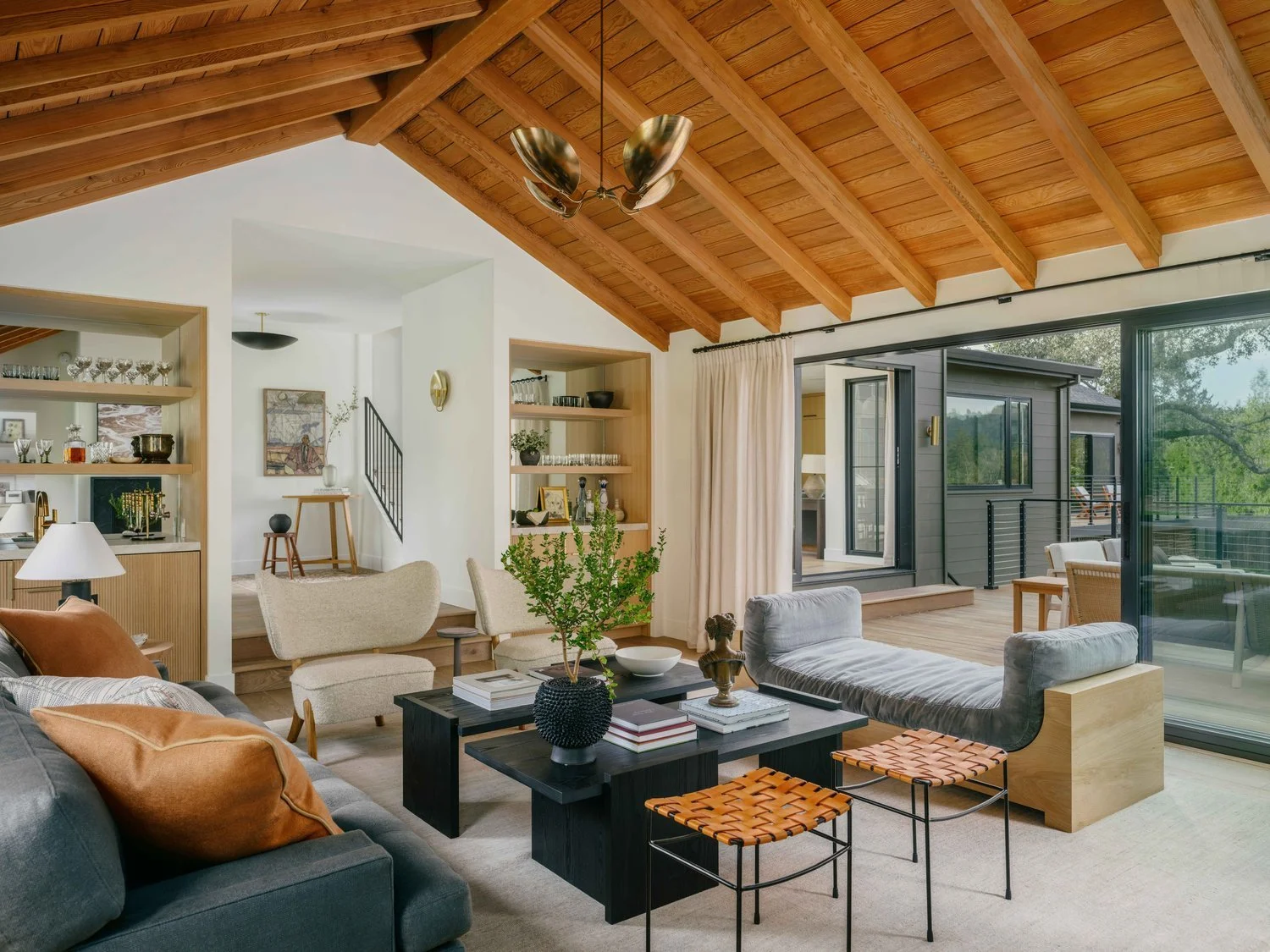
India’s luxury housing market is witnessing a marked shift in interior preferences, with bespoke furniture and fully customised design solutions emerging as central elements of premium residential projects. Design studios working across Mumbai, Delhi NCR and Bengaluru report that affluent homeowners are increasingly seeking tailored interiors that reflect personal lifestyles rather than standardised luxury formats — a trend highlighted by interior practice HKB Interior Design through its recent project activity and client engagements.
Industry professionals note that custom furniture has moved beyond aesthetic indulgence to become a functional necessity in modern Indian homes. With urban apartments becoming more compact and lifestyles increasingly hybrid, homeowners are prioritising furniture designed to exact dimensions, usage patterns and spatial constraints. According to design consultants familiar with the sector, this shift is particularly visible in high-value residences where clients expect interiors to be as individualised as the architecture itself.HKB Interior Design, which works across premium residential and hospitality interiors, observes that clients now approach design with a long-term mindset — favouring handcrafted cabinetry, made-to-measure wardrobes, customised seating and integrated storage solutions over catalogue-based offerings. The firm notes that demand is strongest in metropolitan regions where luxury housing supply has expanded but differentiation increasingly depends on interior experience rather than location alone.
Urban planners and real estate analysts suggest this evolution mirrors broader changes in India’s luxury housing market. As buyers become more design-literate and globally exposed, expectations have shifted toward homes that offer coherence, adaptability and emotional resonance. Custom furniture allows designers to resolve awkward layouts, optimise circulation and embed flexibility into living spaces — especially in redevelopment projects and high-density urban neighbourhoods.A senior interior design professional explains that bespoke furniture also enables sustainability-aligned outcomes. “Custom pieces are designed to last, fit precisely, and reduce waste from ill-fitting mass-produced items. In premium homes, longevity and responsible material use are becoming part of the luxury conversation,” the expert said.
The trend has also influenced how design projects are executed. Firms such as HKB Interior Design increasingly collaborate with Indian artisans, carpentry workshops and material specialists to ensure quality control from concept through installation. This approach supports local manufacturing ecosystems while delivering interiors that are both refined and contextually relevant.However, the growing appetite for customisation brings challenges. Longer lead times, skilled labour availability and cost considerations require careful project planning. Yet developers and designers agree that in the luxury segment, buyers view bespoke interiors as an investment in comfort, identity and long-term value rather than an optional upgrade.
As India’s premium housing market matures, custom furniture design is fast becoming a defining feature of luxury living — signalling a move toward people-first, design-led homes that prioritise usability, individuality and enduring quality.