


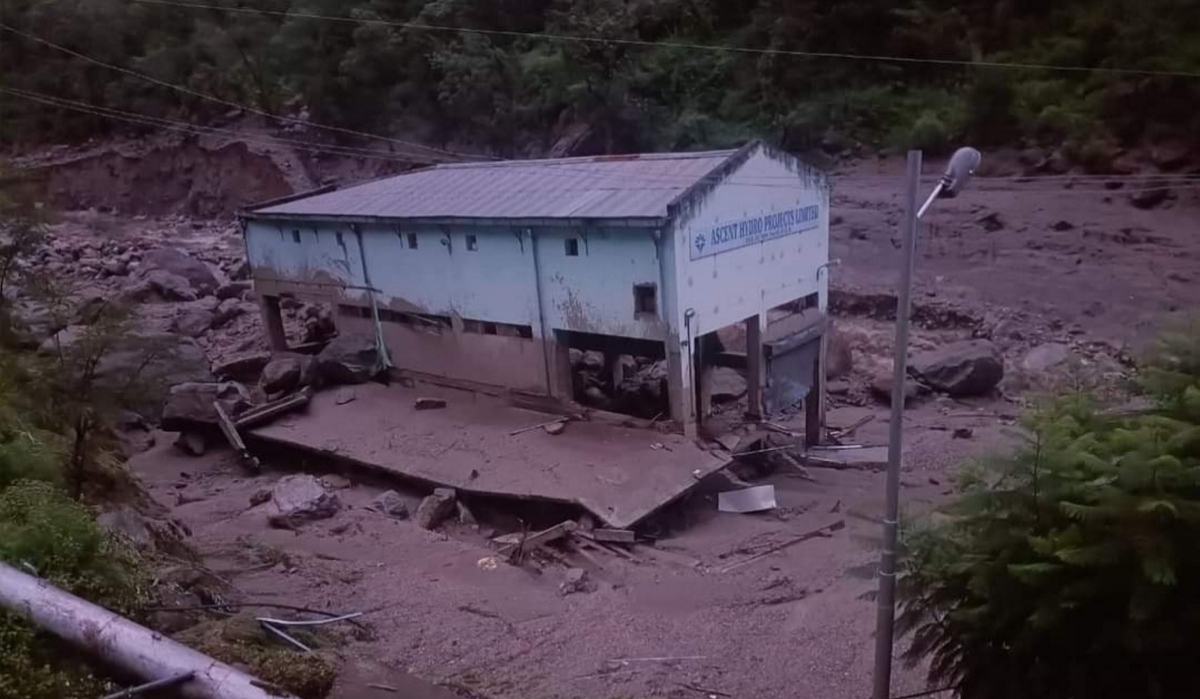
Rampur in Himachal Pradesh faced a severe weather event this week as a late-night cloudburst triggered flash floods, forcing the evacuation of residents and paralysing connectivity across the hill state. The incident, compounded by persistent monsoon rains, caused landslides that blocked 496 roads, including three critical national highways, severely affecting movement of goods and emergency services.
The flash floods, which surged through the Teklech market area in Rampur, fortunately claimed no lives, thanks to swift action by local authorities who evacuated nearby homes under threat. However, the disruption extended far beyond the district, with Mandi and Kullu bearing the brunt of road closures. Official data shows 278 roads blocked in Mandi and 118 in Kullu, cutting off several remote communities from essential supplies. Key arterial routes, including the Chandigarh–Manali National Highway (NH 21), the Old Hindustan–Tibet Road (NH 05) and the Aut–Sainj Road (NH 305), were rendered impassable due to debris and unstable slopes. Engineers from the Public Works Department are engaged in continuous clearance efforts, but ongoing rainfall has slowed progress and heightened the risk of secondary landslides.
Also Watch: An Exclusive Interview with Sanjeev Jaiswal (IAS), CEO MHADA
The State Emergency Operation Centre (SEOC) reported that, since the onset of this year’s monsoon, 108 people have lost their lives in rain-related incidents, with 36 still missing. Infrastructure damage has been extensive, with 1,120 power transformers and 245 water supply schemes affected, disrupting basic utilities in multiple districts. The meteorological department has issued an orange alert for heavy to very heavy rainfall in parts of Una, Kangra, Mandi, Solan and Sirmaur on Sunday, followed by warnings for Una, Bilaspur, Kangra, Kullu and Mandi on Monday. Officials warn that the saturated soil and fragile mountain terrain increase the likelihood of further landslides, posing a long-term challenge for disaster management in the state.
Experts in climate resilience point to such extreme events as a growing indicator of the Himalayan region’s vulnerability to climate change. Unplanned construction, deforestation, and inadequate drainage systems have aggravated the impact of heavy rainfall, leaving hill towns more exposed to flash floods and slope failures. Environmental planners argue for sustainable infrastructure projects that balance connectivity needs with ecological stability, such as slope reinforcement, rainwater harvesting, and regulated tourism expansion. For local residents and small businesses, the immediate concern is restoring road access and essential services. Yet, the broader challenge lies in adapting the state’s development blueprint to the realities of a changing climate, where cloudbursts and extreme monsoon patterns may become more frequent. As clearance teams work around the clock, the people of Himachal brace for more rain, and the hope that preparedness will match nature’s growing unpredictability.
Also Read: Mumbai Rain Forecast Today As Konkan Sees Yellow Alert
Himachal Sees Heavy Damage In Rampur After Cloudburst Sparks Flash Floods
