


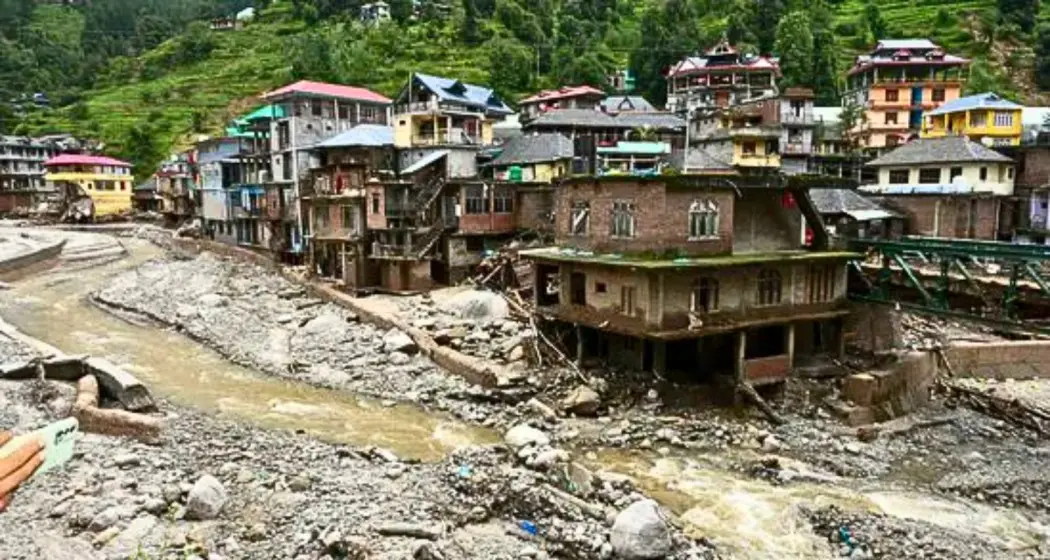
Himachal Pradesh is currently in crisis mode as monsoon showers trigger widespread disruption. The state meteorological department has issued a yellow warning across several districts, forecasting further heavy rainfall this week. As of 14 July, state authorities have recorded 199 road closures across Himachal, affecting critical connectivity in remote and urban areas alike. The State Emergency Operations Centre (SEOC) reports that approximately 105 lives have been lost since 20 June—61 due to rain-induced accidents and 44 in road incidents—while 184 individuals were injured and 35 remain missing.
Infrastructure damage is extensive: the SEOC estimates losses exceeding ₹786 crore. The region has endured 31 flash floods, 22 cloudbursts, and 18 landslides in a short span, according to official data. Such recurrent events highlight the vulnerability of fragile Himalayan ecosystems and the urgency for robust, sustainable infrastructure planning that integrates climate resilience. Local officials and environmental experts warn that continuing road closures are disrupting supply chains, emergency services, and community access to essential services. With the yellow weather alert still in force, there are concerns that further rainfall could exacerbate the situation, triggering additional landslides and road blockages.
Urban planners note that the engineering of roads and hillside developments must evolve to address such extreme weather patterns—particularly with a growing population and expanding tourism sector. “Adaptive design, early warning systems, and slope stabilisation are not luxuries but necessities,” stated a senior urban resilience expert. The economic toll of recurring calamities can be mitigated through pre-emptive upgrades and community-led risk mapping. Efforts are underway to restore mobility. Engineering teams are surveying damaged stretches and prioritising re-openings where safe. Official sources have committed to scaling up disaster-response capacity, with specialised task forces focusing on debris clearance, slope protection, and real-time monitoring using remote sensing technologies.
Himachal’s challenges mirror those faced by other eco-sensitive regions as extreme weather events become more frequent due to climate change. The current crisis underscores the importance of environmental stewardship and coordinated governance across disaster affected states. Residents, particularly agricultural and tourism-dependent communities, are urging authorities to expedite road restoration and to invest in long-term ecological infrastructure—such as bioengineering and watershed management—that can shield the region from future shocks.
Also Read : Patna Metro Clears Pune Train Rental And Hands Operations To DMRC Till 2028
