


Himachal Pradesh authorities have initiated urgent restoration on the Kiratpur–Pandoh–Kullu–Manali highway following extensive damage caused by flash floods and cloudbursts in Mandi and Kullu districts. The disruptions left Manali temporarily isolated, highlighting the vulnerability of critical Himalayan transport corridors to extreme weather events intensified by climate change.
Officials from the National Highways Authority of India (NHAI) convened an emergency meeting with regional field officers to assess the damage and launch immediate repair work on National Highway 21. The central government has sanctioned ₹100 crore for short-term rectification, focusing on ten sites along the Kullu–Manali section that were fully washed away and five other locations partially damaged by torrential rainfall. Alternative routes maintained by the Himachal Pradesh Public Works Department (PWD) are currently operational only for light vehicles, prompting NHAI to extend financial assistance for urgent repairs on these diversion roads. “Connectivity restoration is the top priority. Funds have been mobilised to ensure critical sections are temporarily reinstated while permanent solutions are planned,” said a senior NHAI official overseeing the project.
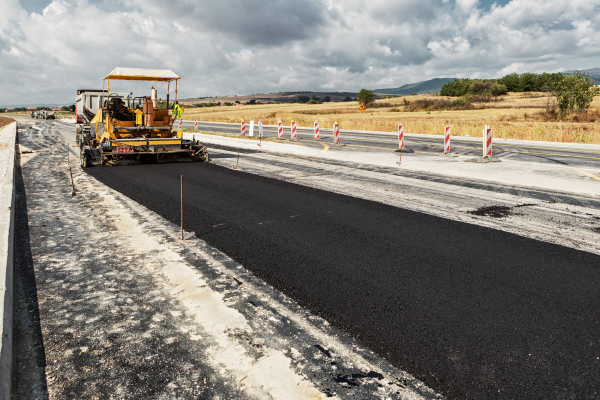
The highway’s maintenance contractor has been deployed to implement emergency repairs on a war footing. Measures include stabilising slopes, clearing debris, and repairing eroded pavement to re-establish safe passage for vehicles. Authorities emphasised that all restoration efforts are being executed with sustainable engineering principles to minimise environmental impact and enhance resilience against future extreme weather events. In parallel, NHAI is preparing a detailed project report (DPR) for long-term reconstruction along the flood-affected stretches. Proposed solutions include the construction of tunnels, elevated road structures, and reinforced embankments to reduce landslide risks and ensure year-round connectivity. Infrastructure experts note that adopting climate-resilient road designs is essential in Himalayan regions prone to erratic rainfall, flash floods, and slope instability.
“This emergency response demonstrates the importance of integrating disaster risk management into transport planning. While immediate repairs restore mobility, investing in resilient highway infrastructure will safeguard lives and economic activity in the region,” said a senior transport consultant advising on Himalayan highway projects. The ₹100 crore allocation for immediate restoration marks a significant central investment in disaster response, while future projects are expected to leverage modern engineering practices, environmental safeguards, and local ecological considerations. Officials confirmed that emergency operations are ongoing, with progress closely monitored to restore full connectivity to Manali and surrounding towns.
The situation underscores the broader challenge of maintaining critical mountain infrastructure amid increasingly erratic monsoon patterns. By combining rapid response with long-term climate-adaptive planning, authorities aim to reduce disruptions, protect livelihoods dependent on tourism and trade, and enhance resilience across the Himalayan transport network.
Also Read : Navi Mumbai Faces Flooding At Sanpada Underpass And Turbhe MIDC Roads
