


Hidden Water Beneath Hyderabad Sparks Civic and Sustainability Debate
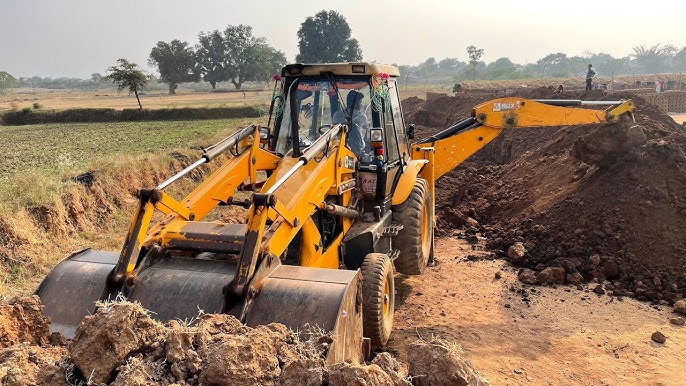
Hyderabad’s urban fabric was shaken by an unexpected discovery during the restoration of Bathukamma Kunta in Amberpet. As the Hyderabad Metropolitan Development Authority (HMDA) and Hyderabad Restoration and Development Authority for Aquatic Assets (HYDRAA) undertook excavation work, water started surfacing just four feet below the ground. The discovery initially sparked speculation about a burst underground pipeline, but the Hyderabad Metropolitan Water Supply & Sewerage Board (HMWSSB) later clarified that no such network existed in the vicinity. This finding has since ignited a larger conversation about the groundwater situation in Hyderabad, raising questions about the city’s water table health and the role of urbanisation in depleting natural reserves. Given the ongoing summer water shortages, residents have found hope in the presence of groundwater at such a shallow depth, although experts caution that its sustainability remains uncertain.
With Hyderabad’s rapid urban expansion, groundwater depletion has been a pressing issue, with water tables plunging deeper each year. The surprise finding at Bathukamma Kunta has drawn comparisons to other areas in Telangana, where water scarcity has led to increased reliance on borewells and tanker supplies. According to the Central Ground Water Board, Hyderabad’s groundwater table has been declining by 1-2 metres annually due to over-extraction. Areas such as Kukatpally and Gachibowli, which were once water-rich, have seen their water levels drop below 20 metres, making the discovery at Bathukamma Kunta even more remarkable. Environmentalists suggest that this incident highlights the need for robust urban water conservation policies, including the revival of existing lakes and protection of natural aquifers. The presence of water so close to the surface suggests that there may still be untapped groundwater reserves, though experts warn against unsustainable exploitation.
From a sustainability perspective, this finding reinforces the importance of lake conservation and urban water management. The city has already lost nearly 3,000 lakes over the past century due to encroachment and urbanisation, severely impacting its natural water recharge system. The Bathukamma Kunta restoration project is one of several efforts to reclaim lost water bodies, and this unexpected discovery underscores the benefits of such initiatives. If managed effectively, this water source could be integrated into the city’s rainwater harvesting framework, reducing dependency on external water supplies. Experts suggest that systematic watershed management and sustainable urban planning are crucial to preserving Hyderabad’s water security, preventing further depletion of groundwater resources, and ensuring long-term sustainability.
From a civic standpoint, this incident exposes gaps in Hyderabad’s urban planning and water infrastructure mapping. The initial confusion regarding an underground pipeline highlights the need for comprehensive documentation of existing water networks. Many urban lakes and wetlands have been encroached upon, leaving behind fragmented water bodies that are often unaccounted for. The discovery at Bathukamma Kunta serves as a reminder of the city’s lost hydrological assets, urging local authorities to reassess water conservation strategies. As Hyderabad continues to urbanise, such findings present opportunities to reinforce civic engagement in water management and to ensure that natural resources are preserved for future generations.
