


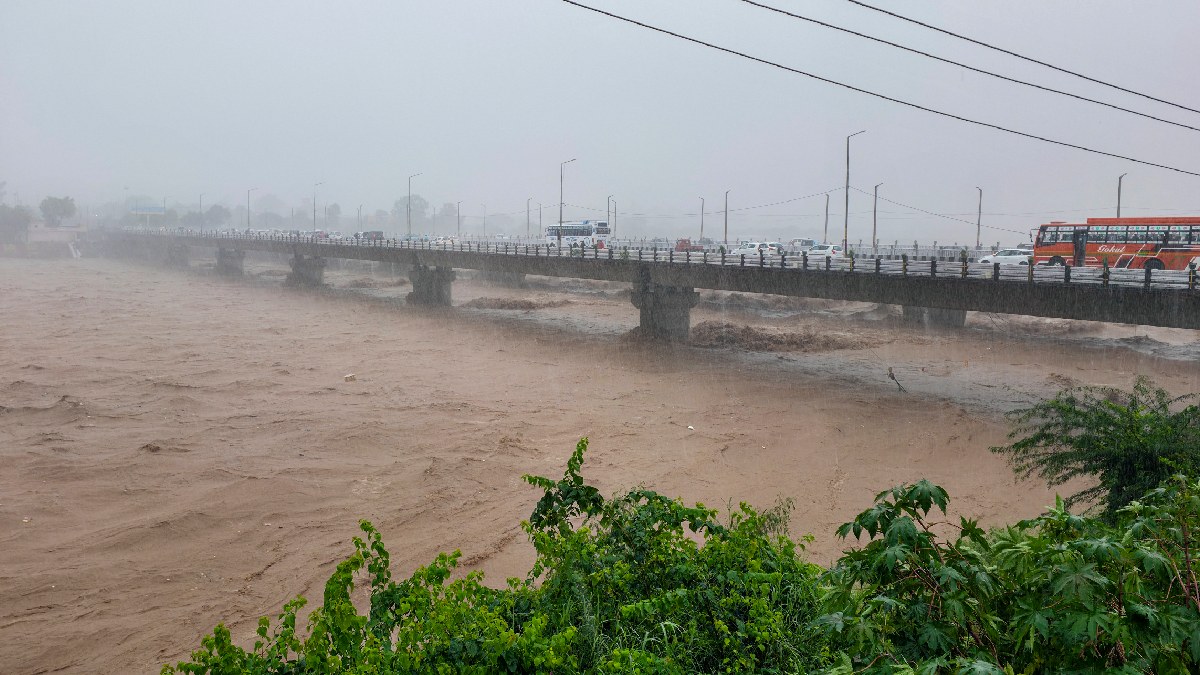
The Jammu region’s critical rail network has been brought to a standstill, underscoring the severe logistical and economic risks posed by unprecedented rainfall. The cancellation of eighteen trains servicing key hubs like Katra, Udhampur, and Jammu railway stations has left thousands of passengers stranded and has sent a ripple through the regional economy. This widespread disruption is not merely a consequence of the weather but a stark indicator of the urgent need for a more resilient, climate-adaptive urban and regional infrastructure framework. The recent deluge, a culmination of intense, concentrated monsoon showers, has overwhelmed existing systems, leading to a cascade of failures from transportation to communication.
The financial fallout from these climate-induced disruptions is significant. Beyond the immediate inconvenience to pilgrims and commuters, the cancellations have stalled the movement of essential goods and services, affecting supply chains and trade. The Mata Vaishno Devi shrine, a cornerstone of the regional economy, has suspended its pilgrimage, directly impacting the livelihoods of countless local businesses dependent on the influx of devotees. Experts note that such events, once considered anomalies, are now becoming more frequent, demanding a paradigm shift in how urban centres and their surrounding infrastructure are planned and managed. The economic vulnerability of a region heavily reliant on a single mode of transport and pilgrimage tourism is now on full display.
This latest episode serves as a powerful case study in the intersection of climate change and urban planning. With the Himalayan ecosystem experiencing warming at a rate higher than the global average, the frequency of extreme weather events like cloudbursts and flash floods is on the rise. The resulting landslides and soil erosion are a direct threat to the region’s physical infrastructure, from railway lines to highways and bridges. A sustainable future for the region requires a strategic pivot away from traditional, carbon-intensive development models towards an eco-friendly and equitable approach. This includes a robust capital outlay in climate-proof infrastructure, such as reinforced slopes, improved drainage systems, and a diversified transportation matrix that can absorb such shocks.
The focus must now shift to proactive, long-term solutions that promote both environmental and societal resilience. This involves integrating ecological considerations into every stage of infrastructure development to minimise ecological footprints and ensure that new projects do not exacerbate existing vulnerabilities. Furthermore, a gender-neutral and equitable approach is essential in disaster response and urban planning. It ensures that relief efforts and future development projects address the unique needs of all community members, particularly the most vulnerable, who are often disproportionately affected by climate-related disasters. The current crisis is a powerful call to action for policymakers and stakeholders to forge a path toward a more sustainable and secure future, where cities and their lifelines are built to withstand the realities of a changing climate.
Also Read :Mumbai Secures 39 Driverless Trains for Metro Line 4
