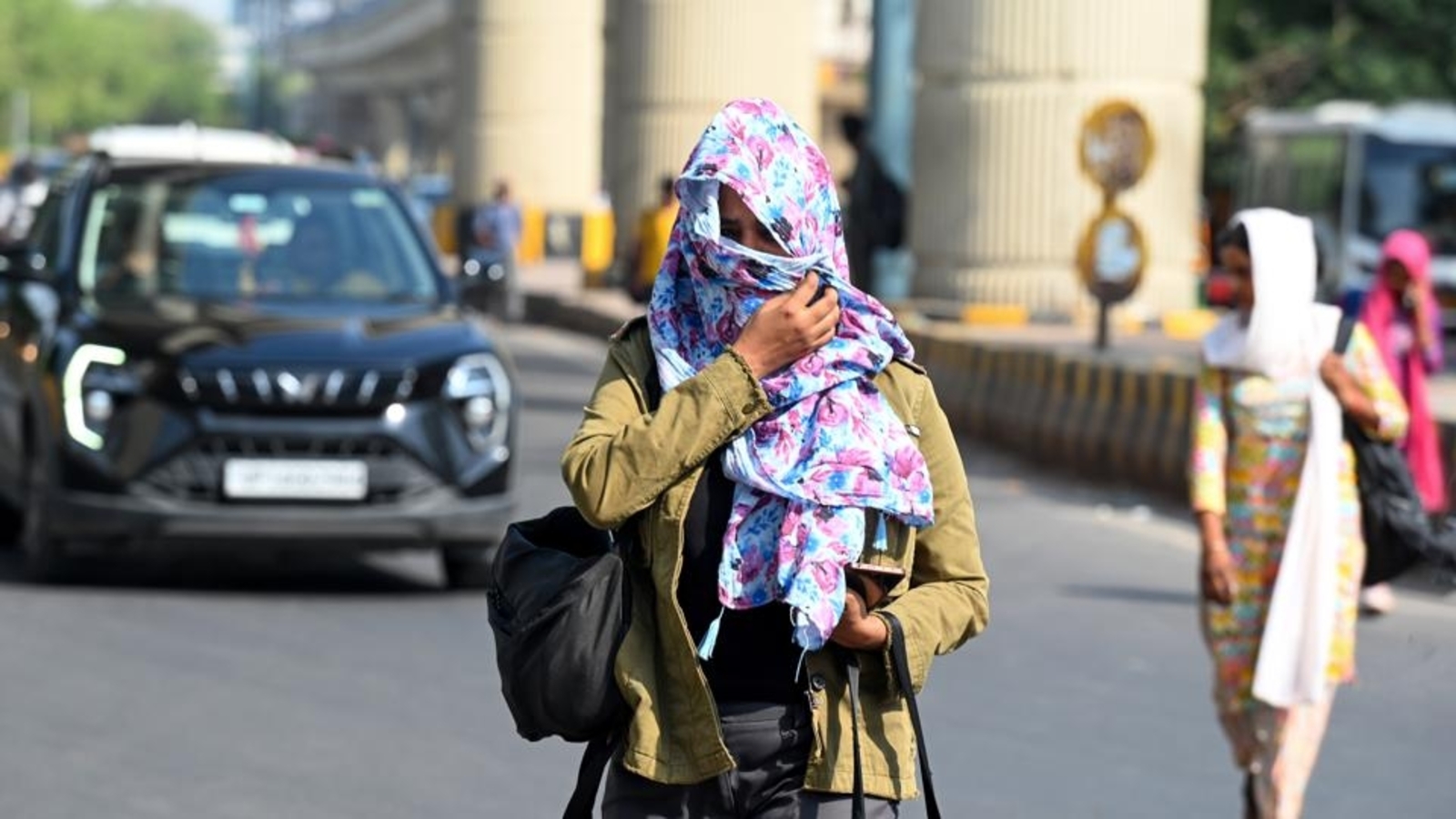
Heatwaves are no longer just a physical threat—they may also be affecting our mental well-being. A new study has revealed a direct link between extreme heat exposure and increased risks of depression and anxiety. Published in the Journal of Affective Disorders, the research shows that adolescents, particularly in rural areas, are more vulnerable to mental health issues during periods of sustained high temperatures caused by climate change.
The study analysed responses from 19,852 adolescents in China, aged 10 to 18 years, to assess the impact of heatwaves on mental health. Researchers collected data across diverse geographical, school-type, and urban-rural settings, ensuring gender parity in the sample. This large-scale study aimed to fill the research gap on how climate change, specifically extreme heat events, might affect the psychological state of adolescents—an age group particularly vulnerable to environmental stressors.
The results showed a clear correlation between heatwave exposure and mental health disorders. For every unit increase in heatwave intensity, the risk of depression rose by 13%, while the odds of experiencing anxiety increased by 12%. Notably, the co-occurrence of both conditions also spiked, indicating that extreme heat can simultaneously heighten multiple forms of psychological distress in adolescents. These findings emphasise the deeper mental toll of rising global temperatures.
Adolescents in rural regions were found to be disproportionately affected, potentially due to lower access to mental health support, infrastructure limitations, and fewer coping resources during climate extremes. The study suggests that environmental inequality—where some populations are more exposed and less equipped to handle climate stress—may exacerbate mental health disparities. These insights underscore the need for targeted policies that address both climate resilience and mental health access in under-resourced areas.
Study author Professor Yizhen Yu from Tongji Medical College highlighted that while physical consequences of heat are well-documented, the mental health impacts remain understudied, especially among adolescents. As climate change intensifies, the frequency of heatwaves is expected to rise, placing more young people at risk. The study offers crucial evidence that climate policy must also prioritise psychological health, especially among younger populations navigating critical stages of emotional and cognitive development.
The study draws attention to the psychological cost of climate change, particularly among adolescents. As heatwaves grow more intense and frequent, their mental health implications can no longer be overlooked. Governments, educators, and health professionals must collaborate to build climate-resilient mental health strategies, especially in vulnerable communities. By acknowledging the emotional dimensions of environmental change, we can protect both the physical and psychological future of younger generations in a warming world.