


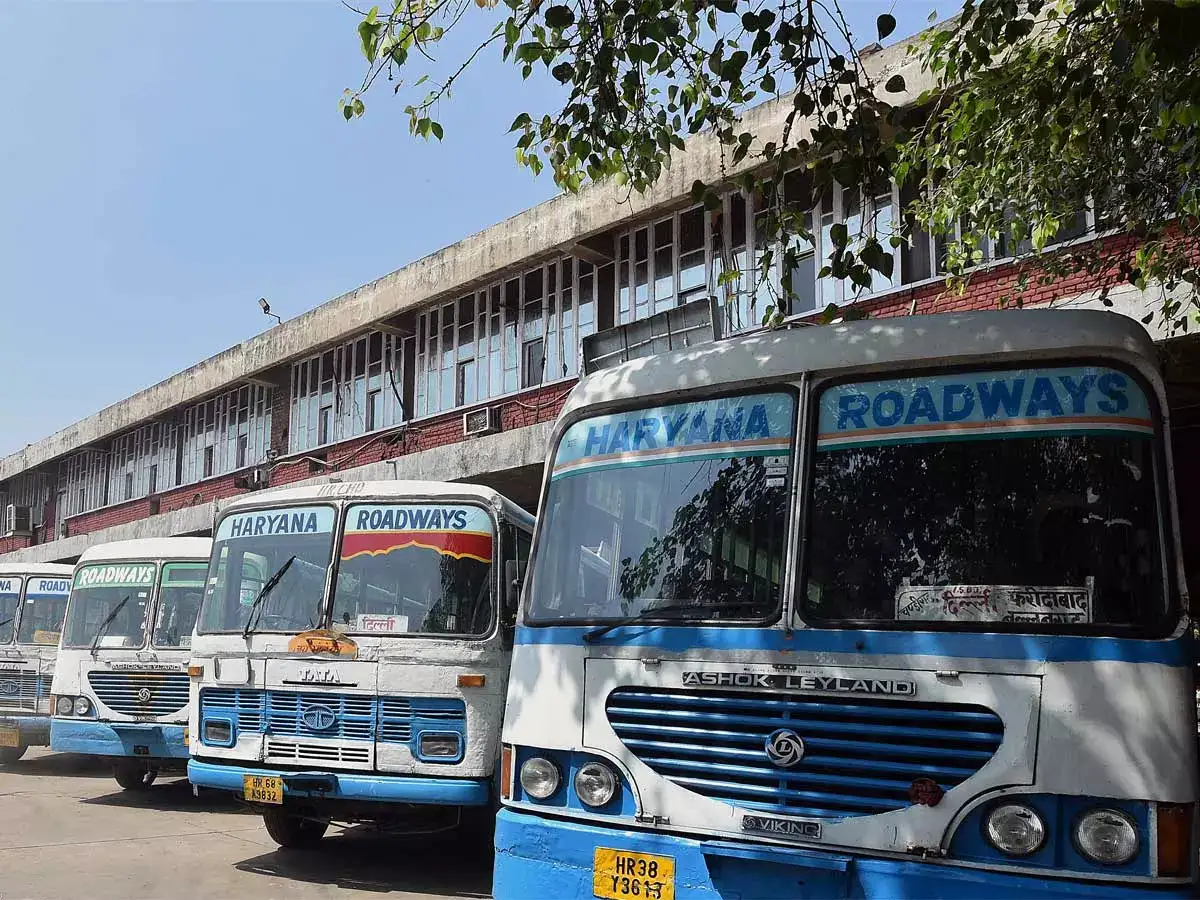
At a recent meeting convened by the state transport department, presided over by the Chief Minister, officials committed to fit vehicle location tracking devices (VLTDs) in every bus, taxi, and public service vehicle. This rollout aligns with the Ministry of Road Transport and Highways’ Nirbhaya scheme and will be directly integrated with the state’s emergency response system, dial 112, according to an official statement.
The initiative, undertaken to reinforce the security of women and children, mandates department- and district-level implementation targets to ensure timely completion. Officials will monitor progress closely, tying installations to performance metrics and accountability measures. The VLTD infrastructure offers real-time location tracking and alert features, allowing swift emergency responses. Experts confirm that such integration with the 112 system will not only reassure commuters but also enhance law enforcement efficiency in emergencies.
Safety was further emphasised when reviewing school transportation. Officials directed routine safety audits and mandated fitness certification for school buses, warning that non-compliance could incur challans or result in vehicle seizure. Monitoring of driver licensure and medical fitness certificates will be introduced for state-run drivers to ensure standards are met. Transport analysts greeted the measures as a modernisation step toward gender-neutral safe mobility. One expert commented that GPS-tracked vehicles create a deterrent against misbehaviour and aid faster police intervention—critical in establishing trust in public transport, particularly among women and children.
However, safety is only part of the vision. The Chief Minister also underscored the need to address revenue shortfalls in the transport sector. To this end, the meeting reviewed revenue diversification strategies such as bus advertising and commercial tie-ups. The aim is to transform buses into revenue-generating assets without burdening commuters. The meeting also reviewed the city bus fleet, urging an increase in electric buses and installation of charging infrastructure. Presently, procurement of 375 electric buses under the Union government’s City Bus Service scheme is underway, and an additional 250 buses under the PM e-Bus Sewa scheme are being fast-tracked.
According to transport officials, the rapid expansion of electric fleets aims to reduce carbon emissions and align Haryana’s urban centres with zero‑net‑carbon goals. Establishing charging stations will support route efficiency, minimize range anxiety, and allow for equitable usage patterns. Implementation will follow a phased district-wise schedule. Officials have been asked to set benchmarks, track amendments, and report progress weekly. By integrating GPS with an advanced control room linked to 112, travel patterns can be analysed. Insights can optimise scheduling, reduce wait times, and encourage ridership growth.
Environmental advocates welcomed the dual safety and green mobility focus. Sustainable City Forum highlighted that while GPS devices enhance commuter safety, the addition of electric buses reflects a commitment to equitable and environmentally conscious transport planning. Some intradepartmental challenges remain. Deployment costs, data privacy concerns, and logistical coordination with telecom providers require attention. Officials pledge to ensure GDPR-compliant data usage norms and seek vendor partnerships that offer secure device-to-system transmission.
As the programme unfolds, the official overseeing state transport emphasised citizen feedback through an online portal and SMS system. Commuters are invited to report irregularities, misuse, or system failures via the platform, helping authorities ensure compliance. From an operational viewpoint, integrating GPS tracking and emergency linkage with EV rollout offers a multi-layered upgrade. It aligns well with central government vision of safe, inclusive, and green urban mobility. Scheduled criminal and accident investigations will inform iterative safety improvements. Following reports of high road fatalities, the Chief Minister directed thorough inquiries into each incident, with mandatory corrective action to be reported publicly. This signals systematic governance and safety-first governance culture.
A transport sector official observed that revenue gains from advertising and commercial services, when paired with fleet digitisation, would reduce dependency on passenger fares. This could allow more equitable fare structures, benefiting students, women, and lower-income commuters. City-based transport planners advise that statewide success hinges on uniform deployment, strong data systems, and public trust. Without them, GPS units risk becoming superficial safety branding rather than functional protection. For the state’s urban commuters, once fully implemented, these changes promise safer, responsive, and sustainable travel. Transparent progress reporting, integrated emergency response, and environmental architecture—through electric vehicles—suggest Haryana is positioning itself as a model for gender-neutral, equitable, and green public transport.
In sum, Haryana’s initiative to install GPS units in buses and tie them to emergency services, alongside expanding electric vehicle fleets, reflects an ambitious but necessary step. It seeks to balance commuter safety, financial viability, and environmental responsibility. Whether it delivers on its promise will depend on execution, oversight, and public engagement—foundations critical to any sustainable urban transport revolution.
Also Read : Thane Ghodbunder Road Shut at Night for Metro Project
