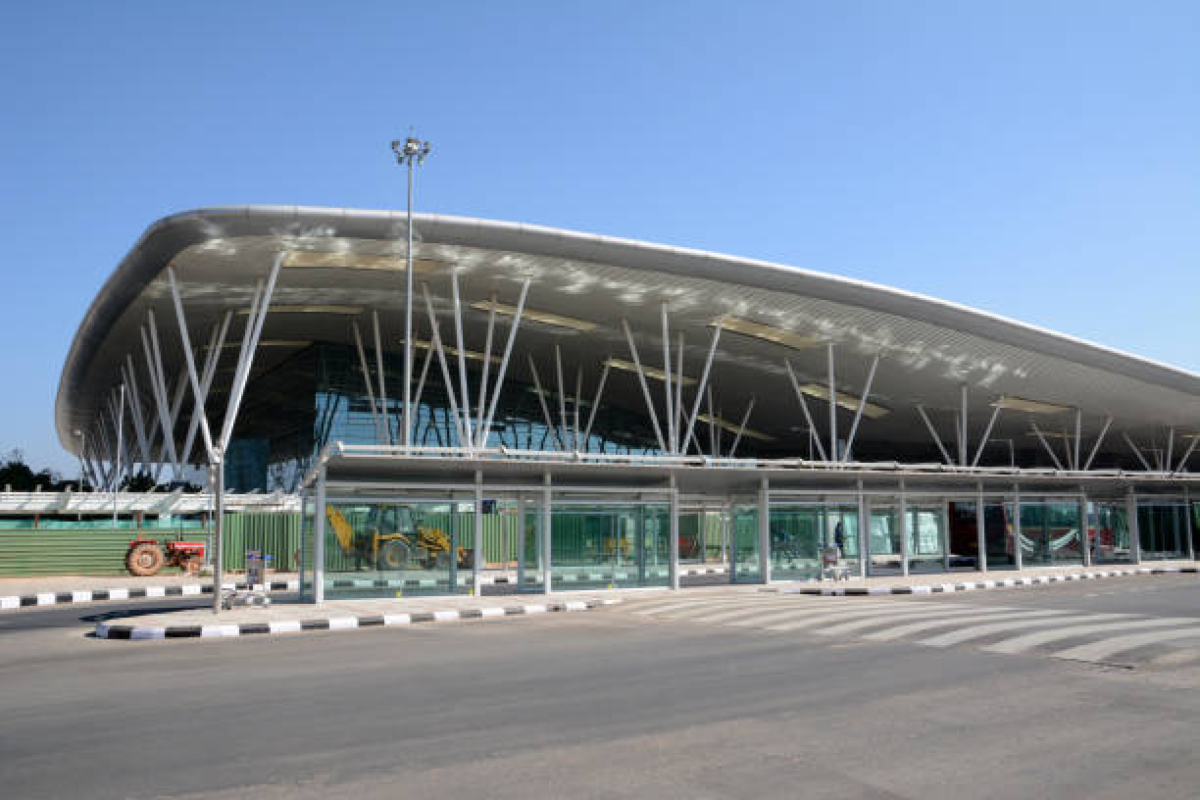
Punjab Halwara Civil Terminal Nears Launch with PM Modi Set for Virtual Inauguration on July 27
After years of anticipation and missed deadlines, the civil terminal at the Halwara air base in Ludhiana is finally poised for its virtual inauguration on July 27. This long-awaited development is set to significantly enhance air connectivity for Ludhiana and the surrounding regions, a crucial step for boosting economic activity and supporting the sustainable growth of one of Punjab’s major industrial hubs. The terminal’s readiness marks a pivotal moment, though the commencement of flight operations awaits final permissions.
The establishment of this civil terminal, situated at the Indian Air Force (IAF) base in the Raikot subdivision, has been a persistent demand from Ludhiana’s residents, particularly its vibrant business community. Improved air access is critical for industrialists and traders who currently face the inconvenience of travelling to distant airports in Delhi, Jalandhar, Amritsar, or Chandigarh to access wider flight networks. This new facility promises to reduce travel burdens, enhance efficiency for businesses, and contribute to a more interconnected and productive regional economy.
Despite the excitement surrounding the inauguration, a definitive date for the commencement of flight operations remains unannounced, with necessary permissions still pending. While a major national carrier is reportedly considering a flight route to Delhi from Halwara, no airline has officially confirmed its schedule. This procedural delay, typical in large infrastructure projects, underscores the complex regulatory landscape that governs aviation in India, necessitating a meticulous approach to safety and operational readiness before commercial services can begin.
The Halwara terminal, built at an estimated cost of ₹54 crore, with the Punjab government initially covering the expenditure, represents a substantial investment in the region’s infrastructure. The project, which commenced civil work in 2020 after land acquisition from 272 farmers in Aitiana village, has navigated various funding and logistical challenges over its seven-year journey. Its completion is a testament to persistent efforts, highlighting the government’s commitment to bolstering regional air infrastructure.
Initially, the terminal is designed to handle one domestic flight at a time, with a capacity for 150 passengers for both arrivals and departures. This initial phase, while a significant upgrade from Ludhiana’s current limited air connectivity via Sahnewal airport, indicates a measured approach to operational scaling. The long-term vision includes potential for expansion, but for now, the focus remains on establishing reliable domestic links. This phased development aligns with the broader goal of creating sustainable urban ecosystems where enhanced connectivity fosters economic prosperity while minimising environmental impact through optimised transport networks.