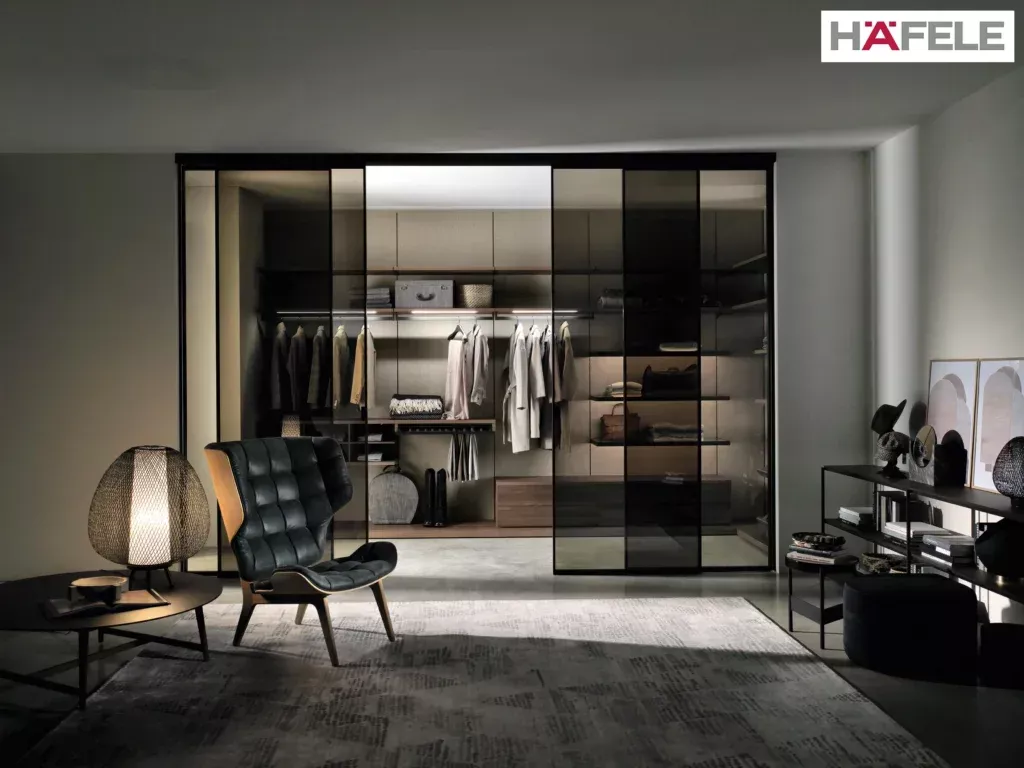
Global home solutions manufacturer Hafele has expanded its interior hardware portfolio in India with the introduction of a new range of aluminium door systems aimed at wardrobes and cabinetry, signalling a broader shift towards durable, low-maintenance materials in urban housing. The launch of the company’s latest aluminium door profiles comes as India’s residential market witnesses steady demand for modular interiors across metros and Tier II cities. For developers and homeowners alike, material longevity and lifecycle performance are increasingly influencing procurement decisions, particularly in high-density urban apartments where humidity, temperature variation and frequent usage can accelerate wear and tear.
Aluminium door profiles have gained traction as an alternative to conventional wooden framing systems. Industry experts note that aluminium’s resistance to corrosion, warping and seasonal expansion makes it suitable for India’s varied climatic zones. In coastal cities and regions with high moisture levels, such characteristics contribute to reduced replacement cycles and lower long-term resource consumption a factor aligned with sustainable building goals. Hafele aluminium door profiles are being positioned for application across wooden, glass and mirrored shutters, allowing flexibility in modular wardrobe and cabinet design. According to market observers, the ability to combine metal framing with diverse surface materials responds to the growing preference for hybrid interiors that balance minimal aesthetics with functional durability.
The new range has been introduced in two distinct formats. One series is tailored for wooden shutters with slim metallic framing in neutral finishes, while another is engineered to support larger glass panels with textured detailing. Designers tracking the premium housing segment suggest that metal-framed glass shutters are increasingly visible in urban apartments, co-living spaces and compact luxury residences where visual lightness is prioritised. Beyond design considerations, material selection in interior fit-outs has wider implications for sustainable construction. Aluminium, when sourced responsibly and recycled efficiently, offers circular economy advantages compared to certain composite materials. Urban planners emphasise that reducing material waste in interior refurbishments can significantly lower embodied carbon across a building’s lifecycle.
The growth of modular interiors has also created economic opportunities for MSME fabricators, installers and supply-chain partners. Analysts observe that standardised aluminium door profiles streamline installation timelines and reduce skilled labour dependency, potentially improving productivity in fast-moving residential projects. However, experts caution that sustainability claims in the interiors sector must be supported by transparent sourcing practices and energy-efficient manufacturing. As green building certifications become more common in residential developments, component-level performance will increasingly be scrutinised alongside structural design.
For India’s rapidly urbanising cities, the evolution of interior hardware may appear incremental, yet it reflects a deeper transformation in how homes are built and maintained. As developers pursue resilient, climate-responsive housing, the adoption of durable systems such as Hafele aluminium door profiles signals a move towards materials that support longer asset life and reduced maintenance burdens. The coming years are likely to see intensified innovation in modular components, with performance, recyclability and user comfort shaping the next phase of interior infrastructure.
Hafele Boosts Interior Hardware With Aluminium Innovation