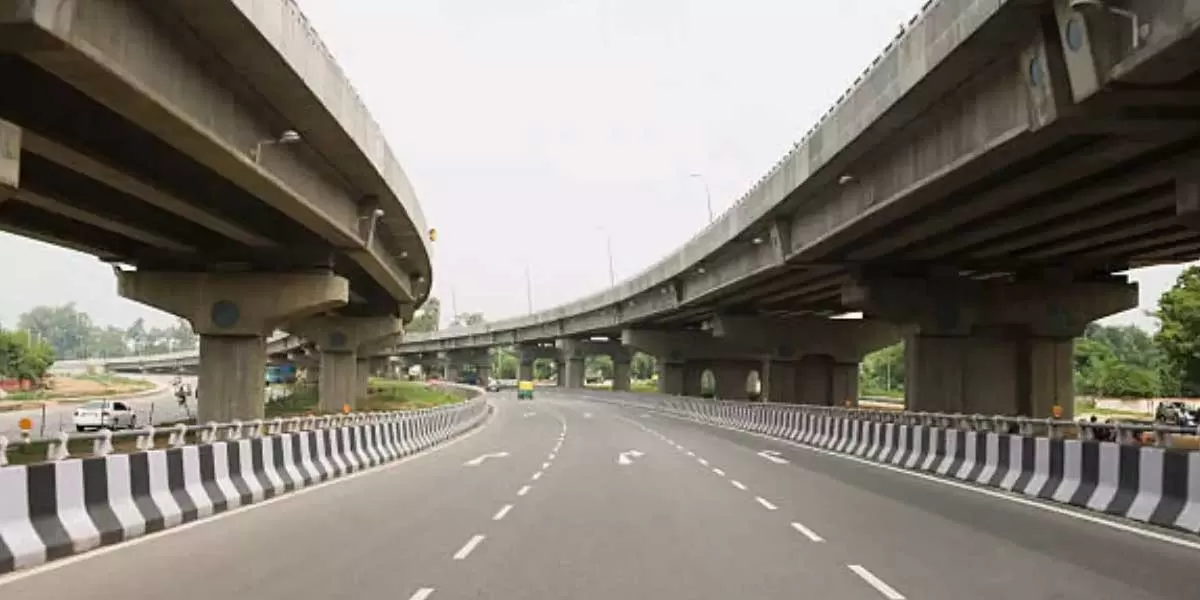
Guwahati’s 20th Flyover Boosts Mobility, Eases Traffic on Shillong Road
Guwahati is set to inaugurate its 20th flyover this Sunday, aiming to decongest one of its busiest arterial stretches—the GS Road. Stretching 650 metres from Downtown Hospital to Sixmile, the new flyover is part of a larger urban mobility push. Built in just nine months at a cost exceeding ₹85 crore, this flyover joins a growing network of elevated corridors designed to keep pace with the city’s expanding population and traffic demands.
The newly constructed flyover at Rukminigaon is a crucial addition to Guwahati’s urban infrastructure, providing a direct elevated link over the congested Guwahati-Shillong (GS) Road. The stretch has long faced bottlenecks due to increasing vehicular load, and this flyover is expected to provide immediate relief, especially during peak hours. With its inauguration, the city now boasts 20 operational flyovers—a significant leap in its transportation planning. According to engineers from the Public Works Department (PWD), the flyover was completed ahead of schedule, in just nine months, reflecting improvements in project execution and resource coordination. The flyover’s design also integrates urban aesthetics, with final beautification work including paint finishes and ornamental fixtures now underway. Officials indicated that all structural inspections have been cleared, making the flyover ready for safe public use. With infrastructure pressure mounting due to rapid urbanisation, such projects are critical to maintaining ease of movement and reducing emissions from idling traffic.
Authorities have also confirmed that the new flyover will be named after Bhagadatta, a legendary figure from ancient Assamese mythology, as part of a cultural tribute. This symbolic naming serves dual purposes—easing traffic and anchoring urban development in local heritage. Meanwhile, the city continues to build momentum with two additional flyover projects currently under construction—at Ambari-Noonmati and Kalapahar. Once complete, these will further reinforce connectivity across eastern and western transit zones of Guwahati. Experts believe that while flyovers offer temporary relief from congestion, their long-term utility hinges on parallel investments in public transport and pedestrian infrastructure. Urban planners have flagged the need for holistic traffic solutions to prevent downstream congestion that often follows isolated expansions. Nonetheless, the opening of the Rukminigaon flyover stands out as a positive development. It demonstrates how compact timelines, efficient resource use, and public demand can align in delivering timely urban infrastructure amidst the pressures of population growth.
As Guwahati’s 20th flyover prepares to open, the city takes another step towards improving commuter experience and reducing gridlock on major arterial roads. While the flyover offers immediate advantages for east-west traffic flow, experts urge long-term strategies integrating transit-oriented development and better last-mile connectivity. The success of this project, completed in under a year, sets a promising precedent for timely infrastructure delivery. However, sustained planning, data-backed traffic management, and citizen participation will be key to ensuring these flyovers contribute meaningfully to a smarter, more liveable Guwahati in the years ahead.