Air India Express Enhances Dehradun Connectivity with New Routes
Guwahati is on the cusp of a significant infrastructural transformation as work on the second Saraighat rail-cum-road bridge over the Brahmaputra River is slated to commence soon, with tenders for the ambitious project expected to open next month. Sanctioned as part of the vital Agthori–Kamakhya railway line doubling under Northeast Frontier Railway (NFR), this ₹1,650.37 crore project is set to enhance line capacity and facilitate smoother movement of both freight and passengers. The bridge will play a pivotal role in fostering industrial growth, reducing carbon emissions, and building a more connected and equitable urban landscape in the region.
This strategic infrastructure development, targeted for completion by December 2029, has seen significant preparatory progress. Geotechnical investigations, essential for the design of its robust substructure and superstructure, have been successfully concluded. An Engineering, Procurement, and Construction (EPC) tender for the comprehensive project – encompassing the bridge’s construction, crucial approach roads, rail viaducts, earthwork, and ancillary works – has already been floated, with finalisation anticipated shortly. Construction will commence immediately following the work allotment, signalling a rapid progression for this crucial regional link.
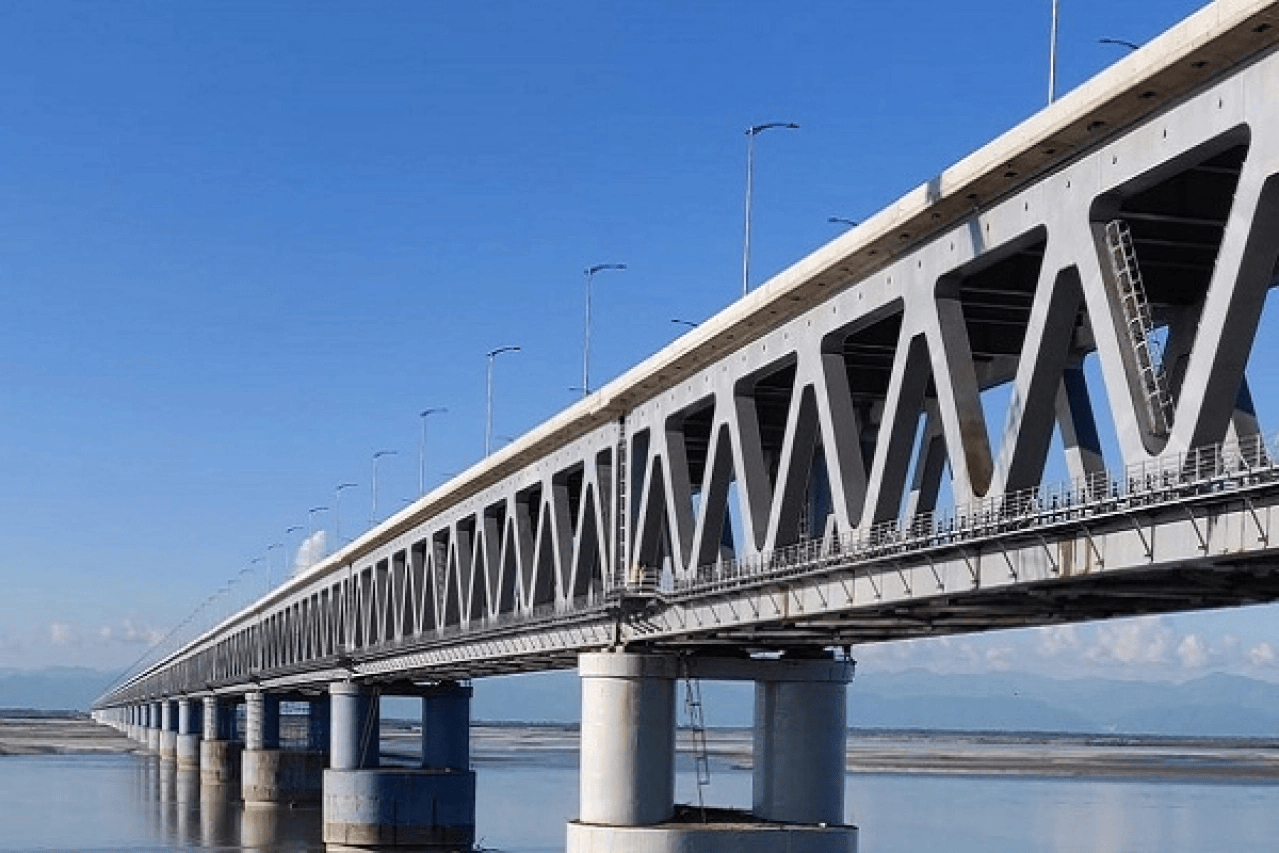
The project encompasses a 7.062-kilometre stretch connecting Agthori on the Brahmaputra’s northern bank to Kamakhya on its southern bank. A highlight of this section is the 1.3-kilometre long steel composite girder bridge, a marvel of modern engineering designed to withstand the formidable forces of the mighty Brahmaputra. The multi-modal design of the bridge is particularly noteworthy, featuring a double-line railway track on its lower deck and a three-lane roadway complemented by dedicated footpaths on the upper deck. This dual functionality ensures enhanced capacity for both goods and passenger movement, providing a robust solution for growing transport demands.
The north-end approach, extending 2.694 kilometres, will seamlessly integrate with Agthori station, while the 3.07-kilometre south-end approach will connect to Kamakhya station. Such comprehensive integration ensures that the new bridge becomes a central artery for the region’s transportation network. This meticulous planning reflects a commitment to optimising logistical efficiency, directly supporting industrial growth by easing the movement of goods and raw materials, thereby reducing overall logistics costs and improving supply chain predictability.
This project is a direct outcome of the Union Cabinet’s approval last year for six multi-tracking initiatives across Indian Railways, all designed to bolster operational efficiency, mitigate logistics expenses, reduce reliance on oil imports, and crucially, lower carbon dioxide emissions. By enhancing the existing line capacity in this section, the new Saraighat bridge is expected to streamline train operations, significantly improve punctuality, and reduce wagon turnaround times. This shift towards more efficient rail transport plays a vital role in achieving zero-net carbon goals for cities by diverting traffic from more polluting road-based alternatives.
Beyond its immediate impact on connectivity and commerce, the project holds substantial socio-economic benefits. It is anticipated to generate considerable employment opportunities for both skilled and unskilled workers in the surrounding areas, contributing directly to regional economic upliftment and equitable development. The presence of footpaths on the upper deck further reinforces the bridge’s commitment to gender-neutral urban planning, ensuring safe and accessible passage for all pedestrians, promoting active mobility, and enhancing the overall quality of life for communities on both banks of the Brahmaputra.