


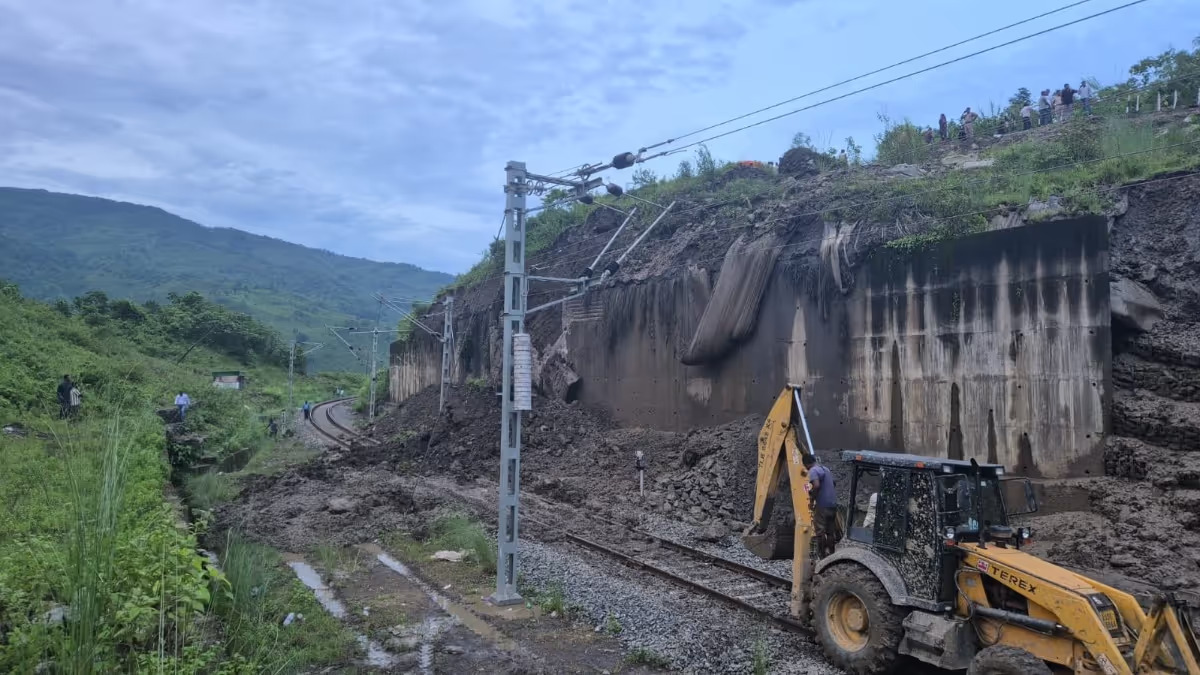
Regular train services connecting South Assam, Tripura, Manipur, and Mizoram with the rest of India via Guwahati have fully resumed, following a week-long disruption caused by severe landslides. This swift restoration of vital rail links underscores the Northeast Frontier Railway’s (NFR) commitment to maintaining connectivity amidst challenging monsoon conditions. The incident highlights the imperative for resilient infrastructure and proactive disaster management to ensure sustainable and equitable access across the region.
The Lumding-Badarpur Hill Section of the Lumding division, a critical artery for the Northeast, had been severely impacted since June 23. Continuous heavy rainfall triggered multiple earth slips, badly affecting the railway track in the mountainous areas of Assam’s Dima Hasao district. This disruption led to the cancellation, diversion, and short-termination of numerous train services, causing significant inconvenience to both passengers and freight movement. The incident underscored the vulnerability of essential infrastructure to extreme weather events, a growing concern in the context of climate change.
In response to the crisis, the Northeast Frontier Railway deployed maximum manpower and machinery, working tirelessly day and night to clear debris and restore the affected railway tracks. NFR General Manager Chetan Kumar Shrivastava personally visited the site, overseeing restoration efforts and motivating field teams. This hands-on leadership and dedicated effort by engineers and workers ensured the safe and smooth resumption of train services, with both goods and passenger trains operating normally by Monday. The partial restoration of movement over the affected portion in Lumpur-New Haflong on Sunday further expedited the return to normalcy.
The resumption of services is a significant relief for the region, which heavily relies on rail connectivity for economic activity and essential supplies. The disruption had a cascading effect on trade, tourism, and daily commutes, underscoring the railway’s role as a lifeline for the northeastern states. Maintaining robust rail links is crucial for fostering equitable development, ensuring that communities, including those in remote areas, have reliable access to markets, healthcare, and educational opportunities. This resilience in infrastructure is vital for building sustainable and inclusive cities and regions.
Looking ahead, NFR officials have confirmed that engineers and personnel will closely monitor the situation across the entire mountainous areas of the Lumding division, particularly in view of the ongoing monsoon season. This proactive monitoring and preparedness are essential for mitigating future disruptions and ensuring the long-term resilience of the railway network. Investing in climate-resilient infrastructure, including advanced early warning systems and robust landslide prevention measures, is paramount for safeguarding critical transport corridors and ensuring uninterrupted connectivity in environmentally sensitive regions.
The incident serves as a stark reminder of the challenges posed by the monsoon in India’s geographically diverse regions and highlights the dedication of railway personnel in overcoming them. The NFR’s swift and effective response in restoring services, coupled with its commitment to ongoing monitoring, demonstrates a proactive approach to disaster management. This resilience is fundamental to supporting the socio-economic development of the Northeast, ensuring that its communities remain connected and can thrive even in the face of natural adversities, contributing to the broader goal of a zero net carbon and eco-friendly India.
Also Read: Mumbai Ahmedabad Bullet Project to Include 657 km Track Through Rajasthan by 2032
