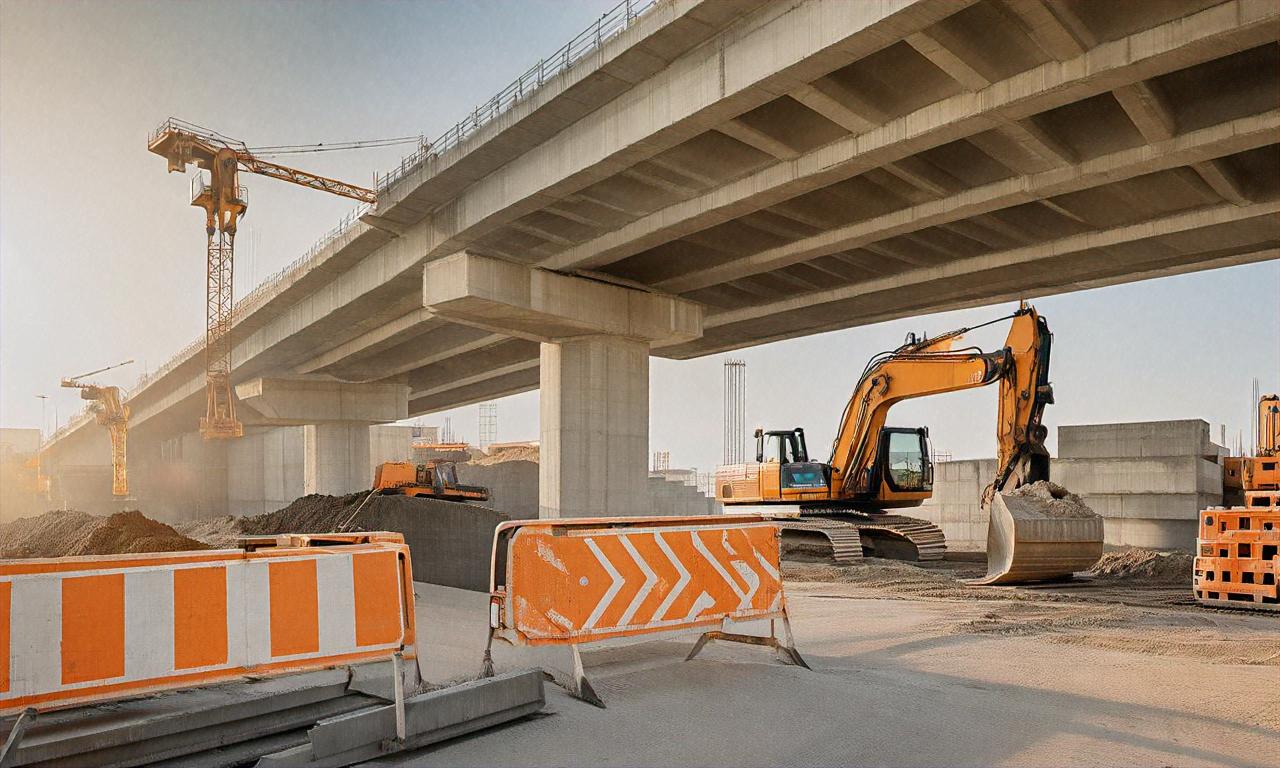
Guwahati-based Niraj Cement Structurals has secured a landmark Rs 81.52 crore contract for a major railway infrastructure project under the Northeast Frontier Railway. The 18-month assignment involves constructing PSC slab underpasses, bridges, and allied structures as part of a rail-doubling initiative near the ecologically sensitive Deepor Beel. The project not only strengthens Niraj Cement’s position in large-scale infrastructure development but also supports enhanced regional connectivity and improved mobility across Assam.
Officials involved in the tendering highlighted that the rail-doubling programme aims to relieve congestion on a key corridor, enabling smoother movement of both passengers and freight. By increasing line capacity, the initiative is expected to reduce delays, improve fuel efficiency, and contribute to more sustainable transport operations in the region. Industry observers also noted that such projects have broader economic implications, potentially attracting investment and supporting growth in peri-urban areas around Guwahati.
Deepor Beel, a recognised wetland, requires careful environmental management during construction. Experts emphasised that the project must adhere to strict ecological safeguards to protect local biodiversity, including migratory birds and aquatic species. Railway authorities have reportedly implemented monitoring and compliance frameworks to ensure construction activities minimise ecological disruption, reflecting the growing need to balance infrastructure development with environmental stewardship.
For Niraj Cement, this contract represents a significant addition to its domestic portfolio of civil infrastructure projects, which include bridges, underpasses, and public utility structures. Analysts tracking mid-tier construction firms suggest that participation in government-led rail modernisation projects offers a stable avenue for growth, particularly in regions experiencing rising demand for urban and intercity connectivity.
Despite a short-term technical sell sentiment in the market, Niraj Cement’s long-term prospects appear bolstered by a steady pipeline of government-backed projects. With a market capitalisation of Rs 2.21 billion and an average trading volume of 19,120, the company is strategically positioned to leverage infrastructure expansions across India’s northeast.
Urban planners point out that enhanced rail networks contribute to low-carbon development pathways by reducing dependency on road freight and private vehicles. In Assam, these improvements could facilitate inclusive mobility, improve logistics efficiency, and ease transport pressures on surrounding towns. Projects of this scale also generate local employment opportunities, reinforcing the social and economic value of sustainable infrastructure investment.
As work progresses, the Guwahati rail-doubling project demonstrates how industrial expertise, civic planning, and environmental care can converge to deliver resilient and inclusive urban infrastructure, providing a model for similar developments across ecologically sensitive corridors in India.