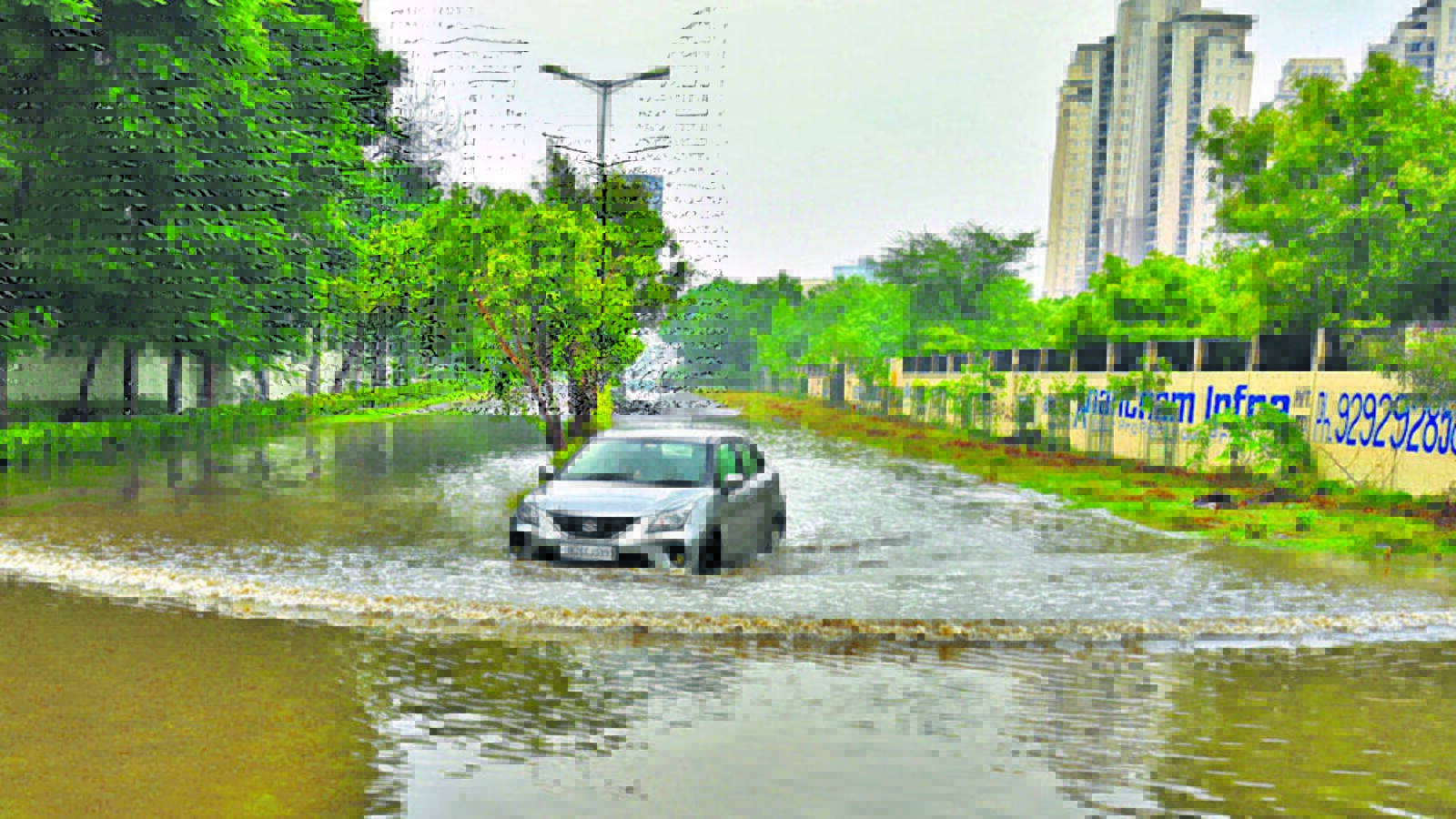
Gurugram Waterlogging Action Plan Accelerates Sewer Upgrades
Civic authorities in Gurugram have initiated an accelerated pre-monsoon strategy to address chronic flooding risks, with a renewed focus on high-risk zones where incomplete sewerage and drainage works continue to threaten urban mobility and public safety. A recent review of the city’s preparedness flagged dozens of vulnerable locations, with a subset identified as requiring immediate intervention. These areas—spread across older settlements and rapidly urbanizing sectors—have historically experienced severe disruptions during heavy rainfall, exposing long-standing gaps in infrastructure planning and maintenance.
Officials overseeing sewerage and monsoon response systems have been directed to expedite pending works, including pipeline installation, drain upgrades, and desilting operations. The emphasis on a coordinated Gurugram waterlogging action plan reflects growing pressure on civic bodies to shift from reactive flood management to preventive, data-driven planning. Urban planners point out that Gurugram’s waterlogging challenges stem from a mix of ageing drainage systems, rapid land-use changes, and fragmented institutional responsibilities. In several locations, natural drainage channels have been encroached upon or inadequately integrated into urban layouts, leading to water accumulation during peak rainfall. To mitigate these risks, authorities are deploying inspection technologies such as closed-circuit camera surveys to assess the condition of underground sewer lines. Mechanized cleaning equipment is also being mobilized to improve drainage capacity ahead of the monsoon. These interventions form a critical component of the Gurugram waterlogging action plan, aimed at reducing service disruptions and safeguarding economic activity. Coordination between multiple agencies has emerged as a key focus area. Infrastructure overlaps—particularly along major road corridors and highway stretches—have historically delayed drainage improvements.
Officials have now been tasked with aligning responsibilities across municipal bodies, regional development authorities, and national highway agencies to ensure continuity in stormwater flow systems. Beyond infrastructure upgrades, safety concerns are also being addressed. Electrical installations in flood-prone zones are being reviewed, with plans to elevate critical components to minimize risks during waterlogging events. This reflects a broader recognition that urban flooding is not only an inconvenience but also a public safety issue, particularly in densely populated neighbourhoods. From a broader urban development perspective, experts argue that Gurugram’s approach highlights the need for climate-resilient infrastructure planning. As extreme weather events become more frequent, cities must integrate drainage, land use, and transport systems into a unified framework that anticipates future risks rather than responding to past failures.
The coming monsoon season will serve as a critical test for the city’s preparedness measures. While accelerated timelines and stricter oversight may deliver short-term relief, sustained investment in integrated drainage networks and nature-based solutions will be essential to ensure long-term resilience.