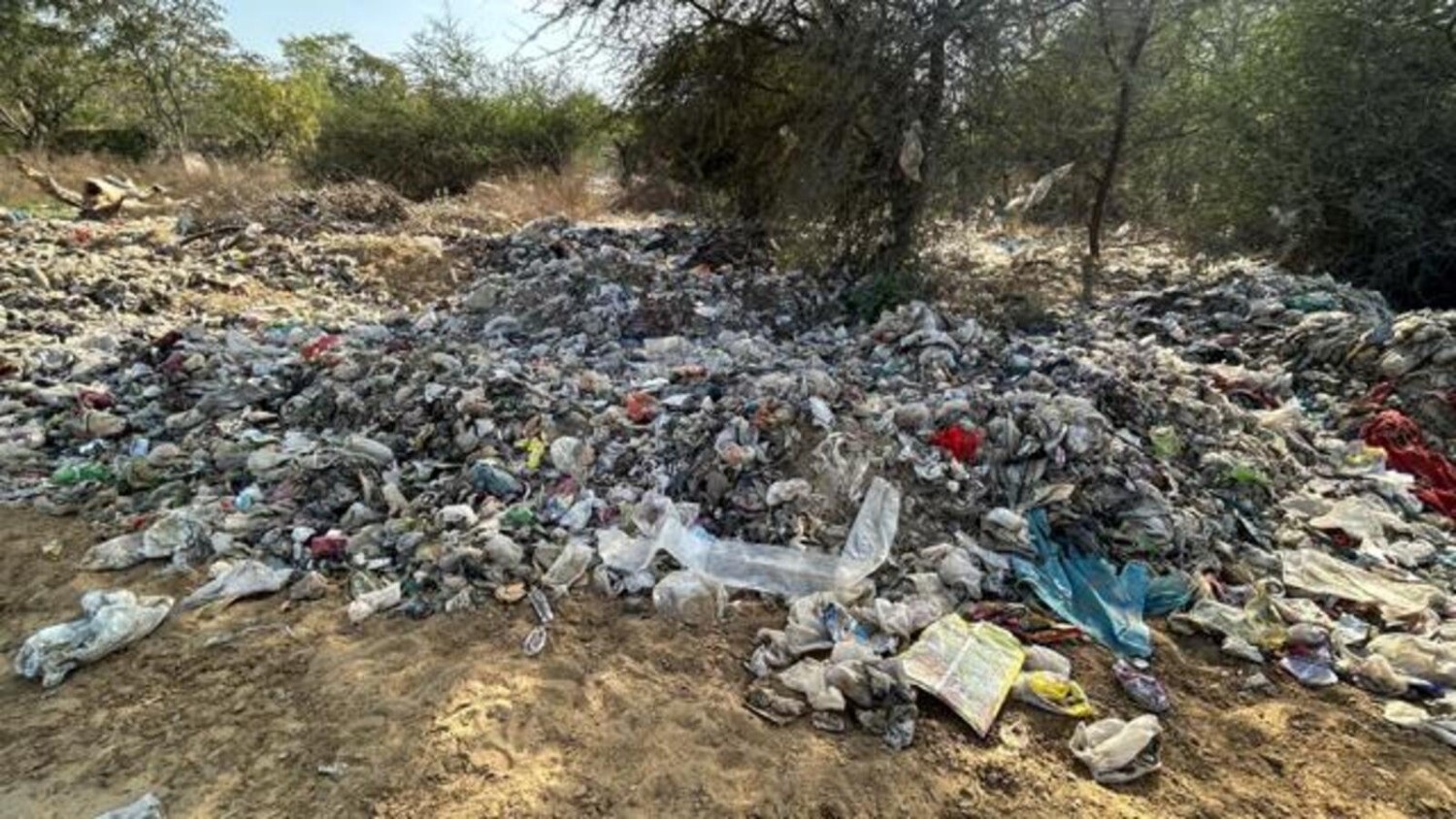
Authorities in Gurugram have warned that Gurugram waste fires are likely to increase sharply during the peak summer months between April and July, prompting emergency preparedness measures across the city’s fire stations and waste management facilities. The alert comes after firefighters responded to a large blaze on a vacant government plot earlier this week, highlighting the seasonal risks associated with unmanaged waste and rising temperatures. Fire department officials say summer conditions create a combination of factors that can easily ignite waste piles, including dry vegetation, heat build-up, discarded cigarette butts and reflective materials that concentrate sunlight. Such fires are particularly common in vacant plots, informal dumping grounds and landfill sites where combustible waste accumulates over time.
Based on previous years’ data, emergency responders expect a substantial rise in fire calls in the coming months. During peak summer periods, the daily number of incidents related to waste fires can rise significantly, placing pressure on urban emergency infrastructure and firefighting capacity. To manage the anticipated surge in Gurugram waste fires, authorities are strengthening deployment across the city’s network of fire stations. Major fire stations will maintain a higher number of tenders and rescue vehicles during the summer months, while additional support will be provided through smaller sub-stations covering peripheral areas. Officials say coordination between fire stations is being enhanced to ensure faster response times during high-risk periods. Plans are also underway to improve water refilling facilities and logistical support so that firefighting operations can continue uninterrupted during multiple simultaneous incidents. Waste fires have become an increasingly visible urban challenge in Gurugram as the city’s rapid expansion generates higher volumes of municipal and construction waste. Fire department records indicate that hundreds of waste-related fires are reported annually, with a significant proportion occurring in industrial areas and zones with large open dumping sites.
Municipal authorities are also exploring preventive strategies aimed at reducing the frequency of Gurugram waste fires. Civic officials recently entered into a partnership with a sustainability research organisation to develop a long-term model focused on eliminating open waste burning. The initiative is expected to produce a structured action plan over the next two years, focusing on improved waste segregation, better collection systems and enhanced monitoring of dumping hotspots. Landfill sites remain a particular concern because accumulated legacy waste can ignite due to internal heat generation, methane build-up and exposure to high temperatures. Municipal teams have therefore strengthened fire safety infrastructure at major dumping sites, installing surveillance cameras, fire suppression equipment and emergency response systems. Urban planners argue that reducing waste fires will require systemic improvements in solid waste management rather than relying solely on firefighting responses. Proper waste segregation, decentralised processing and controlled landfill operations are increasingly seen as essential for preventing environmental hazards linked to open burning.
As temperatures rise over the coming weeks, authorities are urging residents, housing societies and local institutions to remain vigilant and report illegal waste dumping or burning activities. Preventive action, they say, will play a crucial role in reducing the health and environmental risks associated with seasonal urban fires.