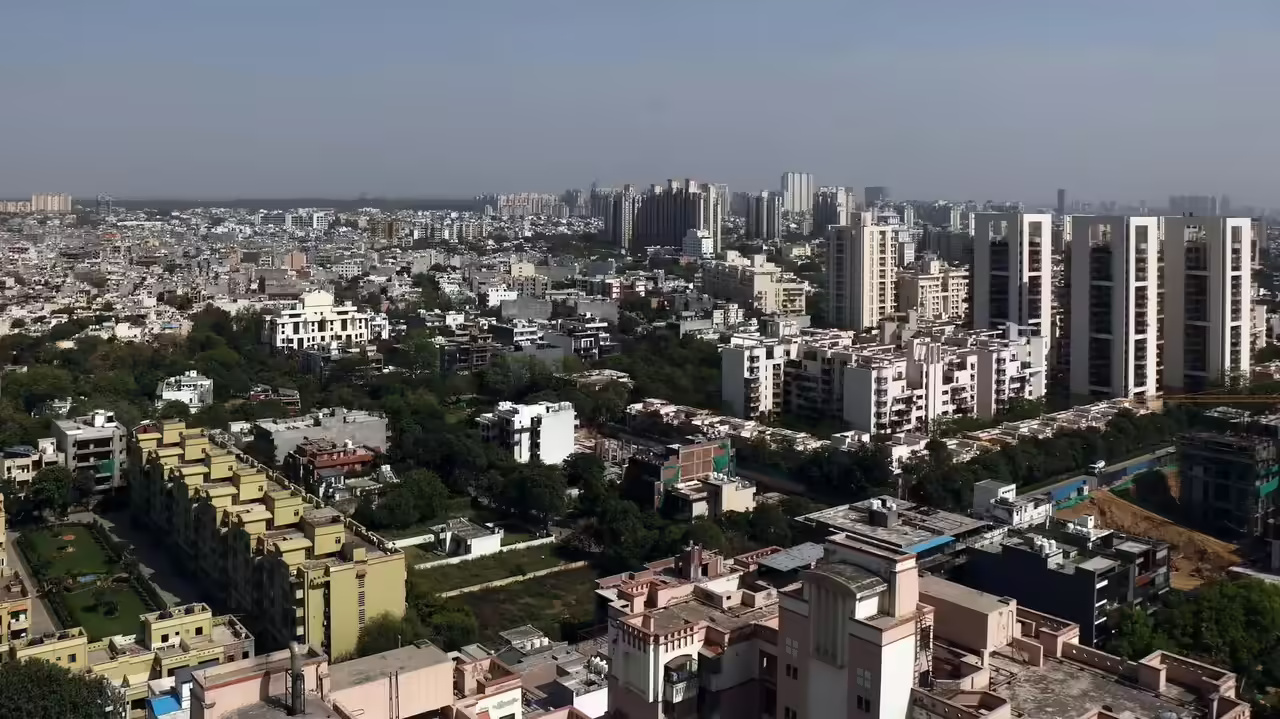
Gurugram Updates Circle Rates Amid Real Estate Growth
Authorities in Gurugram have introduced a revised framework for circle rates Gurugram, reshaping the base valuation used for property registration across residential, commercial and agricultural segments. The updated rates for the new financial year are expected to influence transaction costs, particularly in rapidly developing areas where land values have surged alongside infrastructure expansion. Circle rates determine the minimum value at which property transactions must be registered, forming the basis for stamp duty and registration charges. By revising circle rates Gurugram, the administration aims to narrow the gap that has gradually emerged between government-notified property valuations and actual market prices in several parts of the city.
Officials involved in the exercise said the recalibration was carried out after reviewing recent property transactions, urban development patterns and infrastructure growth across key micro-markets. Gurugram’s real estate sector has experienced sustained demand in recent years, driven by the expansion of housing corridors, improved transport connectivity and growing corporate presence across the National Capital Region. The updated framework indicates moderate increases across many locations, with revisions generally ranging between 15% and 30%. However, a smaller number of emerging zones have witnessed significantly higher adjustments, reflecting the pace of development and rising investor interest in those areas. Administrative data indicates that more than half of the notified locations have seen no change in valuation, while a limited share of sectors recorded the steepest increases. Real estate observers say growth corridors linked to large-scale infrastructure projects have been among the most affected by the revised rates. Areas along the Dwarka Expressway, where residential construction and connectivity upgrades have accelerated over the past few years, have witnessed some of the most substantial increases in base valuation.
The corridor has become a focal point for new housing supply and investment activity as connectivity with Delhi and the airport region improves. In contrast, established premium neighbourhoods—already commanding higher base values—have recorded comparatively smaller adjustments. Urban planners note that such calibrated increases reflect the maturity of these markets, where price appreciation has historically been more gradual due to higher starting benchmarks. The revision of circle rates Gurugram is expected to influence the economics of property purchases by increasing stamp duty and registration charges in areas where base values have been raised. Even when transaction prices remain unchanged, buyers may face higher statutory costs because the government valuation sets the minimum level for property registration. Policy experts say aligning circle rates more closely with prevailing market values can improve transparency in property transactions. When official valuations lag behind market prices, transactions may be recorded at artificially lower values, reducing tax collections and complicating valuation benchmarks for future development.
The latest revision follows a detailed administrative process involving market surveys, field assessments and scrutiny by district-level valuation committees before approval at the state level. As Gurugram continues to evolve into one of the National Capital Region’s most dynamic real estate markets, periodic updates to circle rates Gurugram are likely to remain a key policy tool for regulating property transactions and maintaining transparency in the city’s expanding urban economy.