Gurugram Traffic Junction Redesign To Ease Congestion
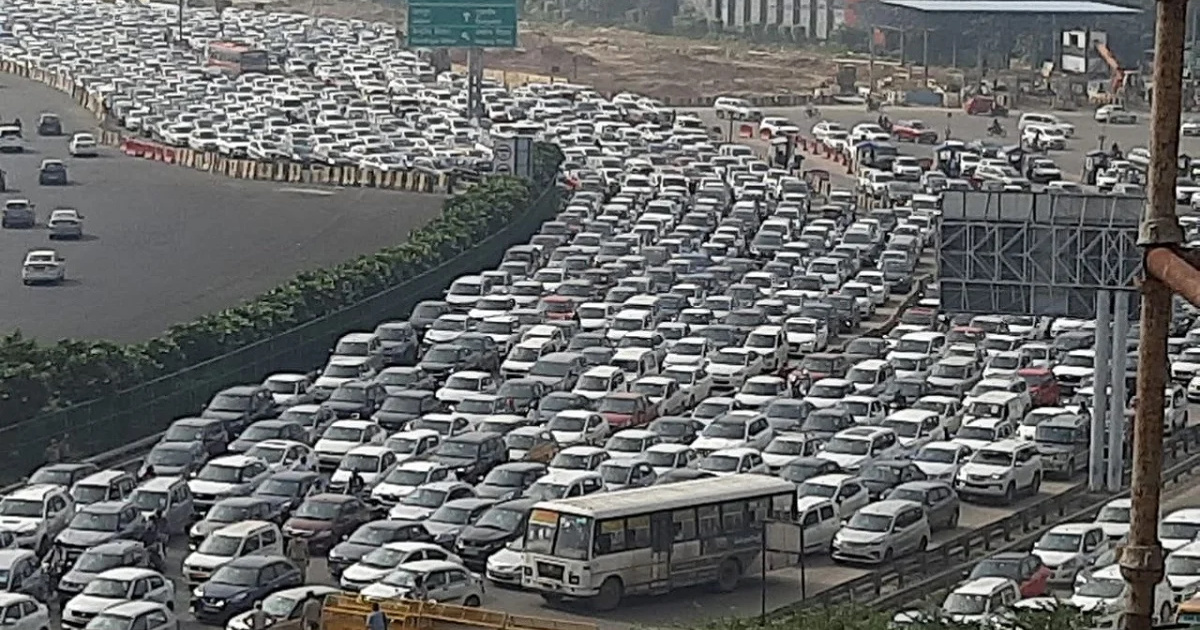
Urban mobility authorities in Gurugram are preparing to overhaul a network of high-traffic intersections as part of a broader strategy to ease congestion and reduce vehicle emissions across the rapidly expanding city. The initiative focuses on a traffic junction redesign programme covering 17 major intersections located between sectors 1 and 57, areas that experience heavy commuter movement during peak hours. Officials involved in the project say the redesign exercise aims to improve traffic circulation through engineering adjustments rather than large-scale road widening. By optimising existing road space and reorganising vehicle movement patterns, planners expect to reduce bottlenecks that frequently lead to long queues and increased fuel consumption at signalised junctions.
The project, estimated to cost around ₹7.5 crore, is currently in the tendering stage. Urban transport planners note that the selected intersections were identified through consultations with air quality monitoring authorities, as congestion hotspots tend to produce concentrated emissions from idling vehicles. The traffic junction redesign plan includes a combination of geometric and operational improvements. These involve extending slip lanes to allow smoother merging, introducing free left-turn corridors where feasible, developing dedicated U-turn pockets, and adjusting median lengths to maximise available carriageway space. Such measures are commonly used in urban traffic engineering to increase intersection capacity without major structural expansion. Officials say the goal is to shorten waiting time at signals while maintaining safer turning movements for vehicles. Reduced stoppage time can significantly cut localised air pollution because vehicles emit the highest levels of pollutants when repeatedly braking and accelerating in congested traffic conditions. The selected intersections span several key corridors that connect residential sectors with business districts and transport hubs.
Locations identified for improvement include busy neighbourhood junctions, intersections near metro stations, and major crossings along sector roads and arterial routes where congestion regularly spills over into surrounding areas. Urban mobility experts say intersection-level improvements can deliver measurable benefits in fast-growing cities such as Gurugram, where traffic demand has surged due to rapid real estate development and expanding office clusters. Unlike highway expansions, which require substantial land acquisition, redesigning intersections often relies on modest physical changes and improved lane management. Alongside the intersection improvements, city authorities have also initiated a separate plan to pave road shoulders along parts of Golf Course Extension Road. The work involves laying durable surface tiles on both sides of the carriageway to reduce roadside dust — a significant contributor to particulate air pollution in rapidly urbanising corridors. Environmental planners highlight that such measures, while relatively small individually, can collectively support better air quality and smoother commuting patterns. As Gurugram continues to densify, efficient traffic design is increasingly viewed as a key element of sustainable urban infrastructure.
Once implemented, the traffic junction redesign programme is expected to enhance mobility efficiency in several densely used corridors while contributing to lower vehicle emissions. For a city grappling with rising traffic volumes and air quality challenges, intersection-level engineering could become an important tool in building a more resilient and commuter-friendly transport network.