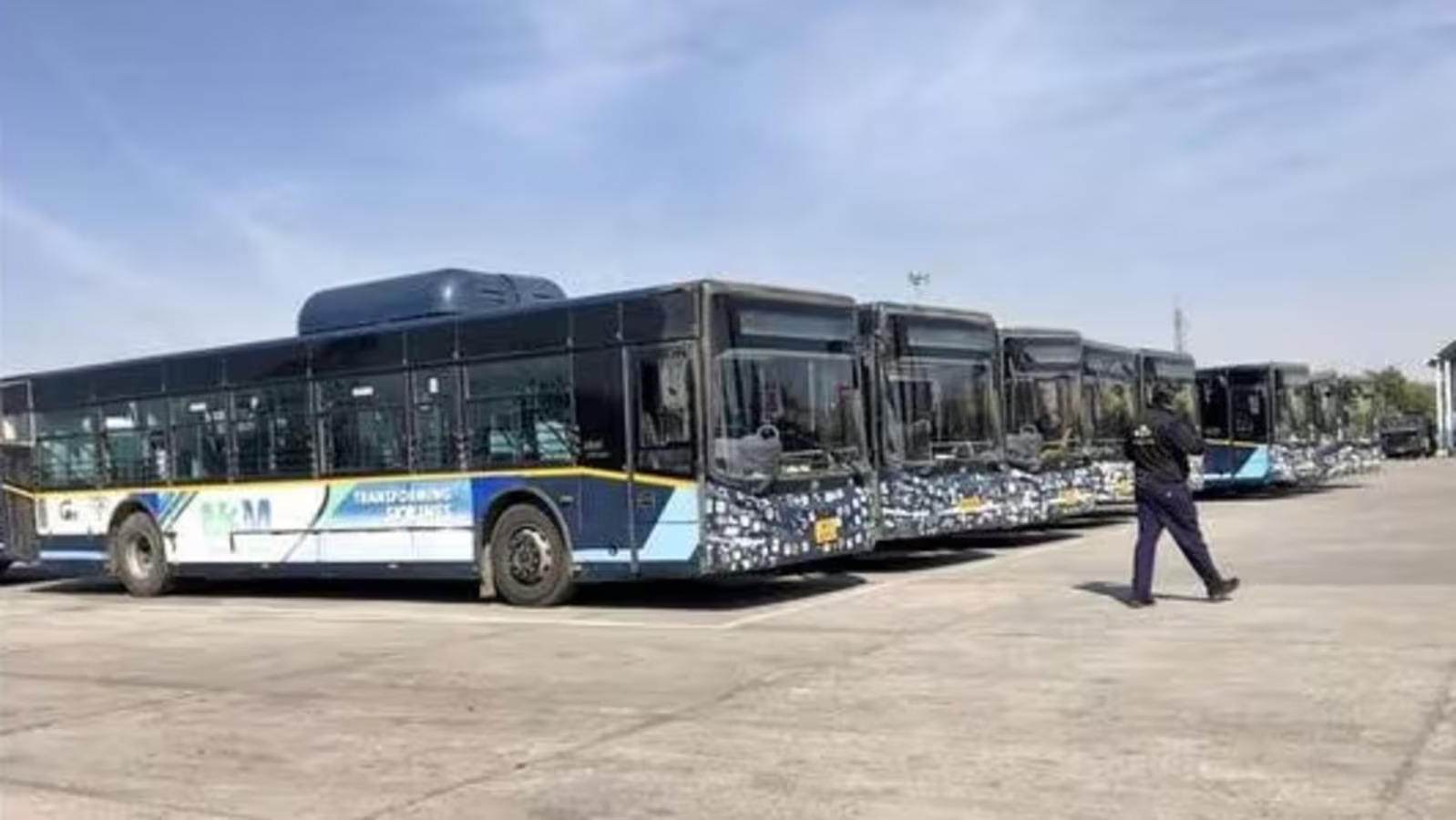
Gurugram to Get New Bus Depot at Sector 103 to Boost Dwarka E-way Connectivity
Gurugram Metropolitan Development Authority (GMDA) has greenlit the development of a new bus depot in Sector 103. This project, which will serve as a logistical nerve centre, is designed to significantly enhance connectivity along the rapidly developing Upper Dwarka Expressway and its surrounding sectors. The initiative is a key component of the city’s broader agenda to create a zero-net-carbon, sustainable, and equitable urban environment by promoting mass transit and reducing dependency on private vehicles. By expanding its bus network, the city aims to mitigate traffic congestion and air pollution, fostering a more livable and accessible urban ecosystem for all citizens.
The new facility, spread across 7.18 acres, will have the capacity to house up to 150 buses, offering a crucial operational space for parking, maintenance, and day-to-day services. The metropolitan authority has appointed Delhi Integrated Multi-Modal Transit System Ltd (DIMTS) as the project management consultant, tasked with preparing the concept plan and detailed project report. The strategic location of the depot was chosen for its proximity to the upcoming Sheetla Mata Medical College and Hospital, which is anticipated to become a major commuter hub. This foresight in planning will ensure that a robust public transport network is in place to support vital community infrastructure, making essential services more accessible for everyone.
The new depot is not an isolated project but a critical piece of a larger puzzle. Gurugram’s existing public transport network is currently supported by two depots in Sector 10 and Sector 52, which collectively accommodate 200 buses. Furthermore, an e-bus depot is under construction in Sector 48 and is slated for completion by year-end. This progressive infrastructure development aligns with the city’s ambitious plans to expand its fleet with a consignment of 450 new electric buses for Haryana, of which 100 are earmarked for Gurugram. The phased rollout of these eco-friendly vehicles and the necessary infrastructure signifies a firm commitment to a sustainable transport model.
This infrastructural push extends beyond just depots. The city is also enhancing the commuter experience with the development of 154 new bus queue shelters (BQS). These shelters, strategically located along key corridors like the Upper Dwarka Expressway and the Southern Peripheral Road, will provide users with user-friendly and convenient bus stop facilities. This focus on passenger amenities is paramount to encouraging a modal shift away from private vehicles. By making public transport more comfortable, reliable, and accessible, the city is laying the groundwork for a more inclusive and gender-neutral transit system that serves all segments of the population.
The cumulative impact of these projects—new depots, a larger fleet of electric buses, and improved passenger amenities—signals a fundamental shift in Gurugram’s urban planning. It moves the focus from being a city dominated by private vehicular traffic to one that prioritises collective, sustainable mobility. This strategic investment in public infrastructure serves the larger interest of society by combating environmental degradation and fostering equitable growth. It is a powerful statement that Gurugram is not just building new roads but a more connected, efficient, and sustainable future for its residents.