


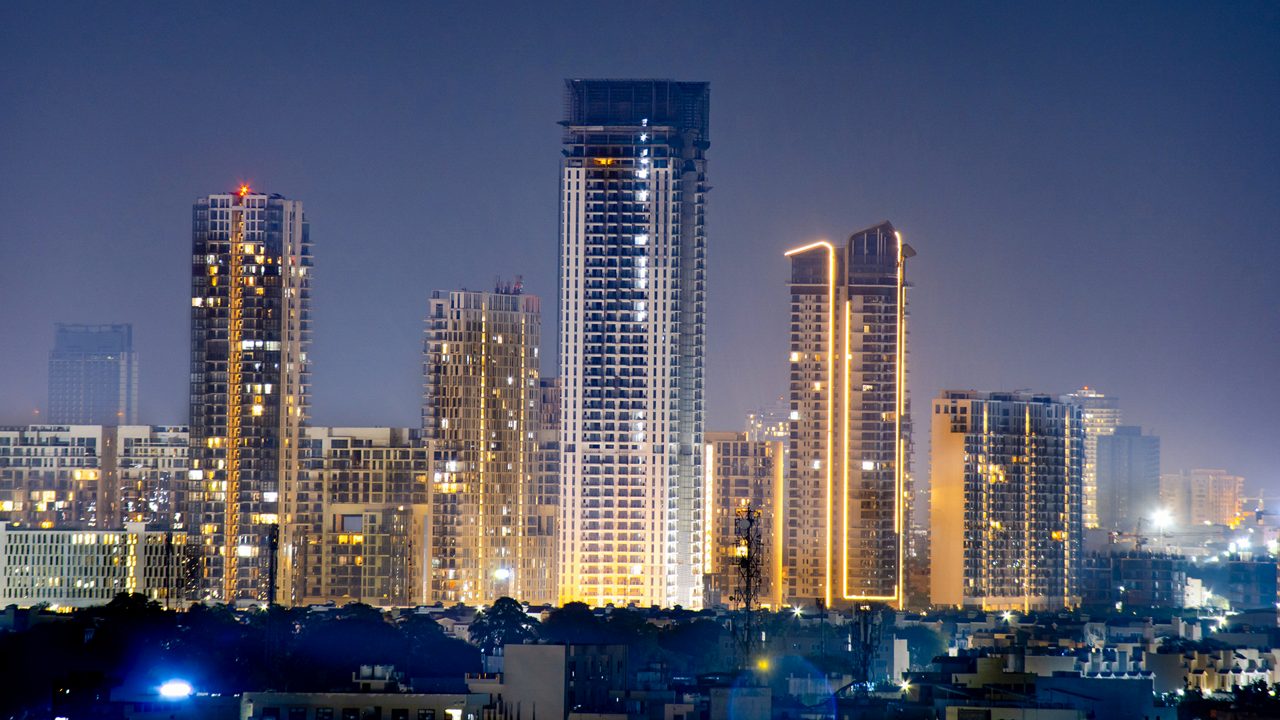
Gurugram’s transformation from a satellite city into the corporate and residential core of Delhi-NCR is drawing renewed attention from India’s largest real estate developers, many of whom are now accelerating expansion plans in the city. Strong end-user demand, rising price realisations and clearly defined growth corridors have positioned Gurugram as the region’s most resilient and profitable housing market.
Over the past few years, national developers headquartered outside NCR have significantly expanded their presence, marking a shift in capital flows within India’s urban real estate landscape. Industry observers say Gurugram’s ability to absorb premium supply while maintaining sales momentum has set it apart from other metropolitan markets struggling with volatility. A senior executive at a national real estate firm said the city offers a rare combination of scale, purchasing power and planning clarity. “What makes Gurugram attractive is not just volume but quality of demand. Buyers here understand product differentiation and are willing to pay for long-term value,” the executive noted. Market data supports this assessment. Between 2021 and September 2025, Gurugram accounted for more than half of NCR’s new housing supply and sales. During this period, over 1.09 lakh units were launched, while sales crossed 1.34 lakh units, reflecting strong absorption. Unsold inventory declined sharply, signalling a structurally balanced market rather than speculative growth.
Urban planners point to the city’s role as NCR’s employment engine as a critical driver. With a concentration of global offices, technology parks and financial services firms, Gurugram continues to attract a skilled workforce, sustaining demand for high-quality housing close to workplaces. Emerging micro-markets along Dwarka Expressway, Southern Peripheral Road and sectors beyond the NH-48 corridor are now becoming focal points for new development. Developers are also responding to post-pandemic shifts in buyer preferences. Branded housing with reliable delivery timelines, better air quality, green spaces and wellness-oriented layouts is gaining traction. A senior industry expert said buyers increasingly prioritise liveability and environmental performance alongside location, pushing developers to integrate sustainability measures into project design. This shift has had pricing implications. Average residential prices rose nearly 30 per cent over the past year, reflecting demand for premium housing rather than speculative escalation. Developers argue that the entry of reputed national players is likely to elevate construction standards and planning benchmarks, rather than distort pricing in established neighbourhoods.
From an urban development perspective, Gurugram’s trajectory underscores the importance of coordinated infrastructure, employment-led growth and regulatory clarity. As cities across India compete for investment, Gurugram’s experience offers lessons on how planned density, mixed-use development and sustainable design can support long-term urban resilience without compromising affordability or inclusivity.
Also Read: Navi Mumbai Body Issues Notice To CIDCO Over Housing Site SOP Violations
Gurugram Strong Demand And Premium Pricing Attract Non NCR Developers
