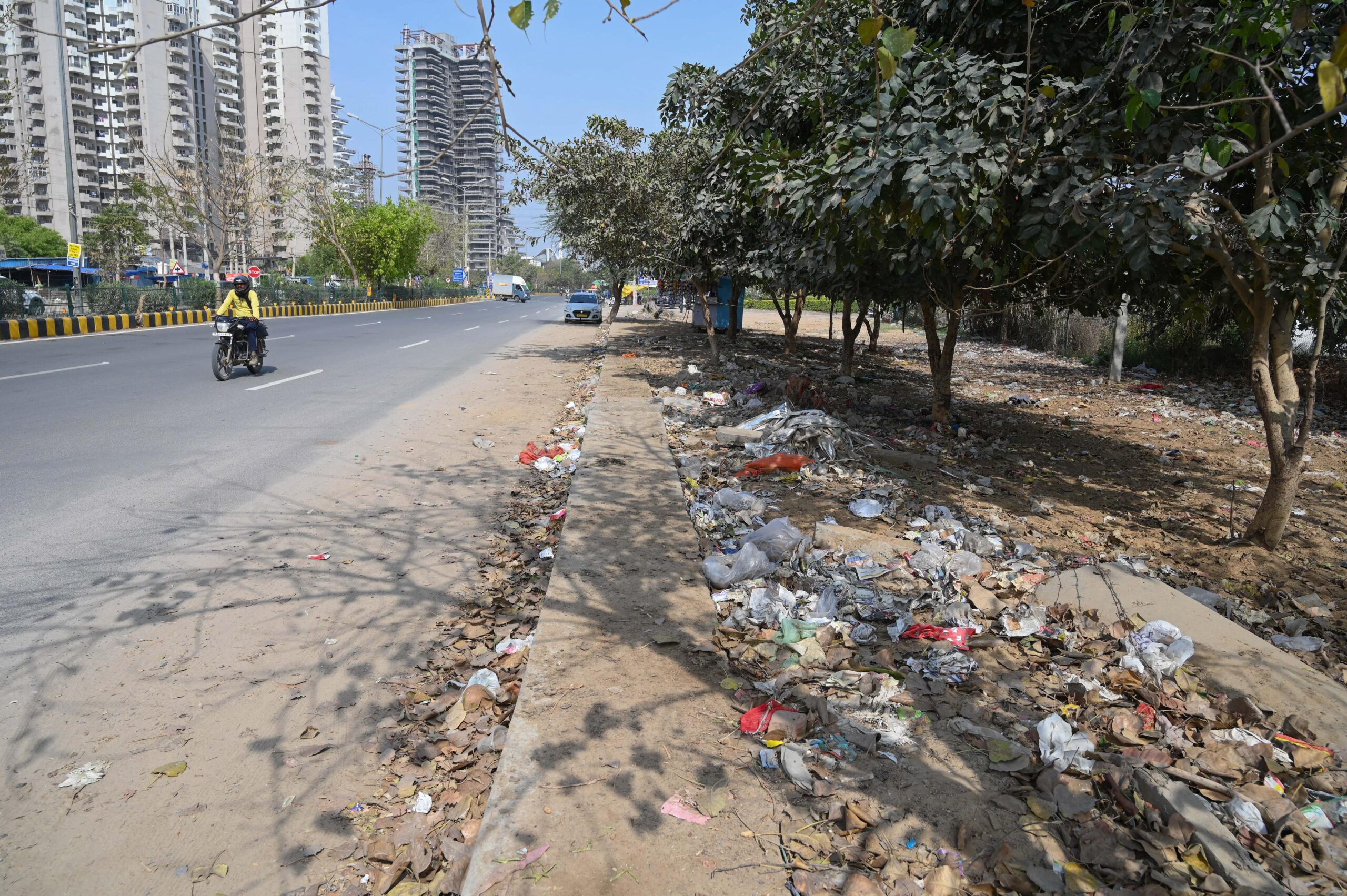
Residents in Gurugram’s Sector 92 are raising concerns over persistent gaps in basic urban infrastructure, highlighting how rapid real estate expansion has outpaced essential civic provisioning in one of the city’s newer residential clusters. The situation underscores a broader challenge for fast-growing urban peripheries—balancing development momentum with reliable, inclusive services. Despite visible improvements in internal road networks, residents report that critical systems such as sewerage, water supply, and waste management remain incomplete or poorly coordinated. Urban planners note that such imbalances often emerge in newly urbanized sectors where multiple agencies share overlapping responsibilities without a unified execution framework.
A key issue flagged by residents is the absence of a fully functional sewerage network, forcing housing societies to depend on private tanker services for wastewater disposal. This not only increases household costs but also raises environmental risks, as unregulated discharge can contaminate land and water systems. Experts warn that such practices undermine long-term sustainability and highlight the need for integrated urban water management systems. Equally concerning is the condition of designated green belts, which were originally planned as ecological buffers and community spaces. Many of these areas remain either undeveloped or encroached upon, with instances of informal commercial activity and waste dumping. Urban design specialists emphasise that neglected green spaces reduce climate resilience, limit urban cooling, and weaken the social fabric of neighbourhoods. Encroachment of public land has emerged as another systemic challenge. Open spaces are increasingly occupied by informal activities, including scrap storage and small-scale operations, often accompanied by waste burning. This contributes to localised air pollution and safety hazards, particularly in high-density residential zones.
Residents also point to gaps in social infrastructure, including the absence of nearby cremation facilities and delays in operationalising piped natural gas connections despite installed networks. Such delays reflect coordination issues between planning, execution, and service delivery agencies, a recurring concern in rapidly expanding urban regions. Officials indicate that work on sewer connectivity and anti-encroachment measures is underway, with multiple departments involved in addressing the backlog. However, urban policy experts suggest that piecemeal interventions may not resolve deeper structural issues unless supported by a unified, time-bound implementation strategy. The situation in Sector 92 reflects a wider pattern across emerging urban corridors, where infrastructure often lags behind real estate growth. As Indian cities continue to expand, ensuring synchronized delivery of core services—water, sanitation, green spaces, and energy—will be critical to building liveable, climate-resilient communities.
For residents, the expectation is not just development, but dependable systems that support daily life. The coming months will test whether administrative coordination can translate into measurable, on-ground improvements.