Gurugram Sector 5 Residents Flag Urban Infrastructure Issues
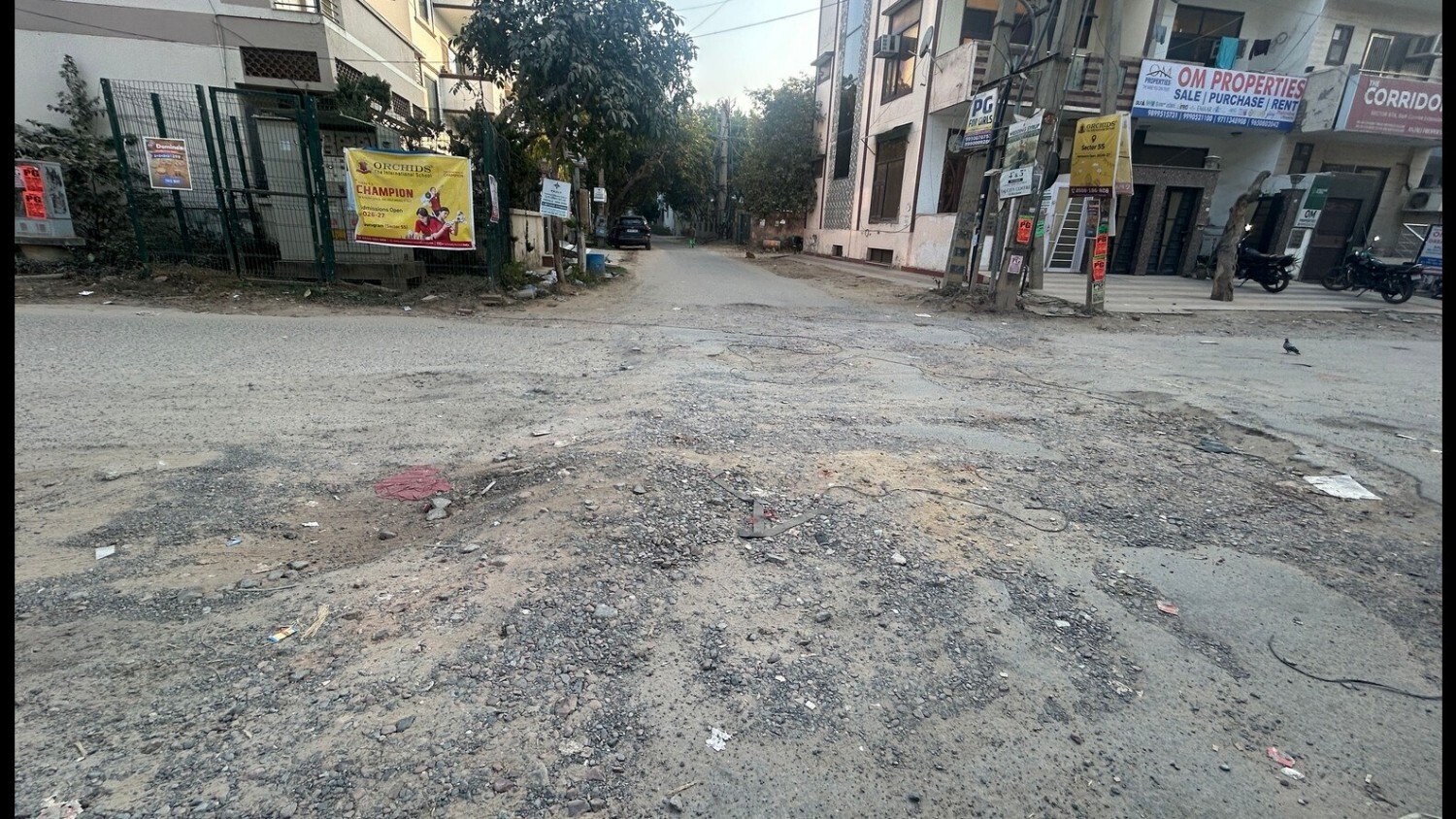
Gurugram’s older residential neighbourhoods are increasingly highlighting the strain on civic infrastructure, with residents of Sector 5 raising concerns over deteriorating roads, sanitation challenges and recurring waterlogging. The complaints have drawn attention to broader Gurugram civic infrastructure issues that continue to affect several established sectors despite the city’s rapid urban expansion and growing real estate development. Sector 5, among the earliest planned residential pockets of Gurugram, has seen repeated grievances from residents who say basic urban services have struggled to keep pace with ageing infrastructure and rising population density. According to local residents and civic representatives, uneven road surfaces, broken pavements and clogged drains have created daily difficulties for pedestrians and commuters.
Urban planners say the situation reflects a wider challenge faced by Indian cities where early residential sectors, developed decades ago, now require systematic upgrades to meet modern mobility and drainage needs. Experts note that maintaining older neighbourhood infrastructure is as critical as building new urban corridors, particularly in rapidly growing metropolitan regions. Residents report that the situation worsens during rainfall when several internal roads in the area experience severe waterlogging. The sector’s relatively low elevation, combined with drainage systems that require regular maintenance, has made stormwater management a recurring issue. Local observers say water from adjoining higher areas tends to flow into the neighbourhood, increasing the risk of flooded streets during heavy showers. Municipal authorities have acknowledged that certain locations in the sector remain vulnerable to water accumulation and say preparatory measures are being planned before the monsoon season. Officials from civic agencies indicated that desilting of drainage lines and identification of waterlogging hotspots are being carried out to reduce the impact of seasonal rainfall.
Another aspect of the Gurugram civic infrastructure issues raised by residents relates to the condition of internal roads and pedestrian pathways. While some roads have undergone resurfacing in recent months, several stretches reportedly remain damaged or uneven, affecting both vehicles and pedestrians. Authorities say tenders have been issued for the reconstruction of certain internal roads using more durable materials designed to withstand water exposure. Sanitation and waste management have also emerged as pressing concerns. Residents point to instances of illegal garbage dumping on vacant plots, roadside stretches and open grounds within the sector. Urban governance experts note that unmanaged waste disposal not only creates health risks but also contributes to clogged drainage channels that exacerbate flooding during rains. Encroachment on footpaths and roadside spaces has further complicated mobility within the neighbourhood. Informal commercial activity and unregulated parking have narrowed road space in some market areas, creating congestion and limiting pedestrian movement. Civic officials say monitoring teams have been deployed to address dumping and encroachment complaints while reviewing long-term solutions.
Urban development specialists emphasise that addressing Gurugram civic infrastructure issues in established residential sectors will require coordinated planning between municipal agencies and metropolitan authorities responsible for roads, drainage and sanitation. As Gurugram continues to expand with new housing corridors and commercial districts, upgrading older neighbourhoods remains essential for building a more resilient and inclusive urban environment.