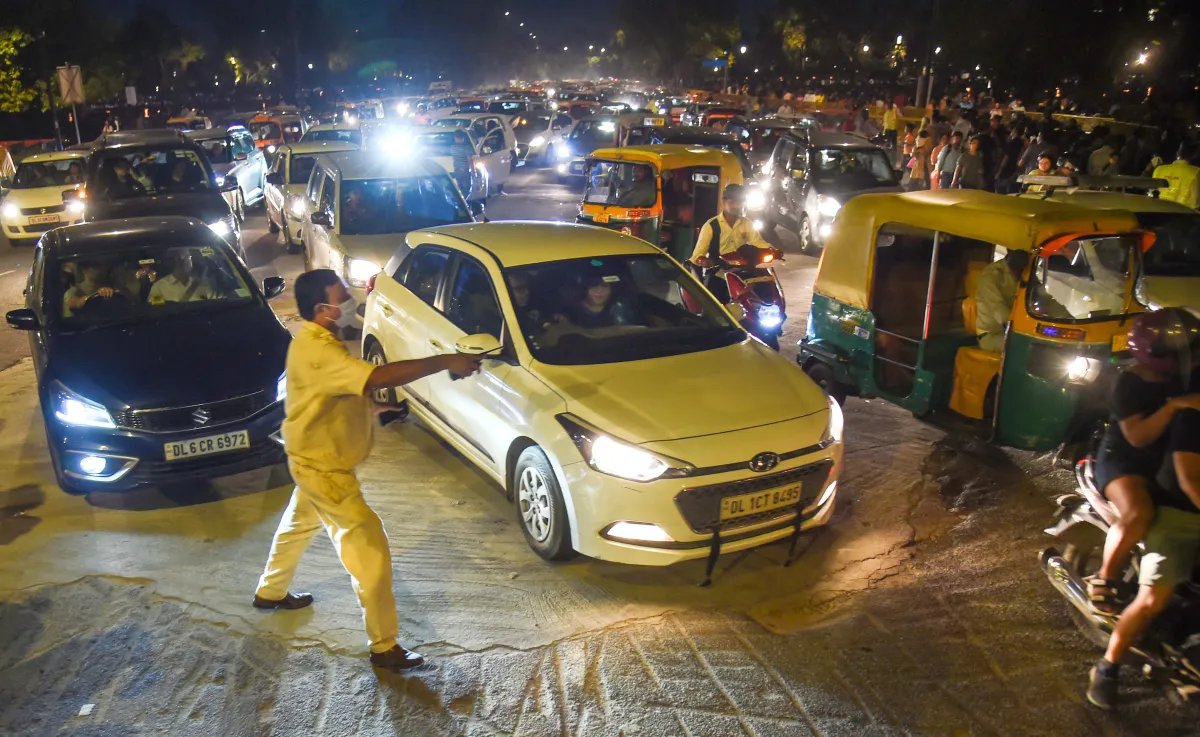
Authorities have temporarily restricted vehicle movement on several roads in Sector 44 as civic agencies undertake repair work on a key urban corridor linking the city’s metro hub to major commercial and institutional zones. The closures, announced through a traffic advisory, are expected to remain in force through the weekend and may affect thousands of commuters travelling through one of Gurugram’s busiest mixed-use districts. The Sector 44 road closures have been implemented to enable maintenance and resurfacing works along stretches connecting the Millennium City Centre Metro Station with Bakhtawar Chowk and adjoining roads. The municipal authority overseeing the repairs has cited the need for structural improvements on ageing road surfaces that carry heavy daily traffic from residential neighbourhoods, hospitals, corporate offices, and retail centres.
According to traffic officials, movement restrictions cover multiple links around the Sector 44 precinct, including roads connecting the metro station corridor, internal sector roads, and sections leading towards institutional landmarks such as hospitals and office complexes. The temporary ban on vehicular entry has been scheduled during daytime hours to allow uninterrupted construction activity and ensure worker safety. Urban planners note that the Sector 44 road closures highlight the growing strain on infrastructure in rapidly urbanising districts such as Gurugram. The area functions as a critical feeder route between the Delhi Metro’s southern terminus in the city and several employment clusters. As residential density and office space have expanded over the past decade, traffic volumes have risen sharply, often leading to bottlenecks during peak commuting hours. To manage congestion during the repair window, traffic authorities have urged commuters and office workers in the area to utilise designated parking spaces near metro facilities and rely on alternate routes.
Local traffic personnel have also been deployed to monitor diversions and prevent illegal parking on surrounding streets that could worsen congestion. Infrastructure specialists say such maintenance efforts are necessary to preserve road safety and extend the life of urban transport assets. Regular resurfacing and drainage repairs can reduce accident risks, improve travel times, and support smoother movement of buses, emergency vehicles, and freight traffic. The works are also being viewed in the context of Gurugram’s broader push to modernise mobility infrastructure while transitioning towards cleaner and more sustainable transport systems. Improving road quality is seen as an interim step as authorities gradually expand metro connectivity, electric bus fleets, and last-mile transit networks across the city.
Officials overseeing the repairs said the temporary restrictions will remain in place only until the scheduled works are completed. Once finished, authorities expect normal traffic movement to resume with improved road conditions along the corridor. For residents and commuters, the short-term inconvenience is expected to translate into safer and more reliable urban mobility in one of Gurugram’s most heavily used transport zones.