Gujarat Road Upgrades Boost South Gujarat Tourism Access
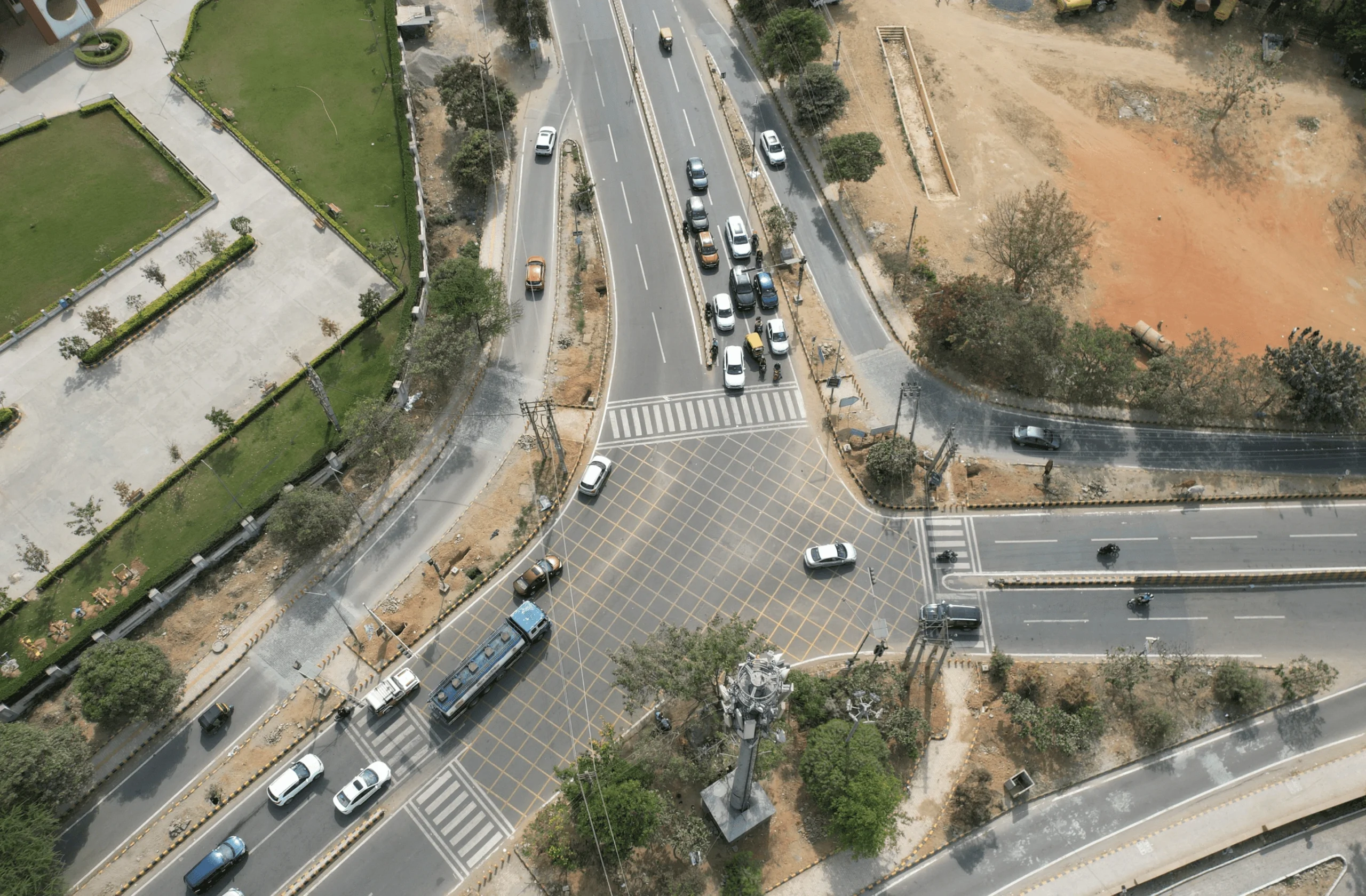
Civic authorities in Gurugram have initiated a multi-corridor road upgrade programme targeting deteriorated internal streets across key residential sectors, signalling a renewed push to address long-standing infrastructure gaps in rapidly urbanising neighbourhoods. The municipal body has allocated over ₹15 crore for the current phase, covering construction and resurfacing works across four stretches in different parts of the city. The intervention focuses on improving road quality, easing traffic movement, and enhancing safety for both motorists and pedestrians in areas that have witnessed sustained population growth but uneven infrastructure upkeep.
Among the projects is the development of a new arterial road in a central residential sector, designed with a wider carriageway to accommodate increasing vehicle volumes. In parallel, resurfacing work is being undertaken in established neighbourhoods where road conditions have degraded due to ageing surfaces and repeated utility cuts. Another corridor connecting a prominent commercial hub to adjoining residential blocks is being redesigned as a model stretch, indicating a shift towards higher-quality road engineering standards. Urban planners say the Gurugram road upgrade reflects a broader pattern across Indian cities, where internal roads—often overlooked in favour of highways and expressways—are emerging as critical links in daily mobility. Poorly maintained neighbourhood roads not only slow traffic but also contribute to higher vehicle emissions, increased fuel consumption, and safety risks, particularly during the monsoon when waterlogging exacerbates surface damage. Residents in several of the identified areas have long raised concerns about potholes, uneven pavements, and lack of pedestrian infrastructure. In high-density zones, these issues are compounded by inadequate drainage systems, leading to frequent water accumulation that weakens road foundations and disrupts commuting patterns.
Experts note that addressing these challenges requires integrated planning that goes beyond resurfacing to include stormwater management and durable material use. Officials involved in the project indicate that design considerations now include improved road geometry, better drainage provisions, and longer-lasting surfacing materials to reduce maintenance cycles. The timelines for completion extend into early 2027, suggesting a phased execution approach aimed at minimising disruption while ensuring construction quality. The initiative follows earlier repair drives targeting pothole-prone stretches identified through city-wide inspections, pointing to a gradual shift towards more systematic asset management. However, infrastructure analysts caution that sustained outcomes will depend on consistent monitoring, quality control, and coordination between civic agencies and utility providers to prevent repeated damage after repairs. From a real estate perspective, improved internal connectivity is expected to enhance property values and liveability across these sectors, reinforcing the link between infrastructure quality and urban economic growth. At the same time, the emphasis on internal roads underscores the need for more inclusive planning that prioritises everyday mobility over high-visibility projects.
As Gurugram continues to expand, the effectiveness of this road upgrade programme will likely be judged not only by smoother commutes but also by its ability to deliver durable, climate-resilient infrastructure that meets the needs of a growing urban population.