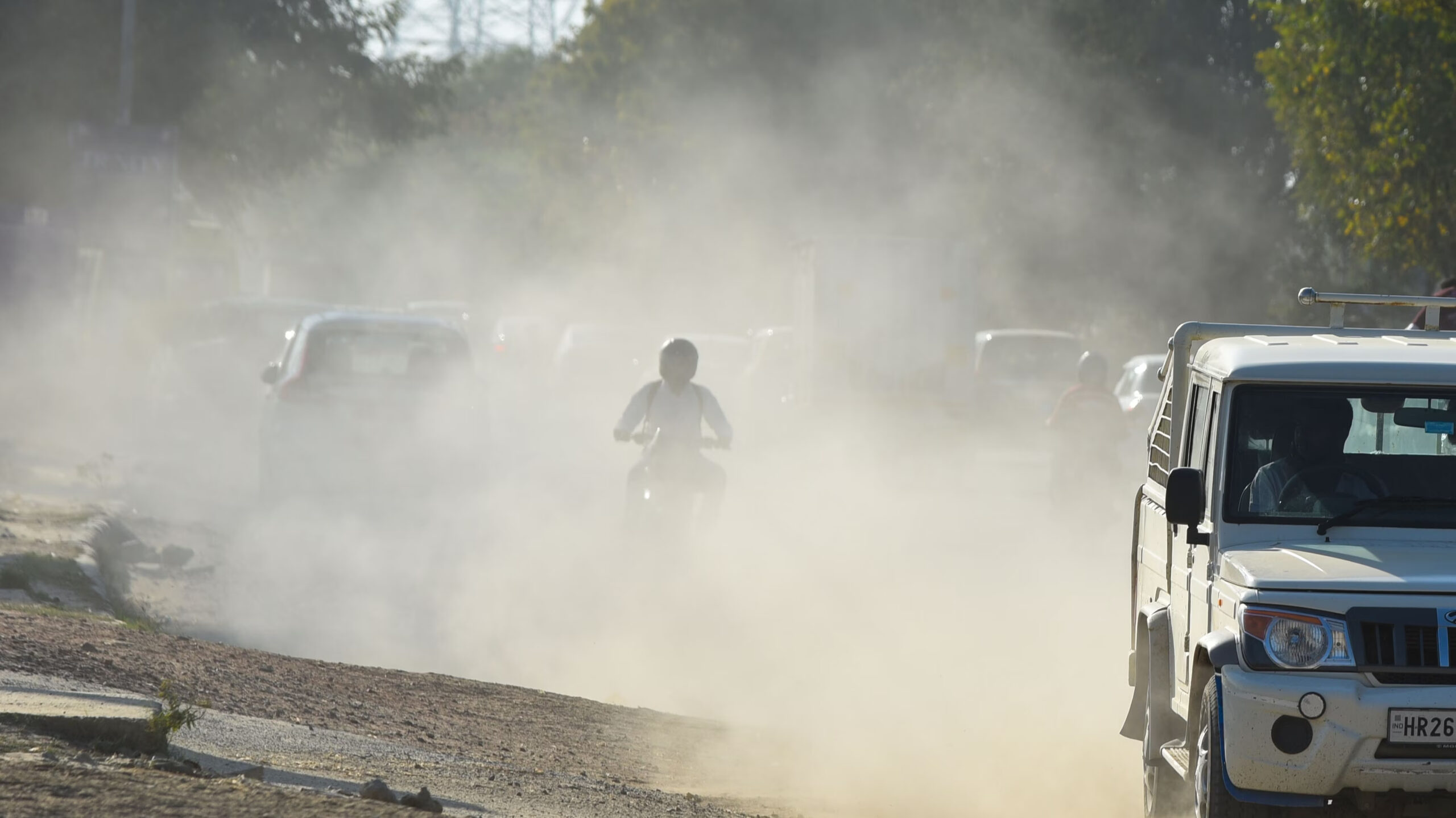
Gurugram Road Redesign Plan Targets Dust Pollution
Gurugram is preparing a targeted overhaul of key transport corridors as part of a broader push to address rising dust pollution levels in the city. The proposed Gurugram road redesign initiative aims to improve roadside infrastructure and reduce particulate emissions, reflecting a shift towards integrating environmental considerations into urban mobility planning. Authorities are in the process of identifying around 15 high-impact road stretches that will undergo detailed redesign. These corridors, largely comprising arterial and high-traffic routes, have been flagged for poor edge conditions, including unpaved shoulders and inadequate drainage—factors that contribute significantly to dust generation.
Urban planners note that such micro-level deficiencies often have a disproportionate impact on air quality in rapidly expanding cities. The Gurugram road redesign plan is expected to incorporate a mix of engineering and ecological interventions. Proposed measures include paving of road shoulders, improved footpaths, landscaped medians, better stormwater drainage, and the introduction of green buffers. These elements are designed not only to reduce dust emissions but also to enhance pedestrian safety and overall urban aesthetics. Dust pollution has emerged as a persistent challenge in Gurugram, driven by construction activity, high vehicular movement, and gaps in civic infrastructure. Recent inspections across multiple road stretches revealed varying levels of dust accumulation, with several locations showing visibly high concentrations. The presence of construction debris and poorly managed roadside waste has further exacerbated the issue, highlighting the need for coordinated action across agencies.
Urban environmental experts suggest that road design plays a crucial role in managing non-exhaust emissions, which include dust from road surfaces and surrounding areas. Unlike vehicular exhaust, these emissions are often overlooked but can contribute significantly to particulate matter levels, particularly in dry conditions. Addressing them requires a combination of infrastructure upgrades, maintenance practices, and regulatory enforcement. The involvement of a specialised planning institution in the redesign process indicates an effort to adopt a more structured and research-driven approach. By tailoring solutions to specific road conditions, authorities aim to create scalable models that can be replicated across other parts of the city. This aligns with broader urban development goals of building resilient and sustainable transport networks. From a real estate and urban growth perspective, improved road infrastructure can have cascading benefits. Cleaner, well-designed corridors enhance property values, support commercial activity, and improve quality of life for residents. Integrating green infrastructure into road design also contributes to climate resilience by reducing heat island effects and improving stormwater management.
As Gurugram continues to urbanise at a rapid pace, initiatives like the Gurugram road redesign highlight the importance of embedding environmental priorities into core infrastructure planning. The effectiveness of this approach will depend on timely implementation, inter-agency coordination, and sustained maintenance, ensuring that short-term interventions translate into long-term improvements in air quality and urban liveability.