Gurugram Road Projects Align With Pollution Control Push
A city-wide infrastructure push is underway in Gurugram, where municipal authorities have initiated a coordinated road overhaul programme aimed at strengthening climate resilience and reducing dust-related pollution ahead of the monsoon season. The initiative, covering more than 100 road stretches, reflects a growing emphasis on integrating mobility upgrades with environmental compliance in rapidly expanding urban centres. Officials reviewing progress across departments indicated that 108 road projects spanning over 240 kilometres are currently at various stages of execution. These include both arterial upgrades and neighbourhood-level improvements, with a subset of stretches aligned to air quality compliance norms prescribed by national regulators. The focus extends beyond road surfacing to include dust mitigation, drainage readiness, and green infrastructure interventions.
The Gurugram road overhaul is particularly significant in the context of the city’s persistent air quality challenges. Construction dust and poorly maintained roads are among the key contributors to particulate pollution in the National Capital Region. By prioritising paving and strengthening of nearly 70 kilometres of vulnerable stretches, authorities aim to curb loose dust emissions that typically spike during dry and pre-monsoon months. Urban planners highlight that such measures are critical in cities like Gurugram, where rapid real estate growth has often outpaced supporting civic infrastructure. Unpaved shoulders, broken carriageways, and ongoing construction activity can collectively worsen air quality and increase public health risks. Integrating road engineering with environmental safeguards, they say, is essential for sustainable urbanisation. The programme also incorporates nature-based solutions. Plans are underway to convert select central verges into green corridors, with plantation drives targeting identified stretches through GIS-based mapping. While currently limited in scale, such greening efforts are expected to contribute to microclimate regulation, reduce heat absorption, and act as buffers against dust dispersion along high-traffic routes.
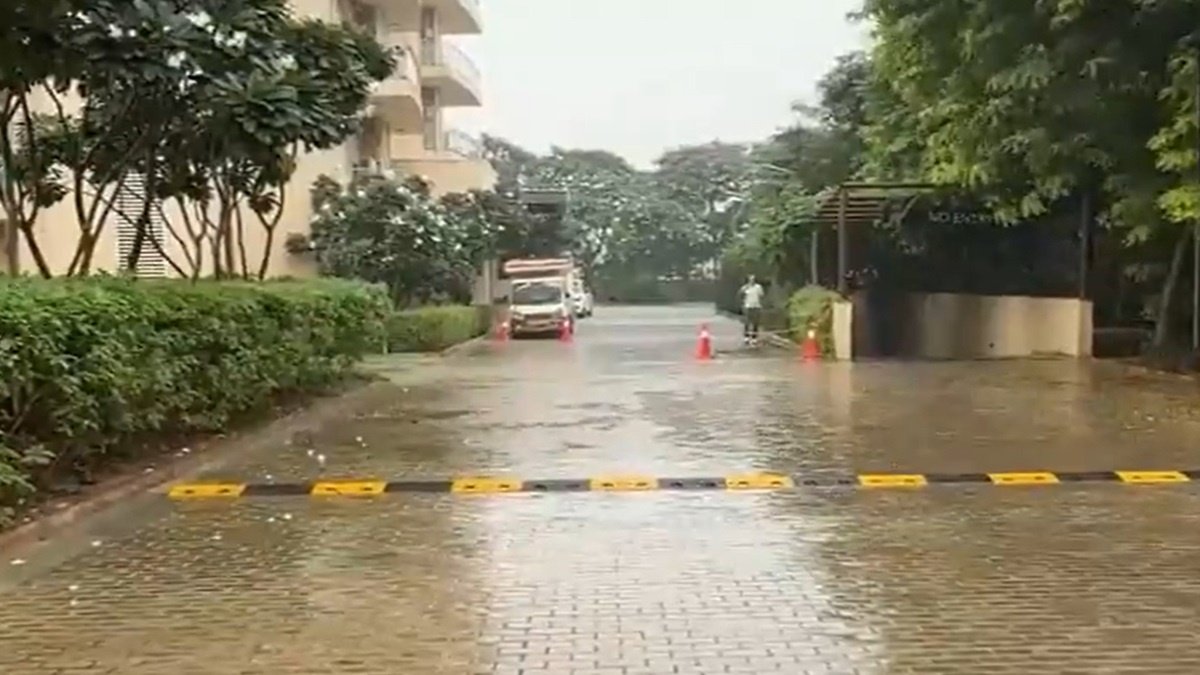
Another critical component of the Gurugram road overhaul is monsoon preparedness. Waterlogging remains a recurring issue across several parts of the city, disrupting mobility and damaging road assets. By identifying flood-prone locations and aligning roadworks with drainage improvements, authorities are attempting to minimise seasonal disruptions and extend the lifecycle of infrastructure investments. Experts caution, however, that execution will be key. Past experiences in the region have shown that fragmented implementation and weak maintenance regimes can undermine the intended benefits of large-scale upgrades. Continuous monitoring, inter-agency coordination, and adherence to environmental norms will be crucial to ensure long-term impact. The initiative signals a shift towards more integrated urban management, where road development is no longer treated as a standalone activity but as part of a broader system that includes air quality management, climate adaptation, and public health considerations.
As Gurugram continues to evolve into a major economic hub, aligning infrastructure delivery with environmental resilience will remain central to its growth trajectory. The current drive offers an opportunity to recalibrate how cities plan and maintain their road networks in the face of rising climate and pollution pressures.