Gurugram Public Bus Route Strengthens Metro Access
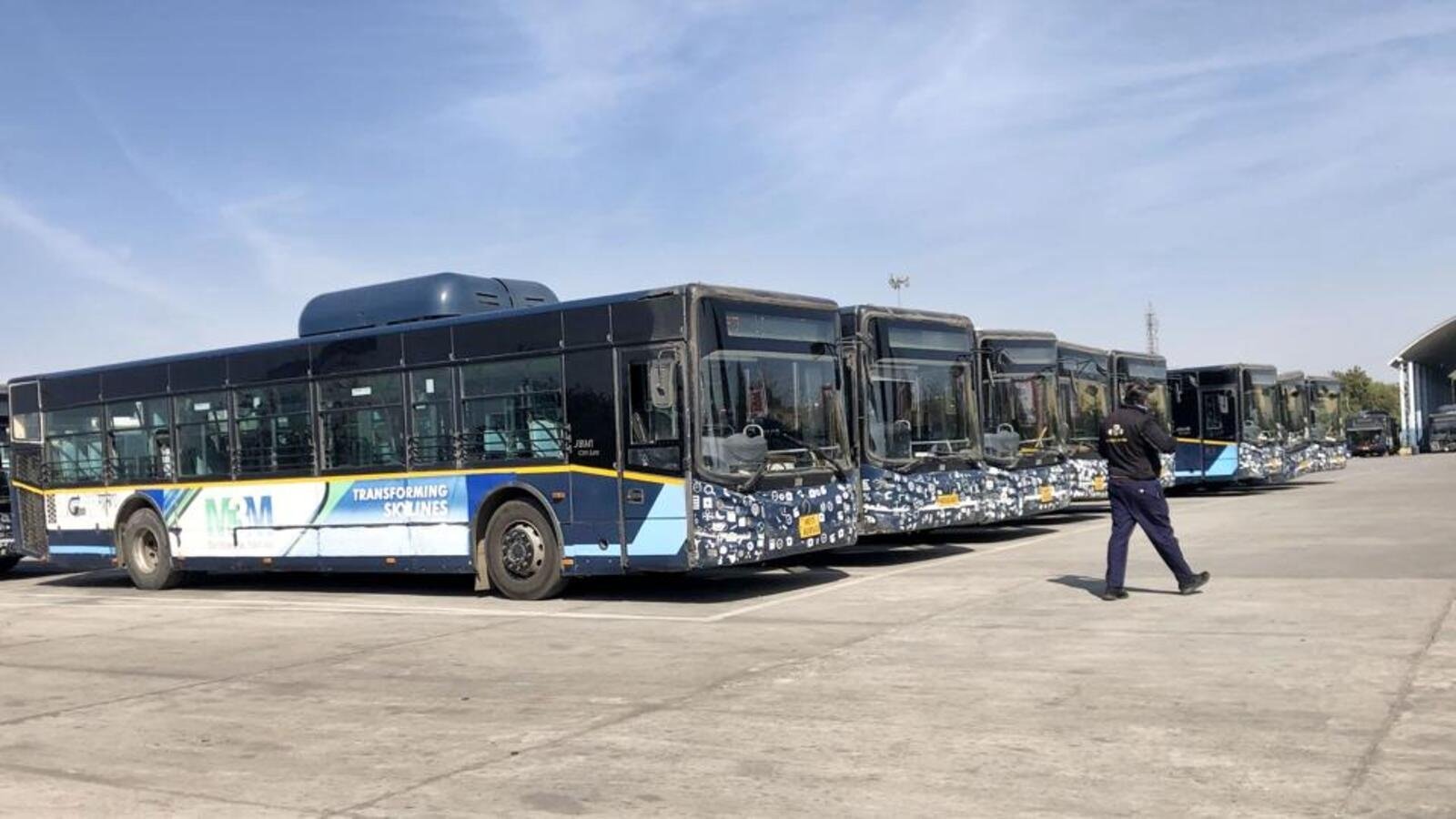
Public transport connectivity in Gurugram is expanding with the launch of a new city bus route designed to link residential and commercial districts with the metro network. Urban mobility authorities have introduced a dedicated bus service connecting Hero Honda Chowk to the Sector 55/56 metro corridor, aiming to improve last-mile accessibility while easing road congestion across one of the city’s busiest commuter stretches. The newly introduced Gurugram bus route spans roughly 11 kilometres and passes through several key neighbourhoods, including major residential sectors and healthcare hubs. Transport officials say the service has been planned to bridge a persistent mobility gap faced by commuters travelling between densely populated residential clusters and the metro network.
The corridor currently experiences heavy traffic during peak hours due to a high dependence on private vehicles and informal transport options. By linking multiple residential sectors to the metro system, authorities hope the Gurugram bus route will provide a reliable and affordable alternative for daily commuters, particularly office workers and students. Initial operations include a limited fleet operating at regular intervals throughout the day, with buses covering over twenty designated stops along the route. Officials involved in the planning process indicate that the service schedule has been structured to align with common commuting hours, ensuring accessibility for passengers travelling to offices, educational institutions and commercial centres. Urban mobility planners view the route as part of a broader effort to strengthen integrated public transport systems in Gurugram. The city has experienced rapid expansion over the past decade, driven by corporate growth, residential development and infrastructure investments. However, public transport connectivity has struggled to keep pace with rising population density and vehicle ownership.
Experts note that improving feeder connectivity to metro corridors is essential for reducing dependence on private cars. Efficient bus links between neighbourhoods and transit stations can significantly increase public transport ridership while reducing congestion and emissions in fast-growing urban regions. The transport agency overseeing city bus operations is also preparing for a larger transition towards electric mobility. Officials confirm that an expanded fleet of electric buses is expected to be introduced in the coming months as part of a wider sustainability strategy. These vehicles are expected to reduce operational emissions and support climate-conscious mobility planning in the National Capital Region. Future route expansions are also being evaluated to improve connectivity in emerging urban districts such as Dwarka Expressway and industrial areas near Manesar. Planners say integrating buses, metro rail and other transit systems will be critical as Gurugram continues to evolve into a major economic hub. Urban planning specialists emphasise that reliable bus networks are often the backbone of sustainable city mobility. While metro systems provide high-capacity transit, feeder services like the Gurugram bus route ensure that commuters can complete the final segment of their journey efficiently.
If ridership grows as anticipated, transport authorities may expand the service frequency and introduce additional buses along the corridor. For Gurugram’s rapidly expanding urban population, improved public transport connectivity could play a key role in shaping a more accessible and environmentally resilient mobility network in the years ahead.