Gurugram Project Transfer Reflects Changing Real Estate Strategy
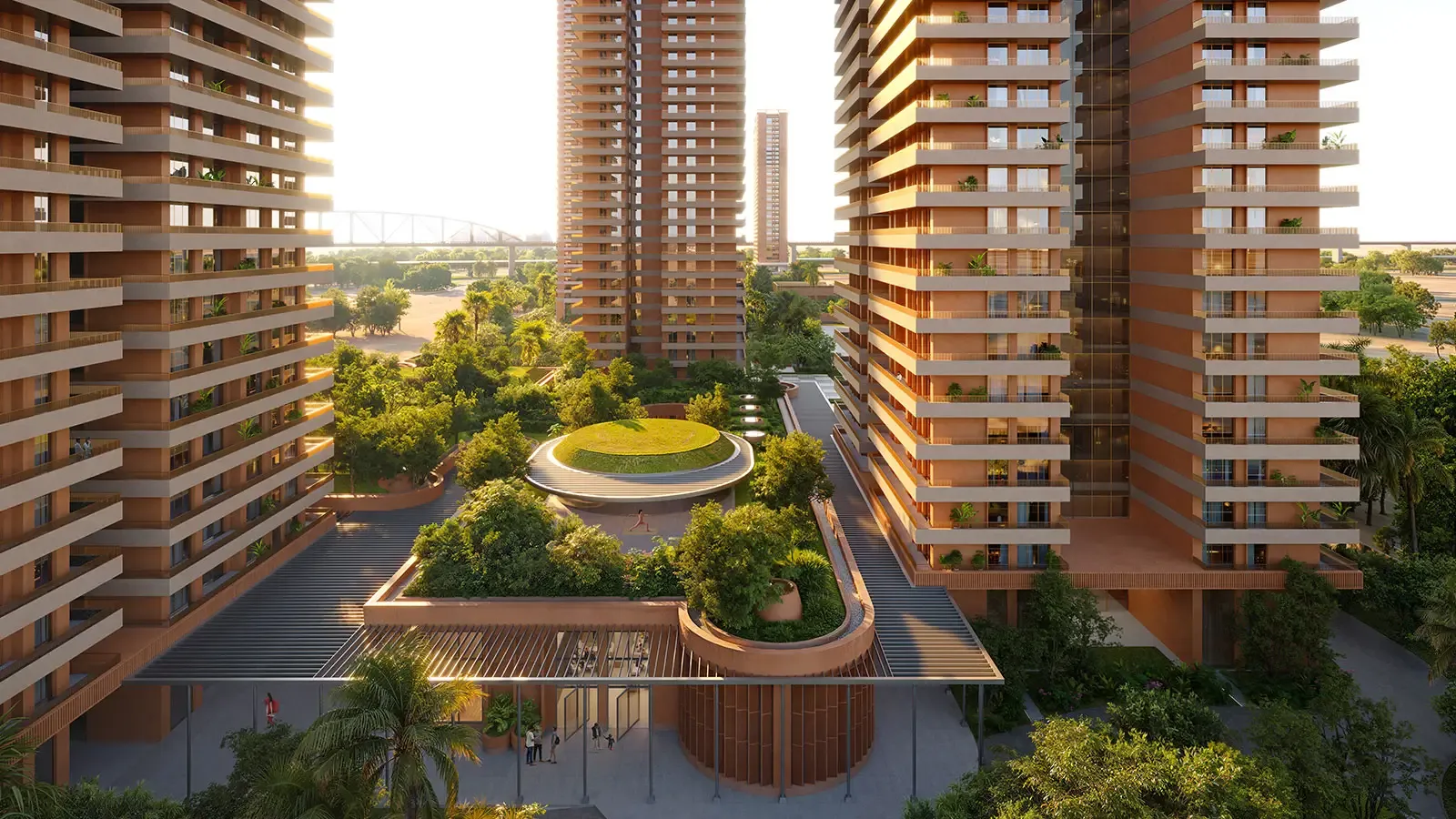
A restructuring move within a major residential development platform in Gurugram signals the growing role of institutional capital in shaping India’s urban real estate market. A leading property developer has approved a series of transactions that will transfer development rights of a residential project from its subsidiary to the parent company while simultaneously bringing in a strategic investment partner through a partial stake sale. According to disclosures reviewed by Urban Acres, the developer has entered into agreements to acquire a residential project from its subsidiary entity operating in Gurugram for a lump-sum consideration of ₹50 crore. The transaction involves a business transfer arrangement alongside development agreements that shift ownership and development control of the housing project to the parent company.
The move is part of a broader restructuring exercise that also alters the ownership structure of the subsidiary company managing the wider real estate platform. As part of the arrangement, the developer has approved the transfer of a substantial equity stake in the subsidiary to an institutional real estate investor. Once the transaction is completed, the subsidiary will no longer remain wholly owned by the developer. Financial disclosures indicate that the stake transfer forms part of a larger capital infusion plan valued at more than ₹1,200 crore. Most of the investment will flow into the platform through a fresh subscription of shares by the institutional partner, with a smaller portion arising from the purchase of existing equity from the promoter entity. Urban economists say such restructuring deals are becoming increasingly common in India’s rapidly expanding property markets, particularly in high-demand corridors such as Gurugram. By separating project assets from holding entities and inviting strategic investors at the platform level, developers can unlock capital to accelerate construction, improve financial discipline and scale new developments.
Gurugram has emerged as one of the most active residential real estate markets in North India, driven by strong demand from corporate professionals, improved expressway connectivity and sustained interest from institutional funds. Integrated residential clusters along emerging growth corridors are attracting long-term capital from domestic and global investors seeking exposure to India’s urban housing expansion. For developers, restructuring project platforms and bringing in financial partners also spreads risk while strengthening project delivery timelines. Industry analysts note that institutional participation often leads to greater transparency and improved governance standards, particularly in large township or mixed-use developments that require multi-year funding commitments. Urban planners highlight that such capital partnerships could play a critical role in supporting the next phase of city-building in rapidly urbanizing regions. As metropolitan areas like Gurugram expand outward, real estate projects increasingly require integrated infrastructure, sustainable design and responsible land use planning to support liveable urban communities.
While the restructuring transaction primarily addresses corporate ownership and capital flows, its wider significance lies in how financial partnerships are reshaping the delivery of housing in India’s largest metropolitan growth zones. Market observers say similar platform-level collaborations are likely to become a defining feature of future real estate development across major urban corridors.