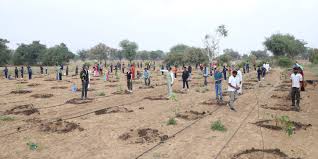
Gurugram Plantation Drive Near Sikanderpur Metro Promotes Green Living, Community Participation
Gurugram has witnessed a significant community-led initiative aimed at enhancing the city’s green cover, with a major plantation drive organised near a prominent metro station. This proactive environmental endeavour, spearheaded by a corporate social responsibility arm, saw enthusiastic participation from students and volunteers. Such initiatives are crucial for mitigating urban environmental challenges, fostering a healthier living environment, and advancing the city’s journey towards becoming a zero net carbon and eco-friendly urban centre.
The ‘Go Green’ initiative, a flagship programme, strategically targeted an open park adjoining the metro premises, a location vital for urban lung spaces. The collective effort to plant saplings in this area underscores a commitment to improving air quality and combating the urban heat island effect, direct contributions to a sustainable metropolitan ecosystem. Investing in urban greenery today is a tangible step towards ensuring a healthier and more resilient future for generations to come, aligning with global efforts to build climate-resilient cities.
The active involvement of students in this green initiative is particularly noteworthy. Their enthusiastic participation highlights the growing environmental consciousness among the younger generation and serves as a powerful testament to the importance of early education in ecological stewardship. Empowering youth to understand their role in environmental protection is fundamental to cultivating a citizenry that actively contributes to creating a cleaner, greener, and more equitable urban landscape, where environmental responsibility is a shared value.
Beyond this specific plantation drive, the organising entity consistently undertakes similar environmental programmes as part of its broader corporate social responsibility vision. These efforts extend to comprehensive welfare initiatives, including health campaigns, skill development courses for underprivileged youth, and vocational training programmes for women. Such holistic approaches are vital for empowering communities with skills for sustainable livelihoods, fostering gender-neutral development, and contributing to the socio-economic upliftment of marginalised sections of society.
The continuous commitment to enhancing the city’s green infrastructure, coupled with broader community welfare programmes, reflects a comprehensive approach to urban sustainability. By encouraging citizens to adopt eco-friendly practices in their daily lives and investing in both environmental and social capital, Gurugram is setting a precedent for holistic urban development. These initiatives are instrumental in building a city that is not only economically vibrant but also environmentally conscious and socially inclusive, ensuring a better quality of life for all its inhabitants.