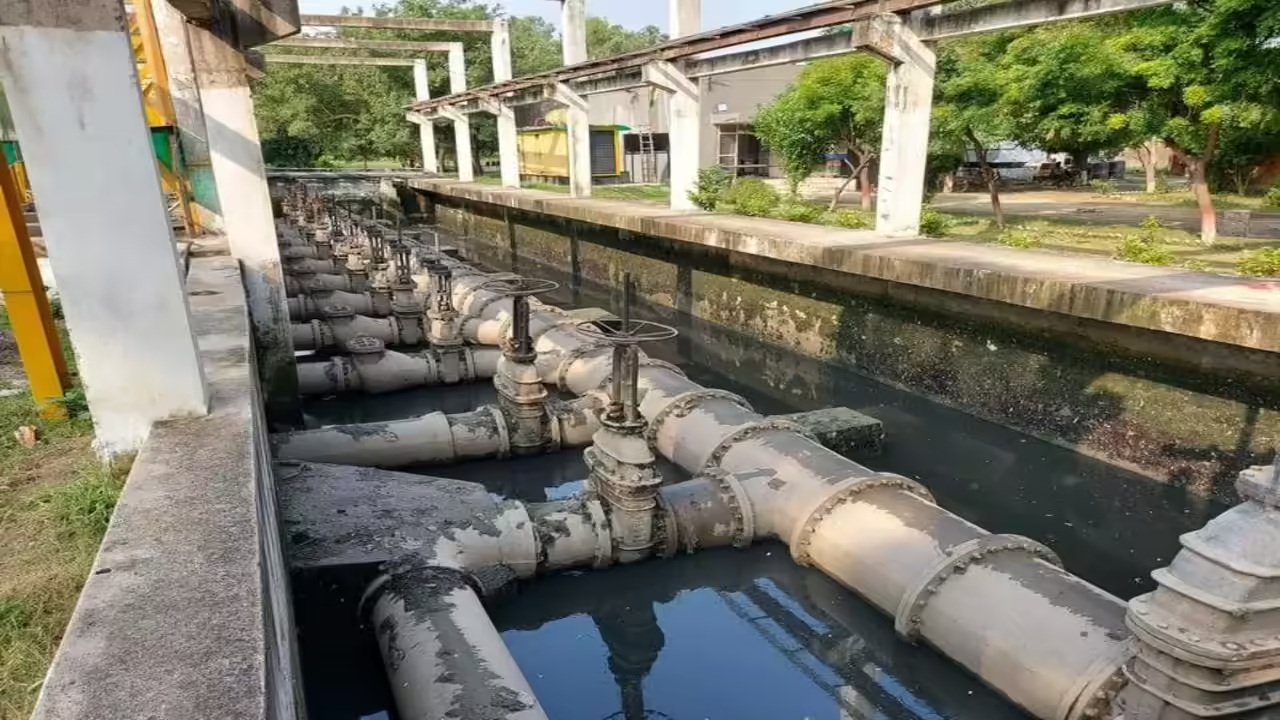
Gurugram Plans Major Dhanwapur Sewage Treatment Plant Upgrade
Urban infrastructure authorities in Gurugram are preparing to expand the city’s wastewater treatment capacity through a major Dhanwapur sewage treatment plant project aimed at improving sewer management and reducing pollution flowing into regional water bodies. The initiative proposes the construction of a new treatment facility with a capacity of 100 million litres per day (MLD), alongside a pumping station and a bio-energy unit designed to convert sewage sludge into renewable gas. Officials associated with the metropolitan development authority confirmed that the integrated project has an estimated investment of nearly ₹167 crore and will be placed before the state’s high-level procurement committee for final approval.
Once construction begins, the facility is expected to take approximately two years to complete, followed by a long-term operational phase managed under a decade-long maintenance contract. The proposed Dhanwapur sewage treatment plant will significantly expand Gurugram’s wastewater processing capacity. At present, the existing treatment facility in the area handles around 218 MLD of sewage. With the addition of the new plant, the total treatment capacity at the site is expected to reach 318 MLD, enabling the city to manage rising wastewater volumes generated by rapid urbanisation and expanding residential clusters. Urban infrastructure specialists say the increase in capacity is particularly important for sectors located in the newer parts of Gurugram, where residential development has grown rapidly in recent years. Sewage generated from multiple residential and commercial sectors is planned to be directed towards the upgraded facility to prevent untreated wastewater from entering stormwater drains or nearby waterways. The project will employ Sequencing Batch Reactor technology, an advanced wastewater treatment method widely used in modern sewage plants. This process treats sewage in timed cycles, enabling the removal of organic pollutants and suspended solids while producing treated water that can meet regulatory discharge standards.
Officials indicated that the treated water will be suitable for non-potable reuse applications such as landscape irrigation, reducing pressure on freshwater resources in the city. A notable component of the Dhanwapur sewage treatment plant plan is the development of a Bio-Compressed Biogas unit. The facility will process organic sludge generated during sewage treatment to produce methane-rich gas. Infrastructure planners estimate the plant could generate several thousand cubic metres of biogas, which can be supplied to urban gas distribution networks or utilised as a clean energy resource. Environmental planners note that integrating energy recovery within wastewater treatment systems reflects a broader shift toward circular urban infrastructure. By converting waste into renewable energy, cities can simultaneously reduce landfill burdens, cut emissions and improve resource efficiency. The initiative also forms part of wider regional efforts to improve water quality in the Yamuna river system. Untreated sewage remains one of the largest contributors to river pollution across northern India, making modern treatment infrastructure essential for long-term ecological restoration.
For Gurugram, where population growth and real estate expansion continue to place pressure on civic utilities, the Dhanwapur sewage treatment plant upgrade represents a critical step in strengthening environmental infrastructure. As cities across India pursue climate-resilient urban planning, integrated wastewater management systems are increasingly viewed as essential to sustainable urban growth and water security.