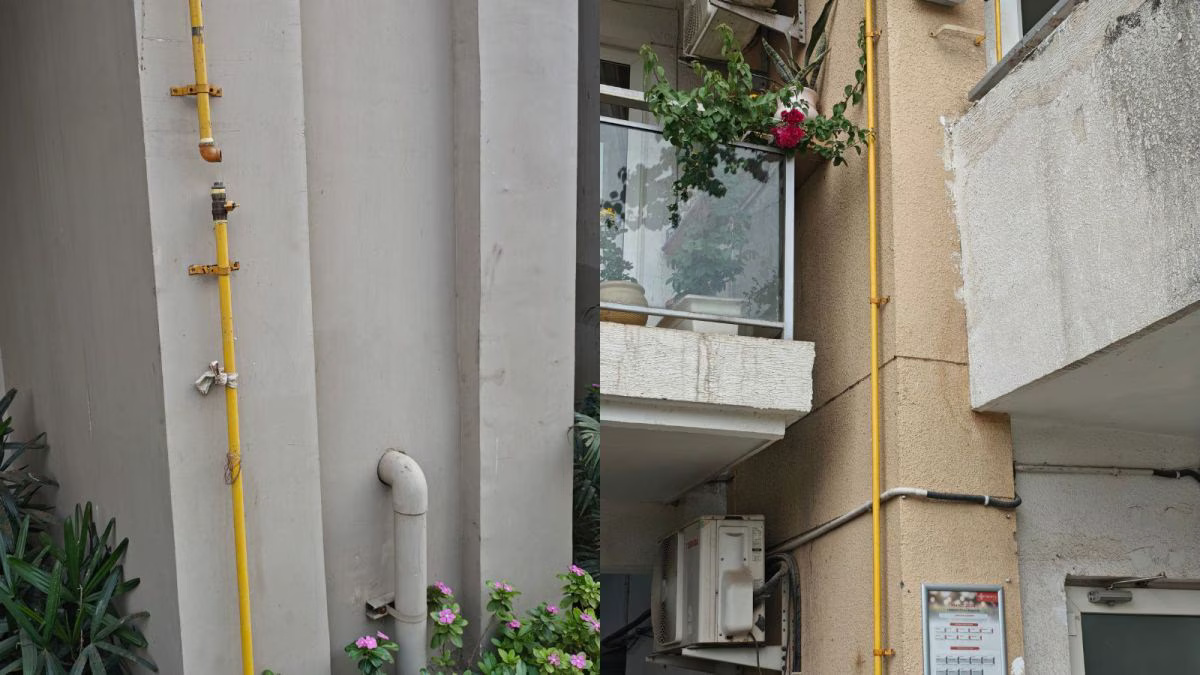
Authorities in Gurugram have begun enforcing a time-bound transition to piped natural gas across neighbourhoods where gas distribution networks are already operational, signalling a significant shift in the city’s urban energy strategy. The move aims to accelerate adoption of cleaner household fuel systems while gradually phasing out traditional cylinder-based supplies in areas equipped with pipeline infrastructure. Under the new directive, households located in zones serviced by authorised gas distribution networks will be required to apply for piped natural gas connections within three months of receiving formal communication from the designated utility provider. Officials overseeing the initiative say the transition window is designed to ensure orderly migration to a more efficient energy system without disrupting domestic consumption patterns.
Urban administrators describe the policy as part of a wider effort to modernise energy delivery in rapidly expanding metropolitan regions such as Gurugram. As residential densities rise and high-rise housing developments expand across the city, reliance on LPG cylinders has posed logistical challenges, including supply delays, safety risks during transportation and storage, and higher emissions compared with piped alternatives. City officials note that the introduction of piped natural gas connections allows continuous supply through an underground distribution network, reducing the need for frequent cylinder deliveries while improving household safety standards. The system also enables real-time monitoring and billing through metered consumption, aligning with broader digital infrastructure upgrades underway across urban utilities. Industry analysts point out that the transition also supports India’s broader urban sustainability objectives. Natural gas is considered a comparatively lower-carbon fossil fuel and is increasingly being promoted for domestic, commercial and transport use in cities aiming to reduce air pollution levels. Expanding PNG networks can also cut vehicular emissions linked to LPG cylinder logistics across dense neighbourhoods.
Authorities indicated that once the prescribed transition period ends in notified areas, LPG supply may gradually be withdrawn for properties that do not initiate the application process. Officials stress that the approach is intended to ensure efficient utilisation of existing gas pipeline infrastructure rather than to penalise residents. Residents seeking piped natural gas connections will need to submit documentation verifying their residential status and property ownership or authorised occupancy. These details enable the distribution utility to integrate the household into its billing and safety monitoring systems. Urban planners say such transitions represent a critical stage in building resilient city infrastructure. As Indian cities expand and energy demand rises, integrating cleaner and safer fuel networks into residential neighbourhoods can reduce environmental impacts while supporting more efficient service delivery.
With Gurugram continuing to grow as a major economic hub within the National Capital Region, the success of the PNG transition could serve as a model for other fast-urbanising cities seeking to balance infrastructure growth with environmental responsibility.