


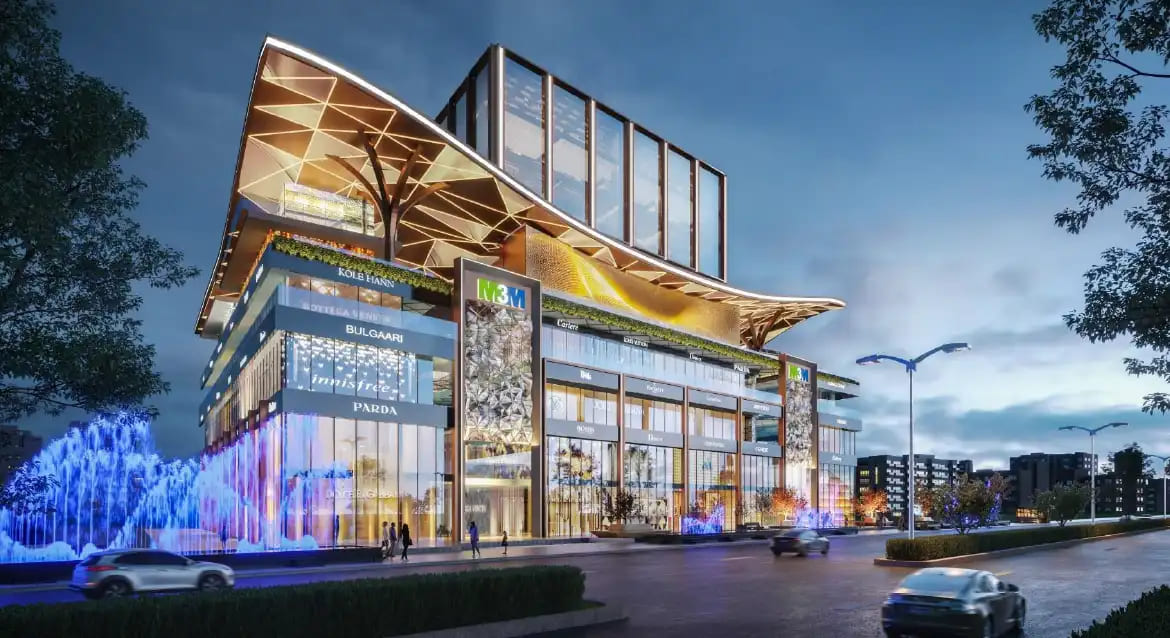
Gurugram’s Dwarka Expressway corridor is emerging as a focal point for high-value urban development, with a major mixed-use project now securing a large-scale construction mandate valued at nearly Rs 1,000 crore. The development, spread across a multi-phase township exceeding 50 acres, underscores growing confidence in integrated, infrastructure-led growth models within the National Capital Region.
The project, located in Sector 106 along the Dwarka Expressway, is planned as a high-density, mixed-use ecosystem combining residential, commercial, retail and hospitality functions. With a proposed built-up area of around 5.5 million square feet across current and future phases, the development reflects a broader shift in Gurugram’s real estate market towards compact, multi-functional urban districts designed to reduce commute times and optimise land use. Urban development experts note that such large-format projects are increasingly aligned with the region’s evolving infrastructure profile. The Dwarka Expressway, now operational across most stretches, has improved east–west connectivity between Gurugram and Delhi, reshaping land values and development feasibility in previously underutilised zones. This connectivity has made the corridor attractive for projects that integrate workplaces, residences and leisure within a single planning framework. What distinguishes this development is the involvement of multiple international design, engineering and environmental consultants specialising in architecture, landscape planning, façade engineering, structural systems, vertical transportation and microclimate optimisation. According to industry professionals, the growing reliance on global expertise reflects heightened expectations around safety, sustainability and long-term asset performance, particularly in high-rise and mixed-use environments.
Construction responsibilities have been awarded to a tier-one international contractor with long-standing operations in India, indicating a preference among developers for firms with experience in managing scale, technical complexity and phased execution. Analysts say this approach reduces execution risk in large projects where timelines, cost control and regulatory compliance are closely scrutinised by investors and buyers alike. The project also highlights a broader trend in Gurugram’s luxury segment: a move away from standalone residential towers towards integrated urban destinations. Such developments typically generate stronger economic spillovers by supporting local employment, retail ecosystems and hospitality activity, while also placing pressure on civic authorities to upgrade water, power, mobility and waste-management systems. From a sustainability and planning perspective, urban designers emphasise the importance of ensuring that high-density luxury developments incorporate climate-responsive design, efficient building systems and adequate public realm. As Gurugram continues to expand vertically and horizontally, the success of large mixed-use projects will increasingly depend on how well they integrate with public infrastructure and contribute to a more resilient urban fabric.
With several similar projects in the pipeline, the Dwarka Expressway belt is likely to remain a key test case for whether Gurugram can balance premium real estate growth with inclusive, well-governed and infrastructure-aligned urban development.
Also Read: Bengaluru Premium Residential Market Shows Mature Growth
Gurugram Mixed Use Project Signals Luxury Shift
