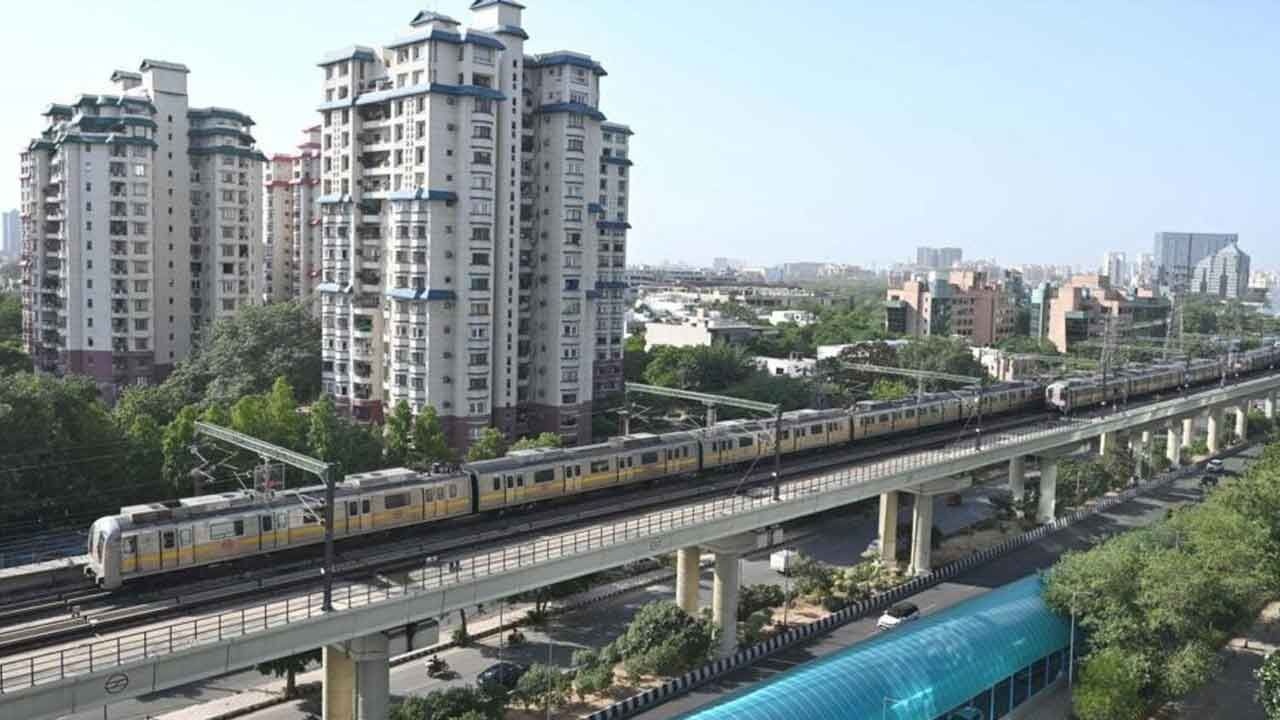
Gurugram Metro Funding Model Taps Real Estate Growth
A proposal to reshape how urban transport is financed in Gurugram is under active consideration, with authorities exploring new revenue streams tied to property transactions and development rights. The plan, centred on Gurugram metro funding, could influence both real estate pricing and infrastructure delivery across one of India’s fastest-growing urban corridors. Officials familiar with the discussions indicate that the city’s metro agency has proposed a modest surcharge on stamp duty for property registrations, alongside a share in revenue generated from high-density development zones near transit corridors. While still under review, the approach reflects a broader shift towards value capture financing—where infrastructure projects are partly funded by the economic gains they help create.
In Gurugram, where rapid urbanization has been driven by private real estate investment, linking metro expansion with property-based revenues is seen as a way to ensure long-term financial sustainability. Urban planners note that such models are increasingly common in global cities, where transit-oriented development encourages compact, mixed-use neighbourhoods while reducing reliance on private vehicles. The proposed framework also includes a redistribution of proceeds collected from additional construction rights in areas located within walking distance of metro lines. A portion of these funds could be directed towards metro development and operations, while the remainder may support essential urban services such as water supply, drainage, and road networks in high-density zones. This dual allocation highlights a key challenge for growing cities—balancing infrastructure expansion with service capacity. Experts point out that without parallel investment in utilities, dense development can strain existing systems, undermining both liveability and environmental goals. By tying metro funding to broader urban infrastructure upgrades, the model attempts to address this gap.
However, the proposal has implications for homebuyers and developers. Any increase in transaction-linked charges may marginally raise acquisition costs, particularly in premium micro-markets already experiencing high demand. At the same time, improved transit connectivity often enhances property values, potentially offsetting initial cost increases over the long term. From a governance perspective, the discussions underline the complexity of coordinating multiple agencies responsible for urban development, transport, and revenue collection. Policy experts suggest that clear institutional frameworks and transparent fund allocation will be critical to ensure that Gurugram metro funding delivers measurable outcomes. The move also aligns with broader sustainability goals. Expanding metro networks and promoting transit-oriented development can reduce vehicular emissions, improve air quality, and support more inclusive access to jobs and services—key priorities for climate-resilient urban growth.
As state authorities evaluate the financial and regulatory aspects of the proposal, the outcome could shape not just Gurugram’s metro expansion, but also set a precedent for funding urban infrastructure in other Indian cities. The next phase will depend on how effectively policy, planning, and market realities are aligned to support both growth and affordability.