


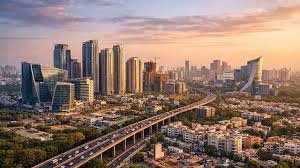
A high-value residential transaction in Gurugram’s Golf Course Road corridor has drawn attention to the city’s accelerating luxury real estate momentum, after a senior executive at Berkshire Hathaway acquired an ultra-premium apartment for approximately Rs 85 crore.
The residence is located at DLF The Camellias, a high-end condominium development widely regarded as among India’s most expensive addresses. The apartment spans roughly 7,400 sq ft, translating to a per square foot value that places it in the top tier of domestic residential pricing. The buyer, an India-born vice chairman at Berkshire Hathaway and a long-time lieutenant of global investor Warren Buffett, is considered one of the most influential figures in international insurance and risk management. Market observers say such purchases by globally recognised financial leaders often reflect confidence in long-term urban stability rather than short-term speculation. Gurugram’s rise as a luxury real estate destination has been underpinned by a combination of infrastructure upgrades and planned urban expansion. Improved connectivity through expressways, metro extensions and proximity to Delhi’s international airport have reshaped residential preferences among senior corporate executives, startup founders and globally mobile professionals.
Industry data indicates that in 2025, Gurugram recorded ultra-premium home sales exceeding ₹10 crore that outpaced comparable transactions in Mumbai. Analysts attribute this shift to larger land parcels, integrated gated developments and relatively newer building stock compared to older redevelopment-led micro-markets in established metros. Unlike traditional bungalows or standalone villas, high-rise “vertical luxury” formats now dominate the segment. Developers are offering expansive layouts, concierge services, wellness amenities and landscaped open areas designed to match international standards. Real estate consultants say global Indians and non-resident buyers increasingly seek managed communities that balance privacy with security and shared infrastructure. Urban planners caution that sustaining luxury growth must align with broader city-building objectives. Gurugram’s rapid expansion has placed pressure on water management, traffic systems and environmental buffers. Long-term resilience will depend on coordinated planning by the Haryana Shahari Vikas Pradhikaran and other civic bodies to ensure infrastructure keeps pace with high-density residential supply. The transaction underscores how capital flows into marquee projects can elevate a city’s brand perception. Yet experts note that sustained credibility for Gurugram’s luxury real estate market will hinge not only on headline deals, but on service reliability, public realm quality and climate-responsive urban design.
As India’s high-net-worth population expands and global professionals retain ties to domestic markets, Gurugram appears positioned to remain a key node in the country’s premium housing landscape provided its infrastructure and governance frameworks mature alongside its skyline.
Also Read: NAREDCO Calls For Affordable Housing Reset
Gurugram Luxury Real Estate Signals Confidence
