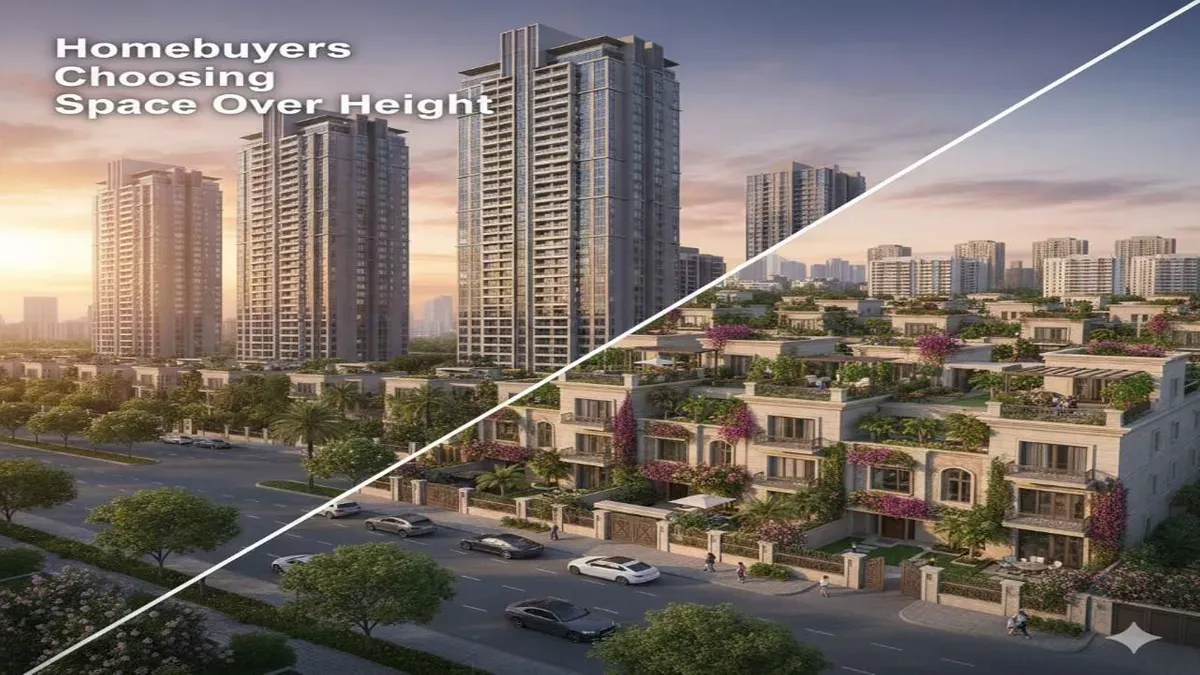
Gurugram’s high-end residential market is entering a new phase where intelligent design and technology-driven living are becoming central to luxury housing developments, reshaping how premium homes are conceptualised in India’s fastest-growing corporate city.
Real estate analysts say the transformation reflects a broader shift in buyer expectations. Affluent homebuyers, including entrepreneurs, professionals and global investors, are no longer seeking only large apartments and premium locations. Instead, demand is moving toward residences that integrate smart technology, sustainability features and lifestyle-oriented amenities into the design of urban living spaces. The trend is particularly visible in Gurugram, where luxury housing demand has surged in recent years alongside the city’s rise as a corporate and financial hub within the National Capital Region. According to property market studies, Gurugram accounted for a significant share of premium housing sales in India’s top urban markets in recent years, reflecting strong demand for upscale residential developments.
Developers are increasingly responding by integrating advanced architectural planning with digital technologies. Modern luxury homes in the city are being designed with smart home automation systems that allow residents to manage lighting, climate control, security and energy consumption through connected devices. These technologies are gradually transitioning from niche luxury features to standard elements of high-end housing projects. Urban design specialists note that this evolution is part of a broader global shift in real estate development, where intelligent design blends aesthetics, functionality and sustainability. In Gurugram’s emerging residential corridors such as Golf Course Extension Road and the Dwarka Expressway region, new developments are increasingly planned as integrated communities rather than standalone residential towers.
These communities typically combine landscaped open spaces, wellness facilities, co-working zones and pedestrian-friendly layouts to create neighbourhood environments that support modern urban lifestyles. Many projects also incorporate energy-efficient building materials, rainwater harvesting systems and green landscaping to reduce environmental impact while maintaining premium living standards. The evolution of Gurugram luxury housing is also closely tied to infrastructure growth across the city. Improved metro connectivity, expanding road networks and proximity to the national capital’s international airport have made Gurugram an attractive destination for both domestic and international property buyers. Such connectivity advantages are encouraging developers to launch large-scale residential projects designed to attract high-value homebuyers and global investors.
Industry experts point out that lifestyle preferences are also changing among younger high-income professionals working in multinational companies and technology firms. Many buyers now prioritise convenience, digital connectivity and community amenities alongside traditional markers of luxury such as location and exclusivity. This demand is encouraging developers to collaborate with global design firms, technology providers and sustainability consultants to create residences that combine architectural innovation with smart infrastructure. As a result, the concept of luxury housing in Gurugram is gradually shifting from size and opulence to intelligent, future-ready living environments.
With infrastructure expansion continuing across the National Capital Region, property analysts expect Gurugram to remain one of India’s most dynamic luxury housing markets. The integration of intelligent design, digital systems and environmentally responsible planning is likely to define the next generation of residential development in the city.