


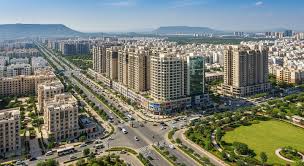
A social media post by a mid-career professional in Gurugram has reignited a long-standing debate in India’s urban housing markets: do apartments genuinely generate wealth, or do they primarily offer lifestyle security and stability. The discussion comes at a time when residential prices across major cities have risen sharply, testing affordability while reshaping expectations of property-led wealth creation.
The online post described a home purchase made two years ago at an all-inclusive cost exceeding Rs 2 crore, partly funded through a home loan. The buyer claimed the apartment’s value has since increased substantially, aided by falling interest rates and a reduction in outstanding debt. The post quickly gained traction, prompting broader questions about whether short-term price appreciation translates into real financial gains. Urban economists and housing analysts caution that early price movements can be misleading. “Residential property wealth is rarely created over two or three years,” said an industry expert. “Sustained returns typically depend on holding quality assets across full market cycles, often spanning 15 to 20 years.” Apartments, they note, are particularly sensitive to location maturity, infrastructure saturation, and supply additions. Liquidity emerged as a central concern in the discussion. Unlike financial assets, homes cannot be sold instantly at quoted prices. Market participants highlighted that listings often remain unsold for months, even when advertised at optimistic valuations. “Paper gains are not realised gains,” said a housing consultant, pointing out that transaction costs, taxes, and price negotiations can significantly erode returns.
Another recurring theme was the distinction between land and built assets. While land values tend to appreciate over time, apartment structures depreciate, requiring ongoing maintenance and upgrades. Once neighbourhood infrastructure stabilises, price growth often slows. Analysts argue this makes apartments less suitable for speculative investment compared to land or income-generating commercial assets. That said, many voices stressed that evaluating owner-occupied homes purely as investments misses their broader economic and social value. Housing security shields families from rental volatility, long commutes, and frequent displacement factors that increasingly shape urban wellbeing. “For end users, the avoided cost of rent and the stability of ownership are tangible returns,” an urban planner observed. In rapidly densifying cities such as Gurugram, apartment living also supports more efficient land use and shared infrastructure, aligning with sustainable urban growth goals. Compact housing reduces per-capita resource consumption and can improve access to transport, services, and employment hubs when planned well.
As India’s cities continue to expand, experts suggest reframing the question. Apartments may not always outperform financial instruments in pure return terms, but they play a crucial role in household stability and inclusive urban development. “Homes are part balance sheet, part social infrastructure,” said a senior policy analyst. “Understanding both dimensions is essential for building resilient, equitable cities.”
Also Read: Chennai Authorities Plan Measures As Central Station Bus Bays Overcrowded
Gurugram Homebuyer Reddit Post Sparks Debate On Short Term Property Gains
