Gurugram Faridabad Metro Corridor To Use Namo Tracks
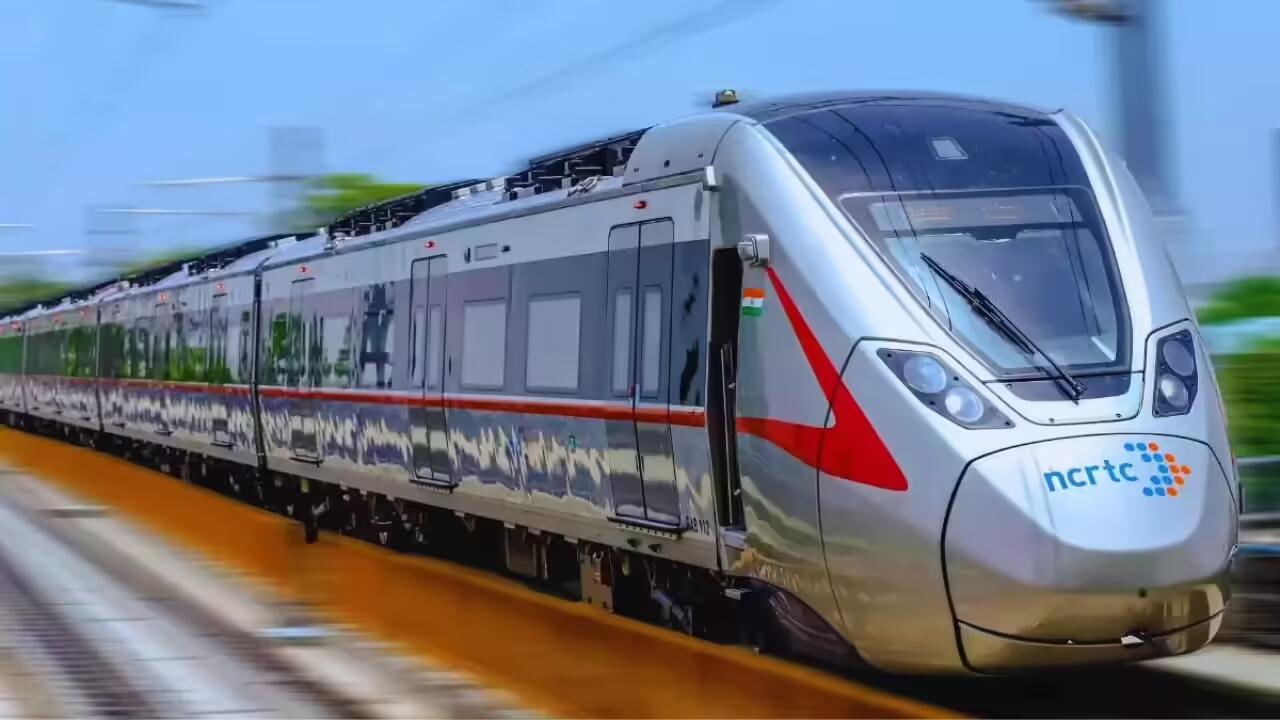
A proposed rapid transit link between Gurugram and Faridabad is being designed to run on the existing Namo Bharat network, signalling a shift towards integrated, cost-efficient urban mobility planning across the National Capital Region. The Gurugram Faridabad metro corridor, currently at a planning stage, is expected to include around 18 stations and aims to ease one of the region’s most underserved intercity travel routes.The project’s defining feature is its reliance on shared infrastructure rather than building a standalone metro line. By leveraging the high-speed regional transit system, planners intend to reduce both capital costs and construction timelines—an approach increasingly being considered in congested urban regions where land acquisition and execution delays are common.
Connectivity between Gurugram and Faridabad has long been constrained by road-dependent travel, with commuters often facing unpredictable journey times due to traffic congestion. Urban mobility experts note that the Gurugram Faridabad metro corridor could significantly improve accessibility between residential clusters, employment hubs and industrial zones, thereby supporting more balanced economic activity across the NCR. The proposed alignment is expected to pass through key growth corridors, linking emerging real estate zones with established commercial districts. This could have implications for land values and development patterns, as improved transit connectivity often drives demand for transit-oriented development. Planners suggest that integrating housing, workplaces and mobility infrastructure is essential for reducing commute distances and lowering urban carbon emissions. Using the Namo Bharat system—designed for faster, intercity travel—also points to a broader strategy of blending regional and intra-city transit. Transport analysts highlight that such interoperability can enhance network efficiency, provided operational coordination and scheduling are managed effectively.
From an environmental perspective, the Gurugram Faridabad metro corridor could contribute to reduced vehicular dependence, especially for daily commuters. A shift from private vehicles to high-capacity public transport is critical in addressing congestion, air pollution and fuel consumption in the NCR, one of India’s most vehicle-intensive regions. However, experts caution that successful implementation will depend on detailed planning, including last-mile connectivity, station accessibility and fare integration. Without these, even well-designed corridors risk underutilisation. Additionally, institutional coordination between multiple agencies will be key, given the intercity nature of the project. While timelines and execution frameworks are yet to be finalised, the proposal reflects a growing emphasis on multimodal, scalable transport solutions in India’s urban policy landscape.
As cities expand beyond administrative boundaries, such corridors are likely to play a central role in shaping sustainable and inclusive mobility systems. If executed effectively, the Gurugram Faridabad metro corridor could become a template for future transit projects that prioritise efficiency, integration and long-term urban resilience.