


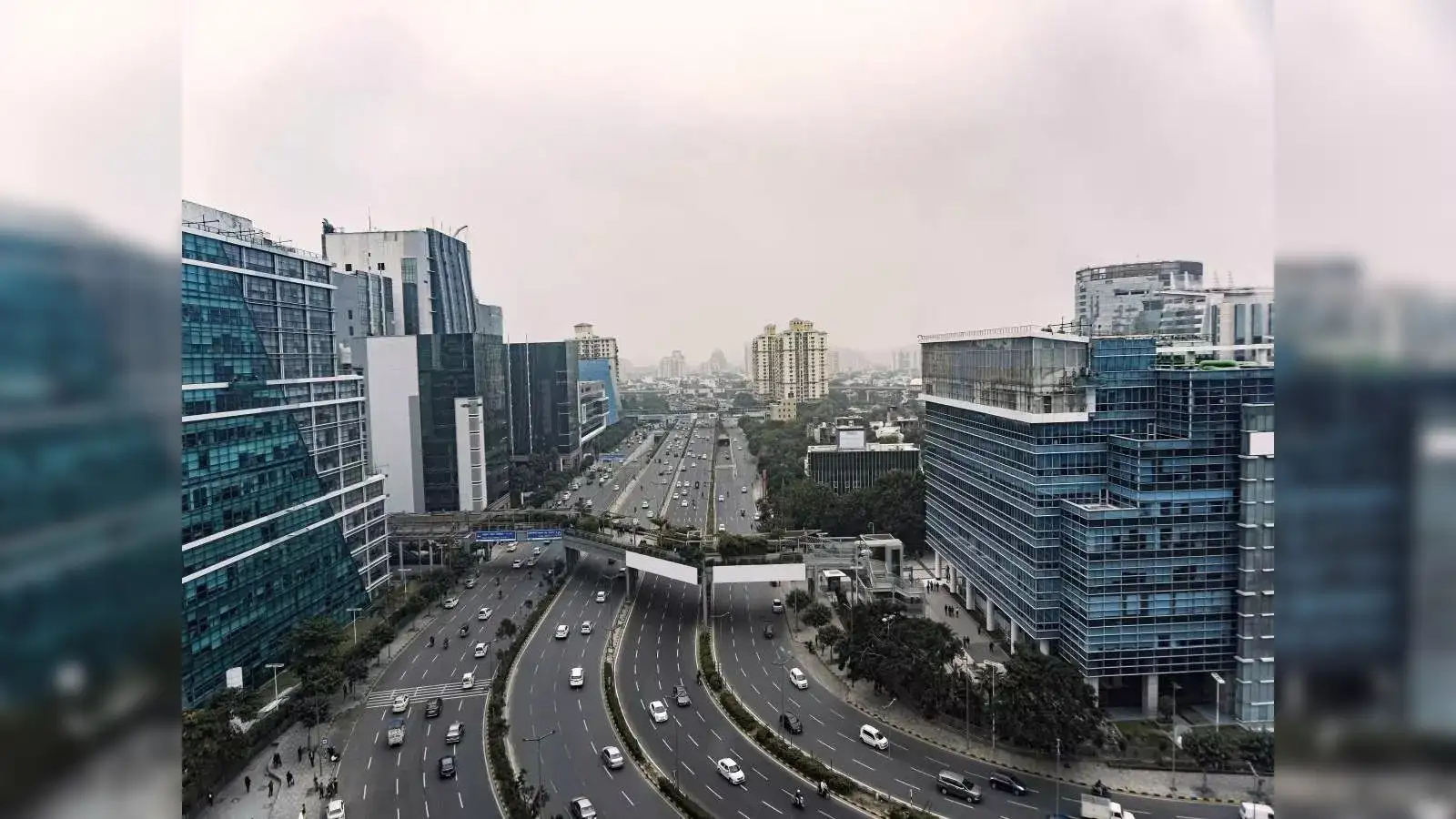
A large institutional transaction in Gurugram’s office market has underscored a shifting phase in India’s commercial real estate cycle, with a 1.9 million sq ft technology-focused business park changing ownership in a Rs 2,050 crore deal. The transaction reflects how global developers are recalibrating portfolios amid evolving workplace patterns, while domestic alternative asset managers deepen their presence in income-generating urban assets.
The asset, located in one of Gurugram’s established commercial corridors, is fully operational and anchored by long-term occupiers from the healthcare, manufacturing, and digital services sectors. Industry observers say the deal highlights continued investor confidence in well-leased, transit-connected office campuses even as hybrid work models influence tenant space strategies across Indian cities. Market participants note that such exits are increasingly part of structured capital recycling strategies rather than signs of weakening fundamentals. By monetising stabilised assets, global developers are freeing up capital for emerging growth segments including data infrastructure, logistics, and next-generation business districts aligned with sustainability and digital economy needs. In recent years, institutional owners have faced a more selective leasing environment, where tenants prioritise energy efficiency, flexible layouts, and proximity to talent pools. Assets that meet these benchmarks continue to command interest, while older stock is being actively rebalanced through secondary market transactions. Urban planners argue this churn plays a constructive role by pushing cities toward higher-quality commercial ecosystems.
For the acquiring platform, the purchase marks a strategic addition to a growing portfolio of yield-oriented office assets across India’s major employment hubs. Alternative investment managers have steadily expanded allocations to Indian offices, supported by predictable rental cash flows, improving governance standards, and long-term demand from global capability centres. Analysts point out that such acquisitions also reflect rising appetite from domestic and overseas investors seeking inflation-hedged returns linked to urban economic growth. The deal also fits into a broader pattern of institutional reshaping underway in Gurugram and the wider National Capital Region. With infrastructure upgrades, metro connectivity, and mixed-use zoning gaining momentum, the region remains a magnet for large-format commercial investments. However, experts caution that future value creation will depend on sustainable design, efficient energy use, and integration with public transport factors increasingly influencing both tenants and capital providers.
Looking ahead, continued deal activity in India’s office sector is expected through 2026, particularly as alternative asset managers deploy fresh capital raised for real assets. For cities like Gurugram, such transactions signal not just capital movement, but an ongoing evolution toward more resilient, professionally managed, and future-ready commercial districts.
Also Read: DRA Homes Strengthens Land Acquisition Through NCDs
Gurugram Commercial Asset Changes Hands In Rs 2050 Crore Deal
