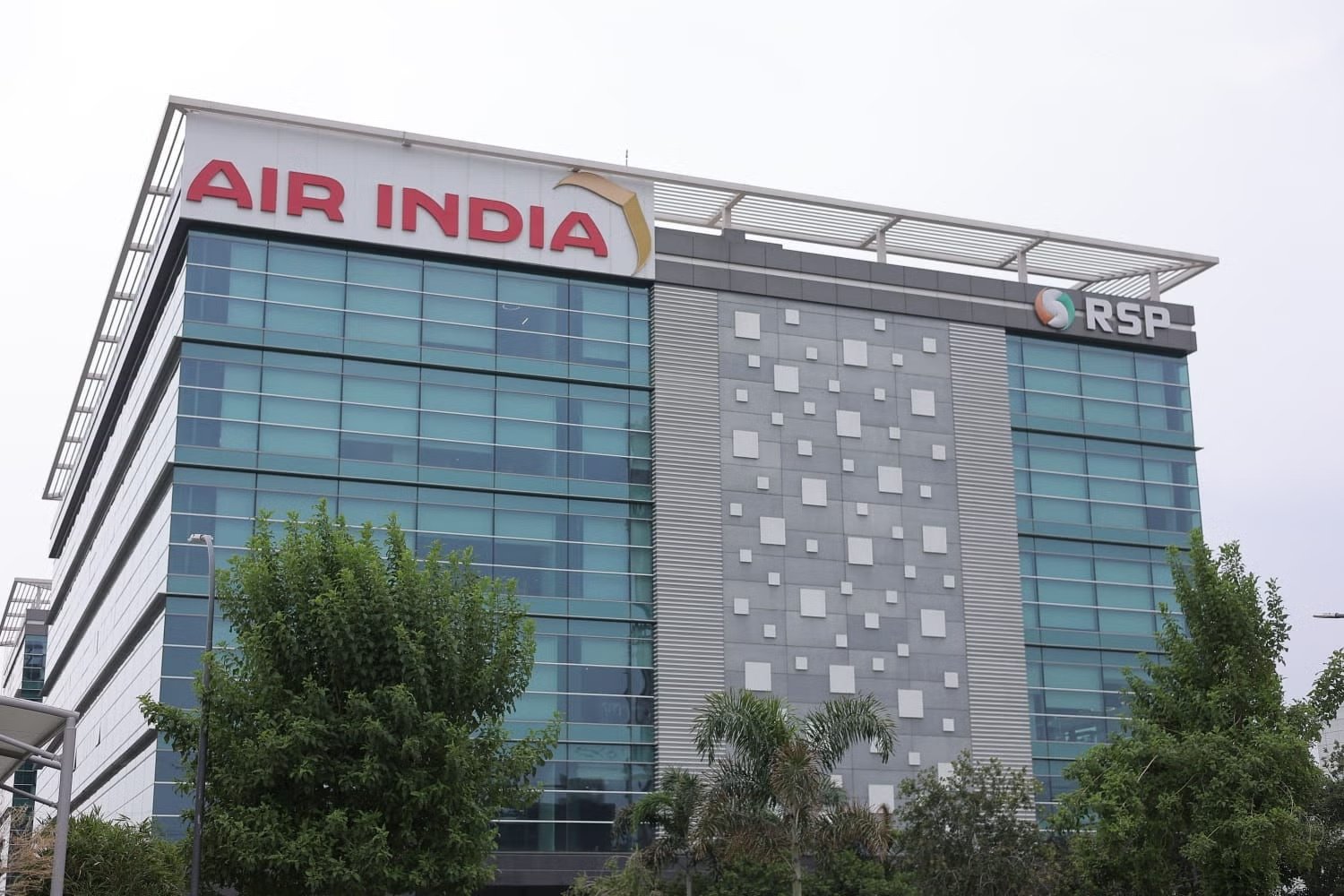
A major aviation company’s plan to build a consolidated corporate campus in Gurugram signals a shift in how large enterprises are rethinking office infrastructure, with implications for urban planning, commercial real estate demand, and workforce ecosystems in the National Capital Region. The proposed development, spread across more than 4.5 acres in a prime Gurugram sector, will bring together the airline’s headquarters functions and training facilities into a single integrated campus over the next few years. The move reflects a broader trend among large organizations to centralize operations, streamline collaboration, and optimize land use in rapidly urbanizing business districts.
Urban planners note that such an integrated aviation campus model aligns with evolving workplace strategies, where decentralised office clusters are replaced by unified environments that combine administration, training, and innovation functions. This approach reduces logistical inefficiencies while creating opportunities for shared infrastructure, including energy systems, transport connectivity, and digital networks. From a real estate perspective, the project underscores Gurugram’s continued appeal as a corporate hub, driven by proximity to the national capital, access to airports, and established commercial corridors. Industry experts suggest that the integrated aviation campus could influence demand patterns in surrounding micro-markets, particularly for Grade A office spaces, rental housing, and hospitality services catering to employees and visiting professionals. The consolidation of training centres within the same campus also highlights the growing importance of workforce development infrastructure in India’s aviation sector. As airlines expand operations and fleets, the need for continuous skill-building and simulation-based learning has increased.
Locating these facilities alongside headquarters can improve coordination and reduce operational downtime, according to sector specialists. At a city level, such developments present both opportunities and challenges. While integrated campuses can reduce intra-city commuting by concentrating functions in one location, they also require careful planning around traffic management, public transport access, and environmental sustainability. Experts emphasize that large campuses must incorporate green building practices, water efficiency systems, and renewable energy integration to align with long-term climate goals. The project’s timeline of three to five years reflects the complexity of building modern corporate ecosystems that balance operational efficiency with sustainability expectations. Analysts point out that if executed with low-carbon design principles, the campus could serve as a benchmark for future commercial developments in India’s urban centers.
As Gurugram continues to evolve as a business and aviation services hub, the emergence of integrated corporate campuses may redefine how companies engage with the built environment. The success of such projects will likely depend on how effectively they integrate with city infrastructure while supporting economic growth and workforce well-being.