Gurugram Approves Rs 282 Crore Civic Infrastructure Works
Gurugram’s municipal administration has cleared a large package of civic works worth approximately ₹282 crore, signalling a renewed push to strengthen basic infrastructure in one of India’s fastest-growing urban corridors. The approvals cover dozens of projects across both established neighbourhoods and newly expanding residential zones, with a focus on improving roads, water supply, drainage systems and waste management infrastructure. Urban officials confirmed that the proposals were cleared during a recent meeting of the municipal corporation’s finance and contracts committee, which reviews large capital expenditures. The approved initiatives are expected to address longstanding civic gaps in sectors that have experienced rapid population growth alongside intense real estate development.
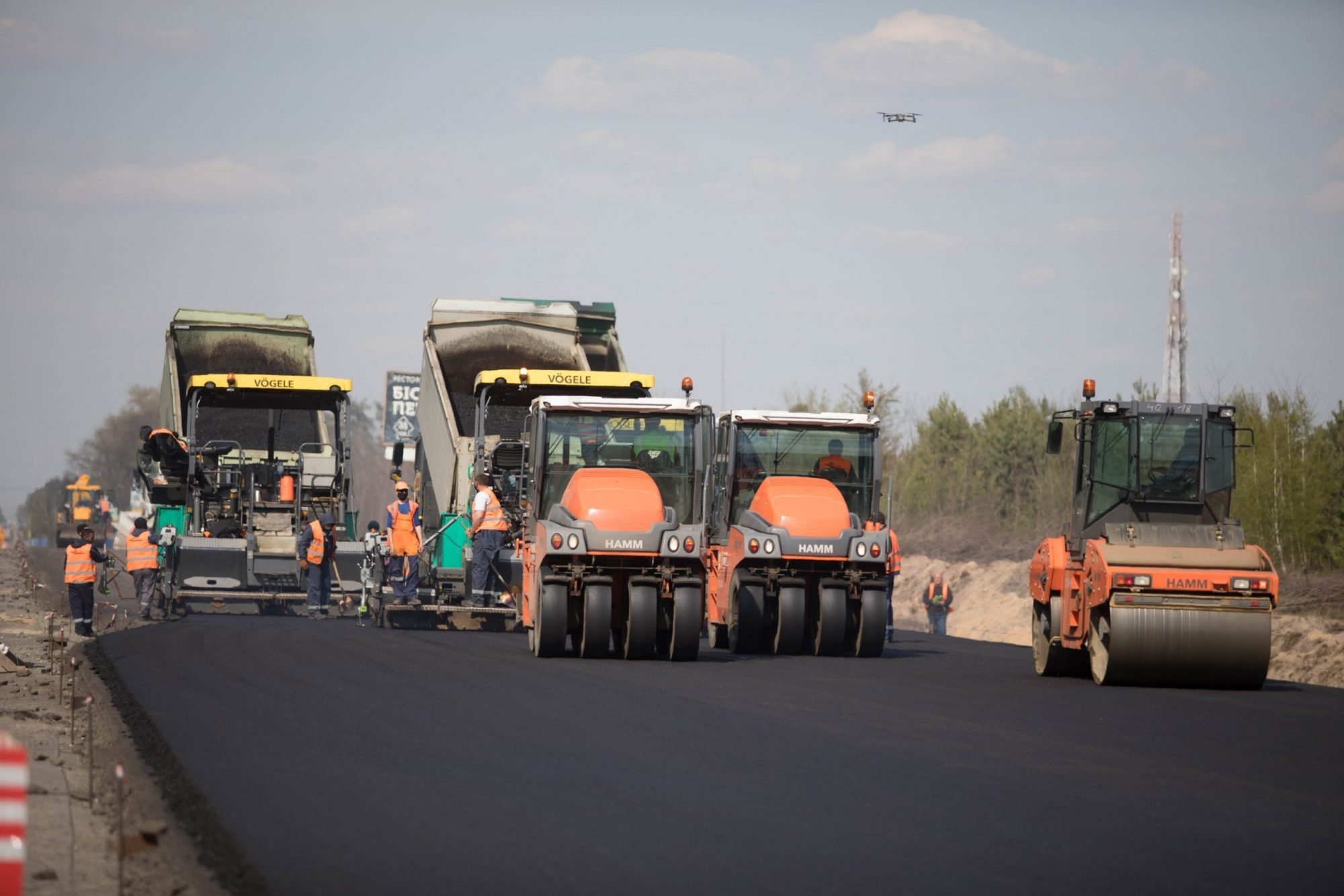
A significant portion of the investment will be directed toward Gurugram infrastructure projects involving road construction, resurfacing and junction improvements in residential sectors including 46, 47 and 51. These corridors have witnessed rising traffic volumes due to new housing clusters and commercial activity, placing pressure on ageing road networks originally designed for smaller populations. Municipal engineers say road upgrades will be accompanied by improvements to underground utilities to avoid repeated excavation and disruption. Urban planners increasingly advocate such integrated infrastructure planning, particularly in high-density urban regions where fragmented construction can strain mobility and civic services. Water supply augmentation and expansion of sewerage pipelines also form a major part of the Gurugram infrastructure projects pipeline. Officials indicate that several villages and recently developed colonies will receive upgrades to water distribution systems and sanitation infrastructure, which remain uneven in parts of the city despite Gurugram’s strong economic growth. Drainage improvements are another critical focus area. Seasonal flooding and waterlogging have emerged as recurring challenges during the monsoon, particularly in low-lying neighbourhoods and market districts.
To mitigate this, the municipal authority plans to strengthen stormwater drainage networks and redesign vulnerable stretches to improve runoff management. Urban environment measures have also been included in the latest investment cycle. Civic authorities intend to deploy anti-smog equipment to help manage particulate pollution during peak winter months, alongside upgrades to secondary waste collection centres aimed at improving solid waste segregation and transport. Commercial neighbourhoods will see a parallel set of improvements designed to enhance pedestrian accessibility and urban design. Market clusters in sectors such as 31 and 45 are expected to undergo public realm upgrades, including better parking arrangements and streetscape improvements that aim to support local economic activity while reducing informal congestion. Urban development experts note that Gurugram’s rapid transformation into a major corporate and residential hub has outpaced civic infrastructure in several pockets. Investments in core services such as drainage, sanitation and mobility infrastructure are therefore essential to sustain long-term urban growth and ensure resilience against climate-related stresses like flooding and air pollution.
If executed efficiently, the new round of Gurugram infrastructure projects could strengthen everyday urban services for residents while improving the functioning of neighbourhood markets and mobility corridors. However, planners emphasise that long-term sustainability will depend not only on new construction but also on consistent maintenance, integrated planning and stronger coordination between municipal agencies managing the city’s expanding built environment.