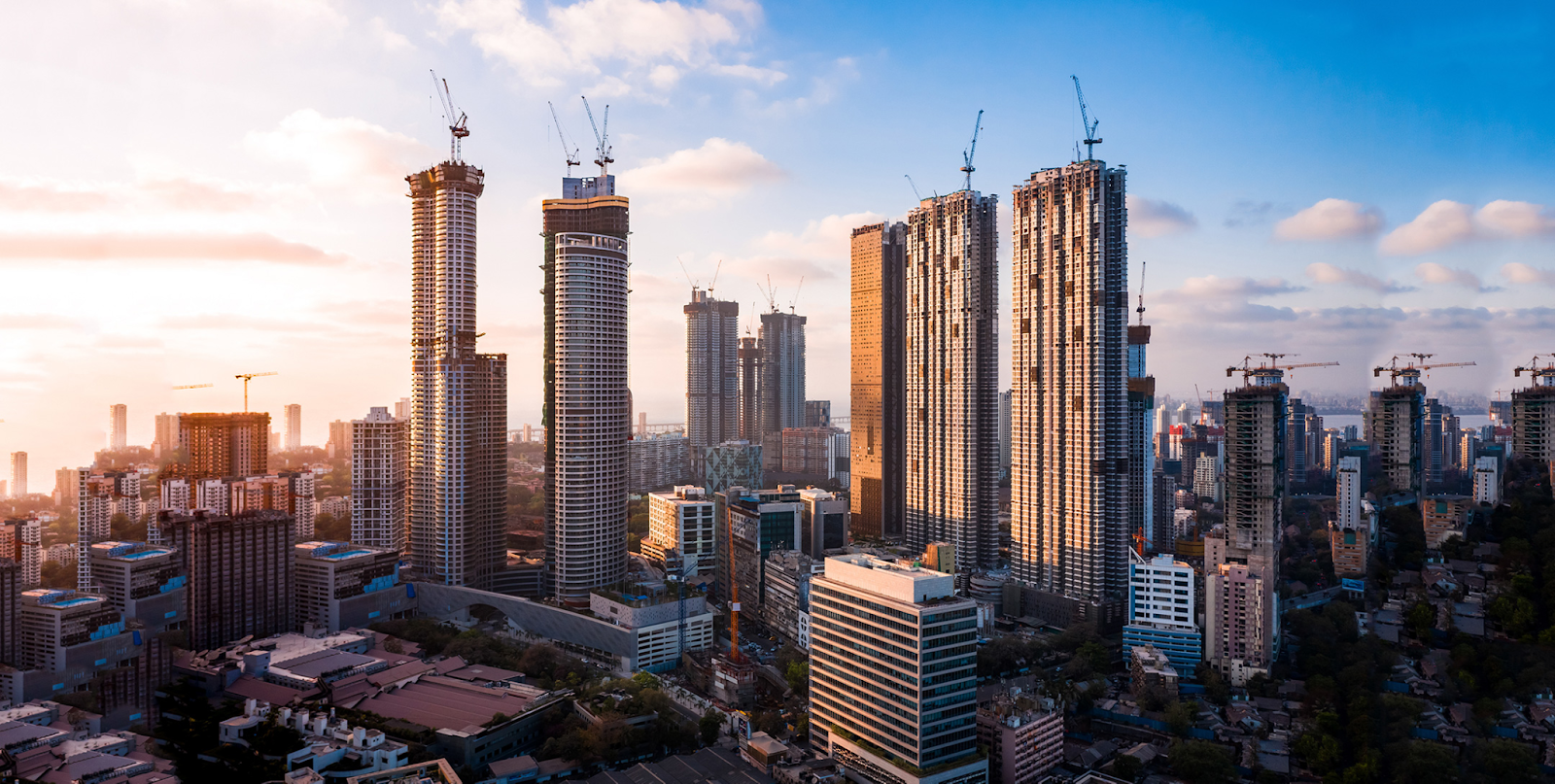
Gurugram and Tier Two Cities Drive Premium Housing Growth
Urban India is witnessing a noticeable expansion in high-value residential real estate, with apartments priced between ₹5 crore and ₹25 crore gaining traction not only in major metropolitan centres but also in emerging urban markets. The growth reflects a combination of rising disposable incomes, evolving lifestyle preferences, and strategic investment decisions among affluent buyers.
In Mumbai, Gurugram, and Bengaluru, luxury housing demand continues to mirror trends in global cities, yet the appetite for premium properties is increasingly evident in smaller cities such as Coimbatore, Indore, and Panchkula. Urban planners and real estate experts attribute this shift to enhanced infrastructure, improving connectivity, and an expanding local economy that supports high-end housing. The trend suggests that premium residential development is no longer confined to traditional metro corridors.
Industry analysts note that a substantial proportion of buyers are senior professionals, entrepreneurs, and technology sector executives who view luxury homes as long-term wealth stores. Beyond personal comfort, these apartments serve as strategic asset allocations, offering both stability and potential appreciation in value. In addition, non-resident Indians and high-net-worth individuals are diversifying portfolios through Indian luxury real estate, attracted by favourable rental yields and long-term capital growth prospects. This dual appeal residential and investment is driving steady demand despite high price points. The pandemic has also altered buyer priorities. Whereas earlier location was the principal factor, privacy, spacious layouts, and access to wellness amenities have now emerged as decisive considerations. Gated communities with integrated green spaces and climate-conscious infrastructure are increasingly sought after, reflecting broader societal trends toward sustainable, people-focused urban development. Experts highlight that these features align with the principles of zero-carbon, climate-resilient cities while catering to affluent residents’ expectations of safety and quality of life.
Smaller cities are benefiting from this migration of luxury demand, experiencing accelerated property appreciation. Local authorities and developers are responding with improved transport links, smart utilities, and mixed-use developments that integrate commercial and residential functions. While this growth signals robust economic activity, urban planners caution that maintaining inclusive, equitable development will be critical to ensuring that these cities remain accessible to a broader population. As luxury housing expands across both large and emerging urban markets, the trend underscores a broader evolution of Indian cities: one in which economic prosperity, infrastructure development, and climate-sensitive planning intersect. Observers suggest that sustained investment in green, high-quality urban spaces will be central to balancing the ambitions of elite homebuyers with long-term civic sustainability.