


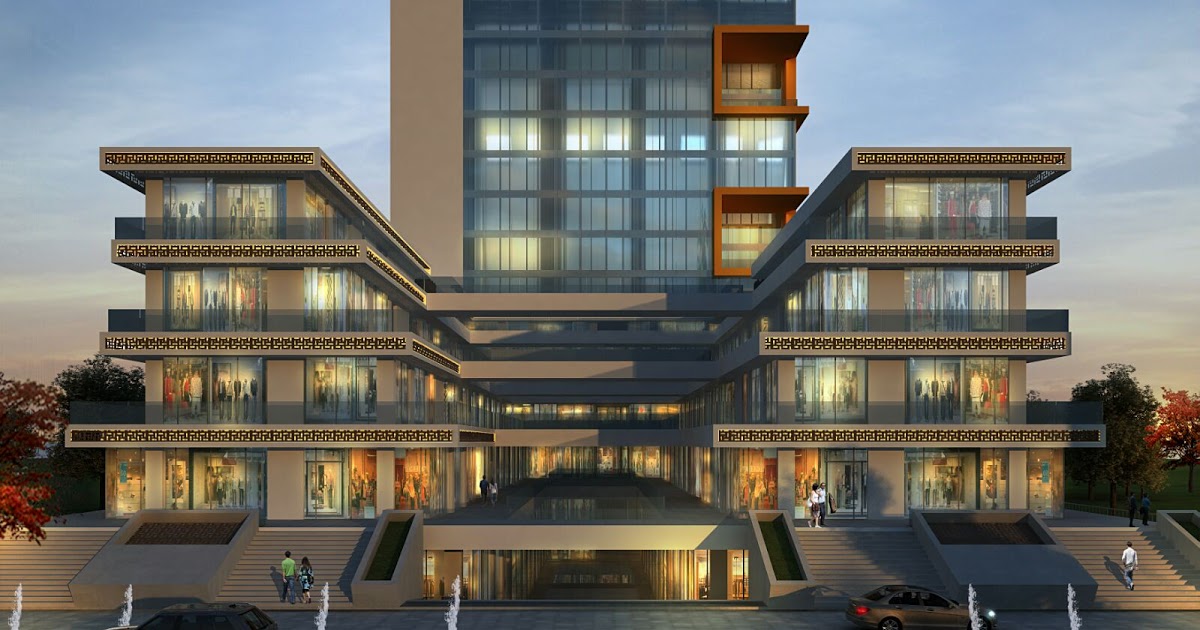
Gurgaon’s commercial real estate sector has witnessed a landmark transaction as a major office park changed ownership in a deal valued over Rs 2,000 crore. The 1.9 million square foot property, home to several multinational tenants, has been acquired by a domestic alternative asset management firm, highlighting both the city’s enduring appeal to institutional investors and the evolving dynamics of India’s office market.
Industry observers point out that this divestment reflects a growing trend among global developers to unlock capital from mature assets while selectively reinvesting in high-growth segments. The seller, an established Singapore-based developer, has been systematically reallocating resources across geographies, following similar exits in other metropolitan centres earlier this year. Analysts note that these moves are shaping a more active secondary office market, providing institutional buyers with opportunities to acquire fully operational, income-generating properties. Gurgaon’s office market, which forms a core part of the Delhi-NCR business corridor, continues to attract multinational corporations due to its robust infrastructure, planned business districts and proximity to international connectivity nodes. The sold property is currently occupied by companies spanning healthcare, technology, and consumer services, underscoring the city’s sectoral diversification beyond IT-centric demand. Experts say this tenant mix mitigates risk and sustains rental yields for long-term investors. The acquiring firm, an arm of a leading domestic financial group, has been aggressively expanding its portfolio in commercial and alternative real estate assets.
The transaction marks a strategic step towards building a diversified, income-producing asset base. Observers expect that the deal will encourage further institutional participation in Gurgaon’s office space, reinforcing the city’s position as a hub for high-quality corporate offices and sustainable commercial development. Urban planners highlight that large-scale transactions of this nature carry broader civic implications. They can influence local employment patterns, transport demand and land-use planning. With Gurgaon experiencing rapid densification, responsible asset management and infrastructure coordination are crucial to ensure that commercial expansion does not exacerbate congestion or environmental stress. Analysts emphasise that such transactions present opportunities to incorporate energy-efficient building retrofits and sustainable facility management practices, aligning with the city’s low-carbon growth objectives. Looking ahead, industry experts anticipate that 2026 will see continued institutional interest in mature office assets across India’s major urban corridors.
The combination of high occupancy rates, diversified tenant profiles, and clear regulatory frameworks makes cities like Gurgaon attractive for alternative asset managers seeking predictable returns. For policymakers and developers, the focus remains on balancing investor-driven growth with sustainable urban planning, ensuring that commercial real estate expansion benefits both the economy and the city’s long-term resilience.
Also Read:
