


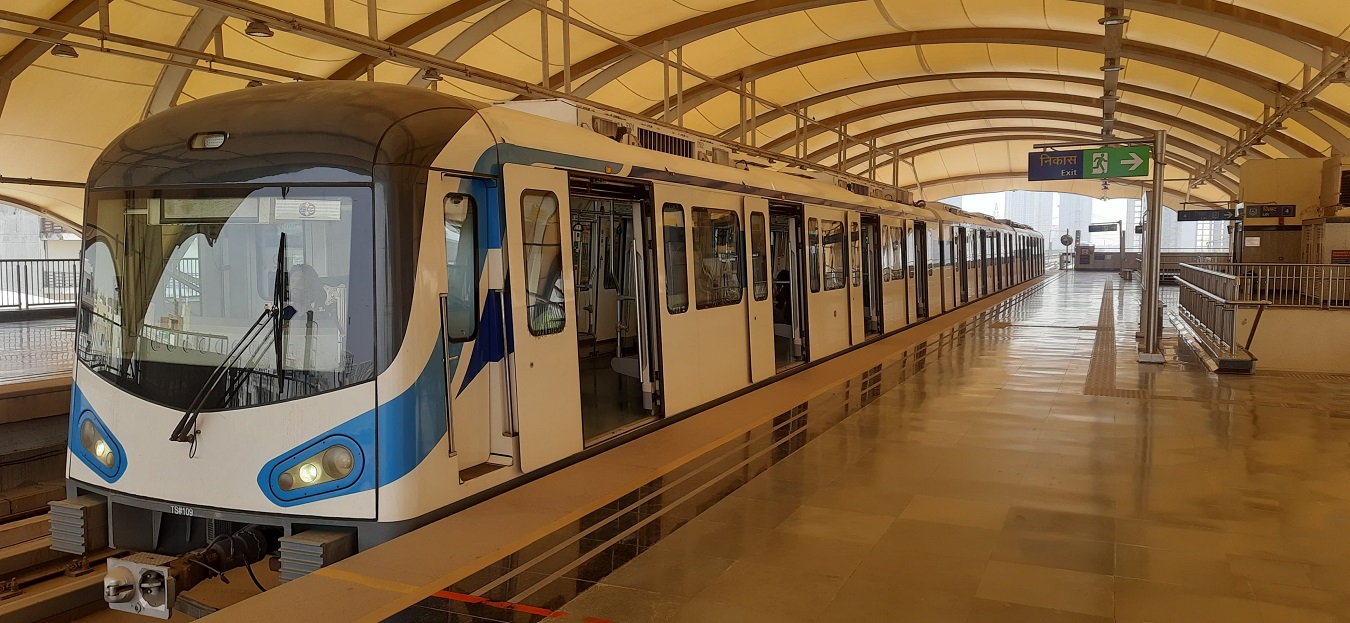
Gurgaon is poised to take a significant step forward in its urban transport development, with construction for Phase 1 of its much-anticipated new metro corridor likely to commence by September this year. Officials from the Gurgaon Metro Rail Limited (GMRL) confirmed that the bidding process for the first phase has reached its final stage, with the contract expected to be awarded within the month.
The corridor—approved by the Union Cabinet in 2023—aims to bridge the transit gap between Millennium City Centre and key residential and commercial zones in the city. Phase 1 of the project entails the construction of a 15.2-kilometre elevated metro line stretching from Millennium City Centre to Sector 9, incorporating 14 stations and a 1.8-kilometre spur to Dwarka Expressway. A ramp to the future depot in Sector 33 is also included in the scope. The civil works contract attracted interest from eight infrastructure players, out of which six cleared the technical evaluation. A joint venture between Dilip Buildcon Ltd and RBL has emerged as the lowest bidder, although final evaluations are ongoing. According to senior officials at GMRL, the ₹1,503 crore project is targeted for completion within 30 months from the start of construction.
Once operational, the corridor is expected to transform intra-city mobility in Gurgaon, especially for sectors currently underserved by metro services. Areas such as Sector 9, 4, 5, 7, and 10—home to dense residential pockets—will gain vital last-mile connectivity. The line also promises to reduce dependency on personal vehicles, thereby easing road congestion and reducing vehicular emissions—an imperative for any city striving towards a zero-carbon future. At present, Gurgaon’s metro network comprises the Yellow Line extension of the Delhi Metro and the Rapid Metro. However, many residential and industrial zones remain isolated from the current grid. The new corridor is designed to address these shortcomings, creating a sustainable, accessible, and inclusive public transport ecosystem.
Experts familiar with the project emphasise that the alignment reflects strategic planning. By connecting growth centres like Cyber Park, Subhash Chowk, Hero Honda Chowk, and Udyog Vihar, the corridor integrates commercial mobility with residential needs—a hallmark of equitable city-building. Moreover, the planned ramp and depot at Sector 33 ensure operational scalability for future expansions. The success of Phase 1 is likely to pave the way for the remaining two phases of the corridor, which will further deepen metro access in the region. As the city grapples with rapid urbanisation and increasing vehicular density, timely implementation of such infrastructure will be critical to maintaining a liveable urban environment.
The metro line’s planned start in September, subject to final contract award, signals renewed urgency in expanding Gurgaon’s sustainable transport grid—one that not only moves people efficiently but also supports the city’s broader climate and development goals.
Also Read : Mangaluru Railways Launch Onam Special Train Services
