


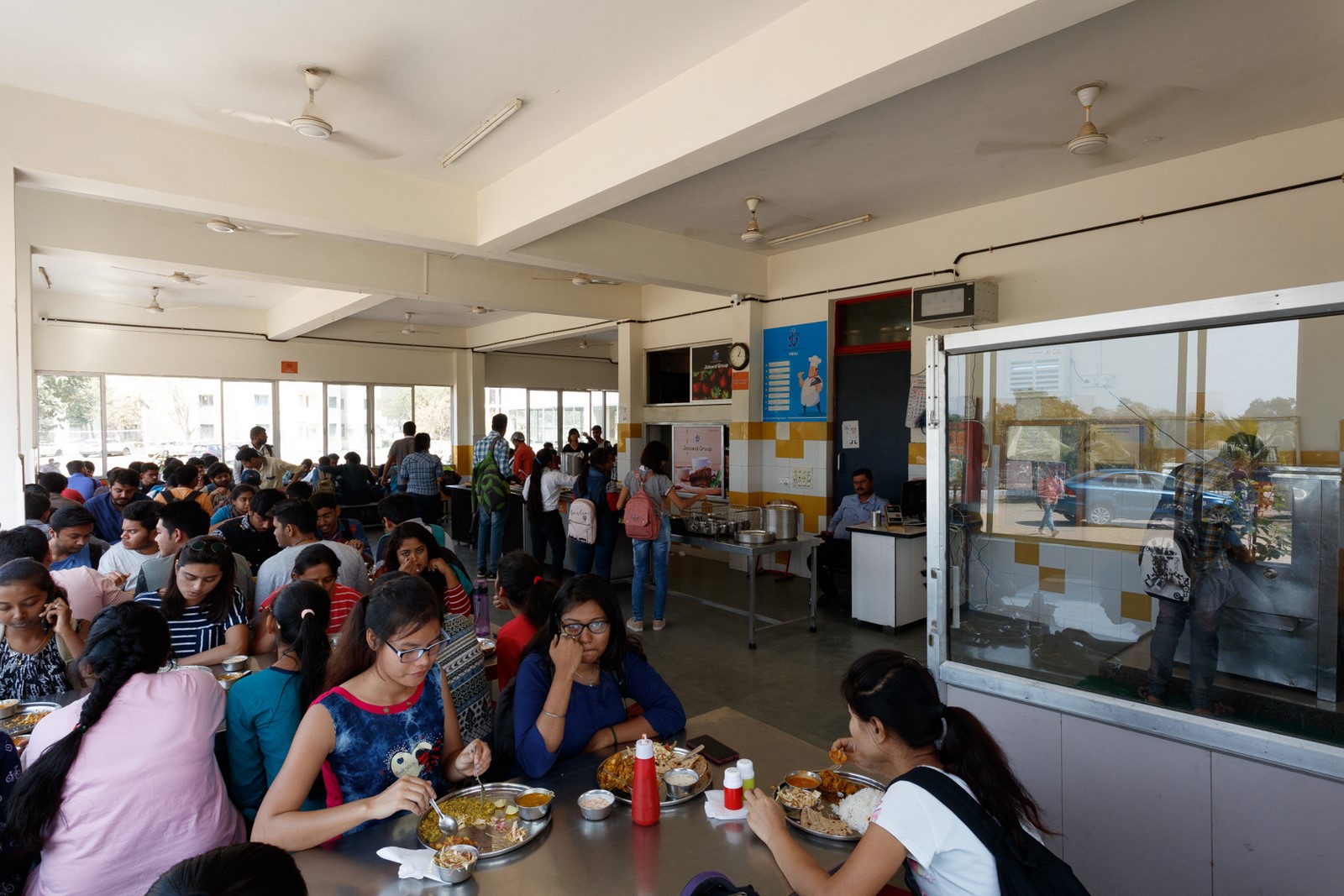
Gujarat University canteen under fire for poor food quality
A major controversy has erupted at Gujarat University (GU) as students express outrage over the substandard food quality served at the institution’s temporary canteen. The issue gained traction after student activists, led by NSUI-Youth Congress representative Subhan Saiyed, presented laboratory test results indicating that several key food ingredients, including tomato sauce, butter, and spices, failed to meet safety and quality benchmarks. The canteen, hastily set up ahead of a crucial National Assessment and Accreditation Council (NAAC) inspection, has drawn sharp criticism for endangering students’ health. With the university lacking a permanent catering system, the incident has reignited demands for a structured and hygienic food supply.
The university’s decision to set up the temporary canteen at its distribution centre was intended to provide affordable meals to students. However, the revelation of poor hygiene standards has sparked outrage among the student community, who rely on this facility for daily sustenance. “Students have no alternative but to consume this substandard food,” said Saiyed, highlighting the urgent need for reforms. The student organisation has officially lodged a complaint with the vice-chancellor, urging an independent assessment of the food served on campus. The controversy underscores broader concerns about the accountability of educational institutions in ensuring the well-being of students, particularly when food safety is compromised.
Beyond immediate health risks, the incident raises serious sustainability concerns. A compromised food supply chain not only affects students but also reflects larger inefficiencies in food procurement and storage. Substandard ingredients suggest poor sourcing practices, which may lead to significant food wastage and environmental impact. Universities, as hubs of young and growing populations, bear the responsibility of implementing sustainable food policies, including quality checks, ethical sourcing, and waste management practices. A more structured approach to food procurement, perhaps through partnerships with certified vendors and regular quality audits, could mitigate such risks and align the institution with broader sustainability goals.
From a civic and urban governance perspective, the issue highlights systemic gaps in regulatory oversight within educational institutions. Universities should ideally serve as models of responsible governance, yet the lack of a structured canteen and proper food safety protocols raises concerns about mismanagement. The students’ protest serves as a reminder of the need for a long-term solution, including establishing a permanent, well-regulated canteen with stringent food safety norms. Additionally, city food safety authorities must ensure regular inspections of food services within educational institutions to prevent similar occurrences in the future. Ensuring quality, affordable, and safe food for students is not just a university responsibility but a larger civic and public health priority.
