


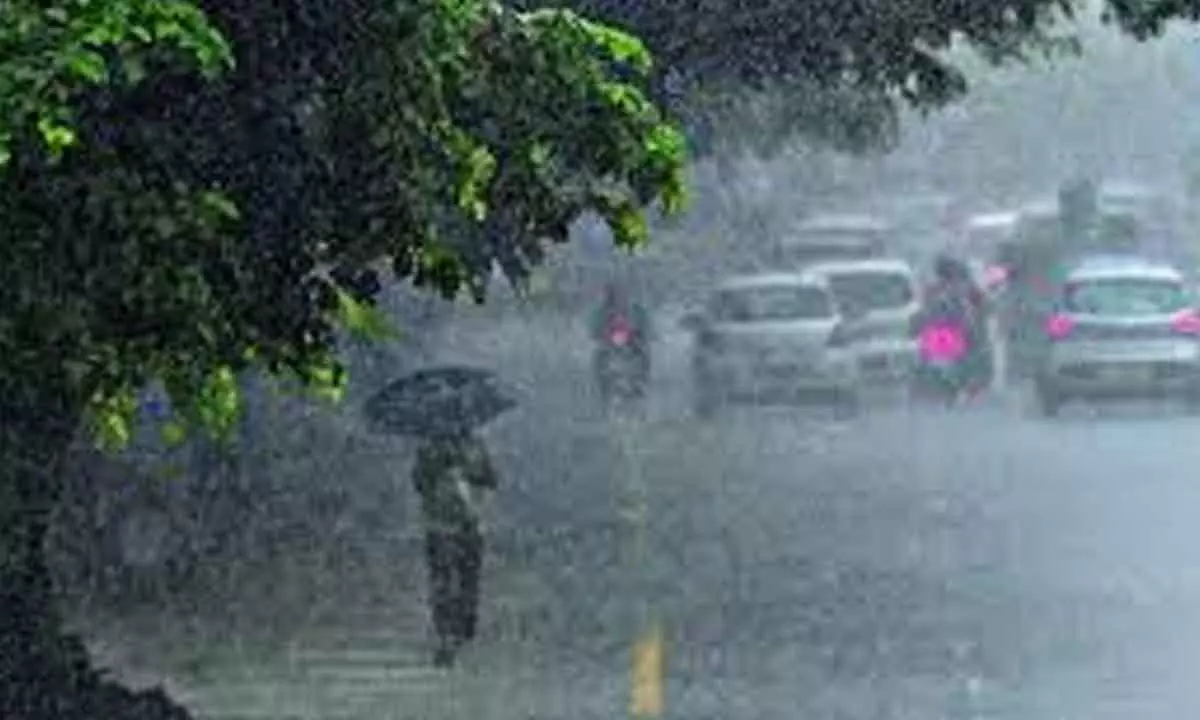
Parts of Gujarat, including Kutch, North Gujarat, Saurashtra and Ahmedabad, have witnessed unseasonal thunderstorms and rainfall, bringing a brief drop in temperatures and signalling growing climate variability across the region. The Gujarat thunderstorms impact has offered short-term relief from heat but raised concerns about shifting weather patterns affecting both urban systems and rural economies. Meteorological activity over the past few days has led to a temperature decline of around 2–3 degrees Celsius in several districts. While the cooling effect has eased early summer discomfort, experts suggest that such abrupt changes are becoming more frequent due to evolving climatic conditions.
The Gujarat thunderstorms impact is particularly relevant for cities like Ahmedabad, where rising heat stress has become a recurring urban challenge. Sudden weather fluctuations can strain infrastructure systems, including drainage networks and power supply, especially when cities are not designed to handle erratic precipitation events. Urban planners highlight that intermittent rainfall during pre-monsoon months can expose gaps in stormwater management. Even short bursts of rain can lead to localised waterlogging in dense urban areas, disrupting mobility and affecting daily economic activity. As cities expand rapidly, the need for climate-resilient infrastructure—such as permeable surfaces and improved drainage—becomes increasingly critical. In rural and peri-urban regions, the Gujarat thunderstorms impact carries mixed implications. While rainfall can benefit certain crops and temporarily improve soil moisture, unseasonal storms may damage standing crops or disrupt harvesting cycles. Agricultural experts note that unpredictability in weather patterns is making farm planning more complex, particularly in regions dependent on seasonal stability. The broader concern lies in the increasing frequency of such weather events. Climate scientists suggest that western India is experiencing more variability in pre-monsoon conditions, with heatwaves interspersed by sudden storm activity. This pattern complicates both urban planning and agricultural decision-making, as traditional seasonal expectations become less reliable. From an economic standpoint, weather disruptions—however short-lived—can affect transport, logistics, and outdoor work sectors. Construction activity, a key driver of urban growth, is particularly sensitive to sudden rainfall events. Delays in project timelines can have cascading effects on costs and delivery schedules. The Gujarat thunderstorms impact also underscores the need for better early warning systems and adaptive planning at the city level. Integrating weather data into urban management—such as traffic control, emergency response, and infrastructure maintenance—can help reduce the impact of such events.
As temperatures are expected to rise again in the coming days, the recent spell of storms may remain a temporary respite. However, the episode offers a glimpse into the kind of climate uncertainty that cities and regions will increasingly need to navigate. For Gujarat’s rapidly urbanising landscape, the challenge ahead is clear: building systems that can handle not just extremes of heat, but also the unpredictability of sudden weather shifts—ensuring resilience for both people and infrastructure in the years to come.
ALSO READ – Surat Land Deal Signals Industrial Real Estate Shift
Gujarat Storms Bring Relief Disrupt Regional Climate Pattern
