Mumbai Region Faces Heavy Rains Raigad On Red Alert Schools Close
Gujarat is currently grappling with an unprecedented monsoon onslaught, as June rainfall figures shattered a 44-year record, leading to widespread flooding across the state. Against a typical June requirement of 110.8 mm, the region was deluged with a staggering 288.7 mm of rain, marking a phenomenal 161% surplus. This makes it the second-highest June rainfall in 125 years. The Meteorological Department forecasts continued heavy showers for the next seven days, impacting several districts and necessitating flood alerts.
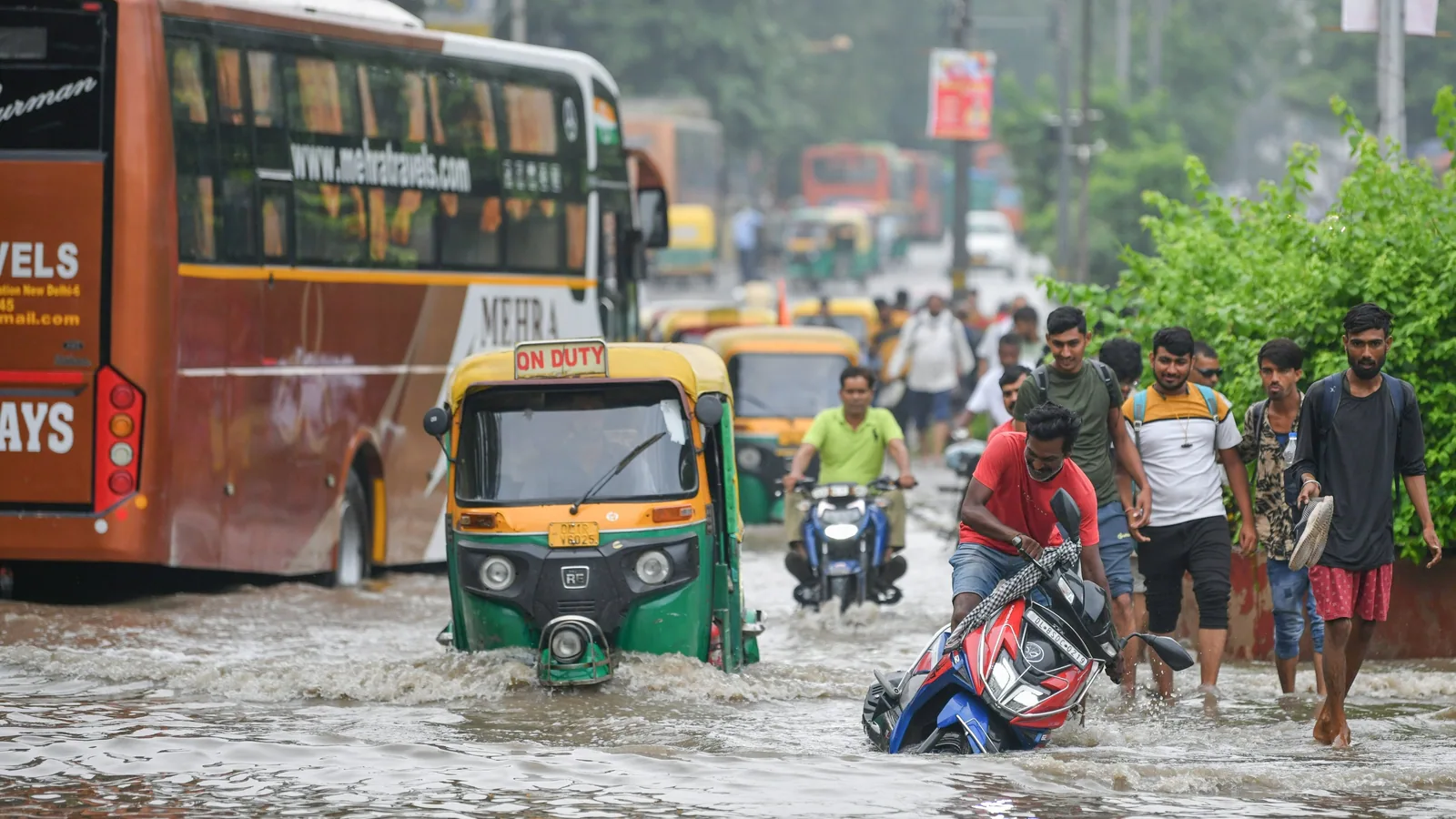
The impact of this relentless downpour is already severe, particularly in North Gujarat. Banaskantha district faced a critical flood-like situation on July 13, with Dantiwada recording over six inches of rainfall, causing widespread inundation. Key transportation routes, including the Abu-Ahmedabad highway, were submerged, stranding vehicles and disrupting travel. Patan also experienced significant waterlogging, rendering railway underpasses impassable for commuters. The state’s Meteorological Department attributes this intense downpour to atmospheric instability, exacerbated by a cyclonic circulation system that reached the Madhya Pradesh-Gujarat border by July 12.
For July 14, an orange alert for heavy to very heavy rainfall has been issued for isolated places across Sabarkantha, Aravalli, and Mahisagar districts. Additionally, heavy rainfall warnings remain in effect for numerous other districts including Mehsana, Panchmahal, Dahod, Amreli, Bhavnagar, Navsari, Valsad, Daman, and Dadra Nagar Haveli. Authorities have strongly advised fishermen against venturing into the rough sea conditions for the next two days. This year’s monsoon has demonstrated a significantly longer presence in June, with South Gujarat receiving the highest rainfall.
The record-breaking rains highlight the increasing frequency of extreme weather events, necessitating robust disaster preparedness and climate adaptation strategies. Effective urban planning for water management and resilient infrastructure is crucial for protecting communities and ensuring equitable resource distribution. Gujarat’s experience underscores the urgent global challenge of climate change.