


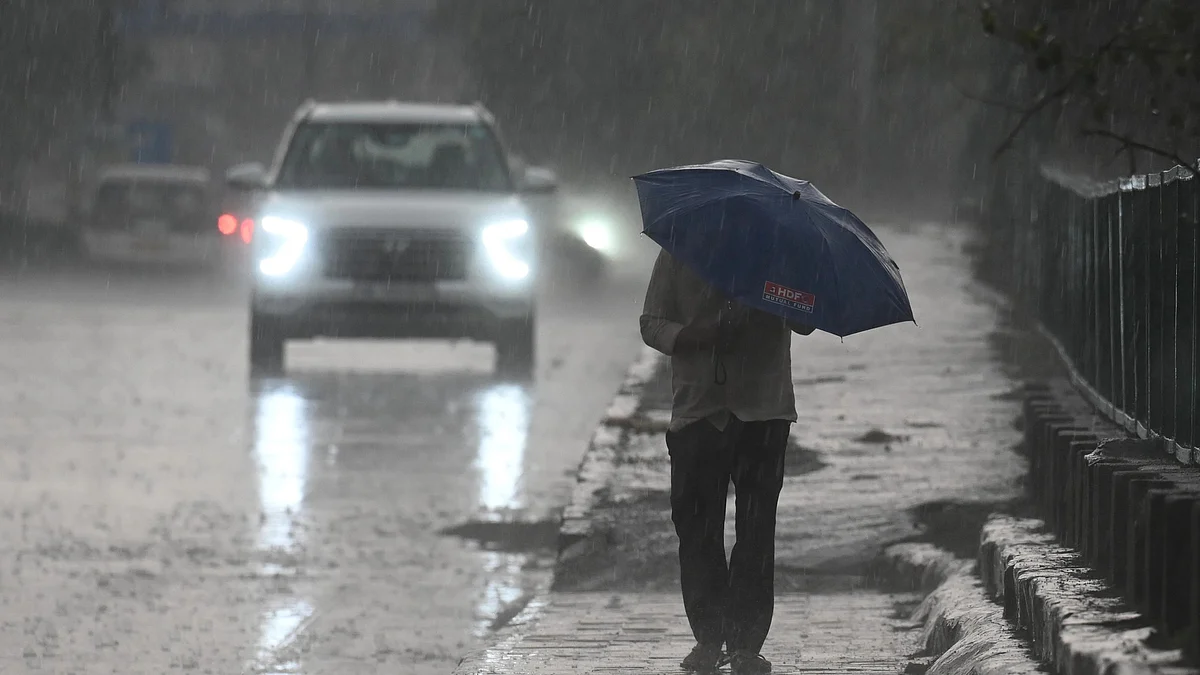
Gujarat has experienced an unprecedented surge in monsoon rainfall, recording its highest figures for the period leading up to July 3 in over a decade. Despite a four-day delayed arrival on June 16, the state has witnessed flooding across various regions, with an average of 12 inches of rain in just 18 days – more than double the ten-year average for this specific duration. This intense precipitation, particularly concentrated in South Gujarat, presents both a boon for the state’s water security and a critical test for its urban and rural infrastructure in the face of escalating climate variability.
The 2025 monsoon season has indeed commenced with remarkable intensity, shattering previous early-season records. The average rainfall of 12 inches by July 3 far surpasses the previous high of 10.83 inches recorded in 2023, signaling a significant deviation from long-term weather patterns. This robust start, while initially welcomed for recharging water resources, quickly transitioned into a challenge, leading to localised flooding across the state. The rapid shift from insufficient rainfall to excessive downpours within a short span underscores the unpredictable nature of contemporary monsoon cycles, posing complex management dilemmas for authorities responsible for creating sustainable and eco-friendly urban environments.
Geographically, South Gujarat has borne the brunt of this early deluge, registering a staggering 23.39 inches of rainfall. In contrast, the Kutch region recorded the lowest at 6.27 inches, highlighting the inherent spatial disparities in monsoon distribution even during periods of overall high precipitation. This zonal variance demands a nuanced approach to water management and flood mitigation, necessitating tailored strategies for different regions to ensure equitable resource distribution and disaster preparedness. The sheer volume of water received by South Gujarat, while beneficial for agricultural prospects in the long run, simultaneously increases the immediate risks of waterlogging, crop damage, and disruption to daily life.
A significant positive outcome of this intense rainfall has been the remarkable increase in water storage across Gujarat’s 207 reservoirs, including the vital Sardar Sarovar dam. As of July 3, 2025, water storage has surged to 48.83% of total capacity, a substantial 9.56% increase compared to the same date last year. This rapid replenishment of reservoirs is crucial for ensuring water security for drinking, irrigation, and industrial use throughout the year, especially given the state’s historical vulnerability to drought. Adequate water reserves are fundamental to fostering sustainable cities, ensuring that a growing population has reliable access to this most critical resource.
However, the flip side of abundant rainfall is the imperative for robust flood management and urban planning. Rapid run-off in highly urbanised areas, combined with inadequate drainage systems, can quickly overwhelm cities, leading to submerged roads, disrupted transport, and compromised public health infrastructure. To align with the vision of zero net carbon, eco-friendly, and resilient cities, municipal bodies and urban planners must prioritise permeable surfaces, efficient stormwater management systems, and climate-resilient infrastructure. Furthermore, ensuring gender-neutral access to information and resources during flood events is paramount, as vulnerabilities can differ across demographics.
Looking ahead, if the current pace of rainfall persists, Gujarat is poised to surpass its record total seasonal rainfall of 49.75 inches from 2024. While this promises long-term water abundance, it also necessitates heightened vigilance and proactive measures from government agencies, disaster management teams, and local communities. The early monsoon’s intensity serves as a stark reminder of the urgent need for comprehensive climate adaptation strategies, robust urban infrastructure planning, and continuous public awareness campaigns to navigate the complexities of evolving weather patterns and safeguard human well-being across the state.
Also Read: Palghar Identifies 85 Flood-Hit Routes for Urgent Climate-Resilient Repairs
