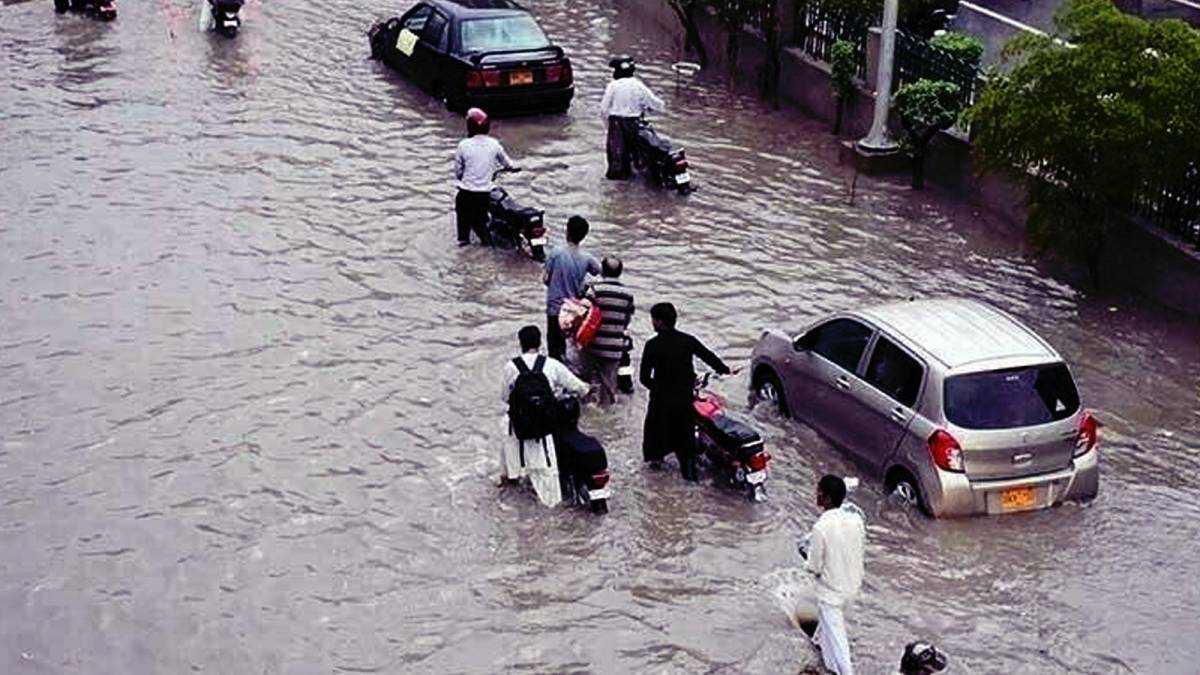
Gujarat Records 53 Percent Seasonal Rainfall, Deploys NDRF And SDRF Teams State‑wide
Gujarat has recorded over 53% of its average seasonal rainfall, with significant showers across various regions, yet the monsoon’s uneven spatial and temporal distribution is presenting multifaceted challenges for the state. While certain areas, particularly Kutch and parts of South Gujarat, have experienced robust precipitation, central and interior districts continue to face delayed onset and moisture stress, impacting agricultural livelihoods and underscoring the complexities of climate variability in urban and rural planning. This mixed rainfall pattern necessitates agile disaster preparedness and nuanced resource management to ensure equitable outcomes for all communities.
In the past 24 hours, five talukas have registered up to 3.5 inches of rain, with notable showers in Junagadh and Vapi. Cumulatively, Kutch leads with 63.35% of its seasonal average, followed by South Gujarat at 56.32%, and North Gujarat, Saurashtra, and Central-Eastern Gujarat all exceeding 50%. State records indicate that 141 talukas have received between 251 mm and 500 mm, 55 talukas between 501 mm and 1000 mm, and 18 talukas a substantial over 1000 mm of rainfall. This data paints a picture of regional disparity, highlighting the need for tailored water management strategies beyond broad state-level averages to effectively address local needs and vulnerabilities.
Despite the overall positive figures, the monsoon’s erratic behaviour in certain districts like Aravalli, Mahisagar, and Dahod has kept reservoir water levels below seasonal norms, creating apprehension among agricultural communities. The State Agriculture Department reports that current rainfall has supported sowing activities in approximately 65-70% of the targeted kharif crop area. However, farmers in North and Central Gujarat have voiced concerns over moisture stress affecting early-sown cotton and groundnut crops due to intermittent dry spells in early July. This variability poses a significant challenge to food security and farm incomes, particularly impacting smallholder farmers and potentially exacerbating gender inequalities in agricultural labour.
To mitigate potential monsoon-related emergencies, the state government has proactively deployed 12 National Disaster Response Force (NDRF) teams and 20 State Disaster Response Force (SDRF) teams across key districts, with additional reserves ready for immediate mobilisation. Furthermore, the State Emergency Operations Centre has ensured full restoration of electricity supply in 14,515 villages previously affected by heavy rains and strong winds, prioritising repairs to damaged infrastructure. These measures reflect a robust preparedness framework, aimed at minimising disruption and protecting lives and property, which is crucial for maintaining urban resilience and ensuring continuity of essential services during extreme weather events.
The Gujarat Water Resources Department is closely monitoring water levels in major reservoirs, including Sardar Sarovar on the Narmada, and has issued advisories for prudent irrigation water use in areas experiencing erratic monsoon activity. This strategic oversight is vital for optimising water distribution, supporting agricultural productivity, and ensuring adequate drinking water supplies across the state. The long-term challenge lies in developing climate-resilient urban and rural infrastructure that can adapt to increasingly unpredictable weather patterns, fostering sustainable water management practices, and creating equitable access to resources for all segments of society, irrespective of their location or socio-economic standing.