


Gujarat Night Crime Surge Triggers Security Overhaul Cops launch Shastra
As urban centres grapple with rising crime rates after dark, Gujarat police have launched ‘SHASTRA’ (Sharir Sambandhi Tras Rokva Abhiyan)—a strategic initiative aimed at strengthening law enforcement in Ahmedabad, Surat, Vadodara, and Rajkot. Data from the e-GujCop crime database reveals that nearly 45% of crimes occur between 6 PM and midnight, making this period the most vulnerable for residents, particularly daily commuters and late-night workers.
A study of criminal hotspots found that 33 police stations across these four cities report the highest crime incidents, with Ahmedabad accounting for 12 high-risk zones, Surat with 9, Vadodara with 7, and Rajkot with 5. The nature of these crimes varies from street robberies and assaults to illegal activities, creating a climate of insecurity for urban dwellers. Law enforcement authorities argue that strengthening police presence and proactive interventions are key to reversing this trend.
Targeted Policing to Ensure Safer Nights
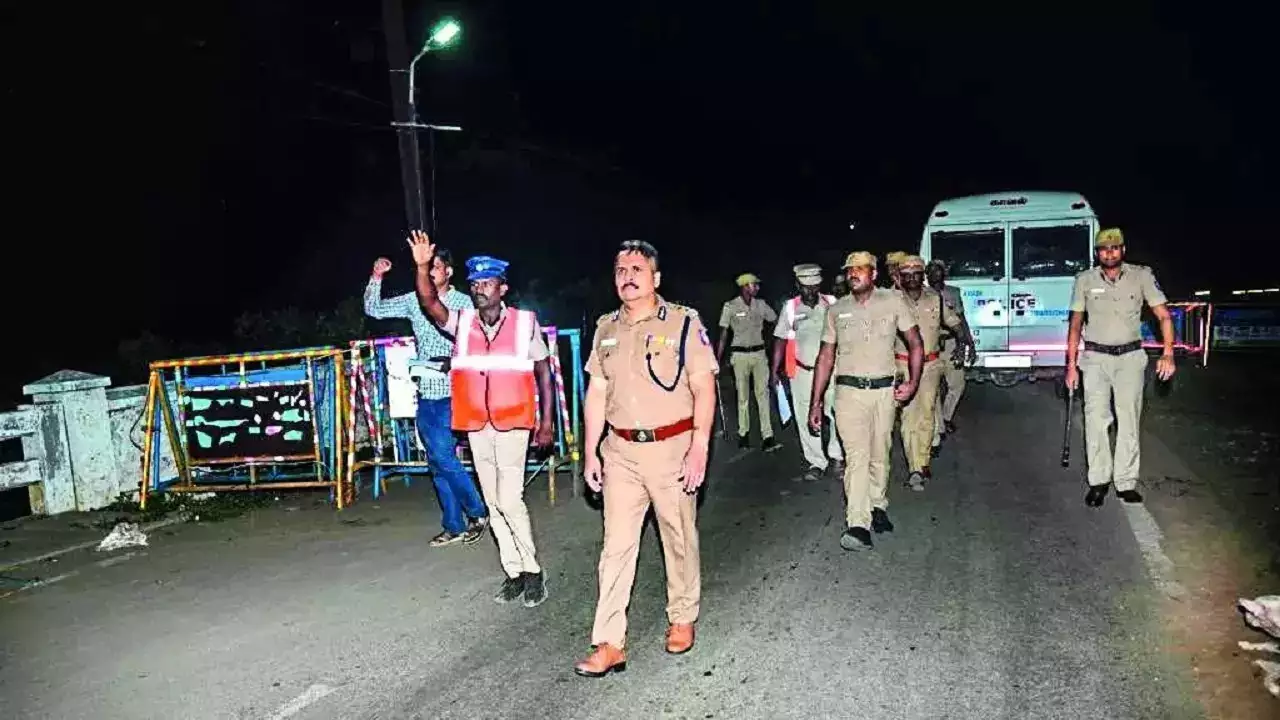
In response to the crime surge, the Gujarat police force has revised its approach to night patrolling, deploying additional officers in sensitive areas. One of the immediate changes includes rolling out patrolling units from 6 PM instead of the previous 8 PM shift, ensuring that officers are on the ground before crime-prone hours begin. This proactive deployment strategy aims to deter offenders and reassure citizens.
Further, under SHASTRA, police stations will intensify random checks, set up roadblocks, and enhance surveillance in high-risk areas. Local law enforcement officials will also closely monitor individuals with prior records and increase surprise inspections at locations known for illicit activities. Authorities state that these interventions are designed to improve public safety, prevent violent crimes, and disrupt criminal networks operating in the night hours.
The Urban Security Challenge and Civic Implications
The rising incidence of night-time crime highlights broader civic and infrastructural concerns in Gujarat’s urban centres. Experts argue that poor street lighting, lack of security infrastructure, and underutilised public spaces contribute to the vulnerabilities of residents. In particular, low-income workers, street vendors, and women returning home late remain at the highest risk, raising serious concerns over urban safety and inclusivity.
While law enforcement plays a critical role in crime prevention, policing alone cannot be the sole solution. Urban planners suggest that expanding well-lit public areas, increasing CCTV surveillance, and encouraging community-based safety initiatives can significantly reduce crime risks. Civic bodies must also coordinate with law enforcement agencies to implement urban design strategies that discourage criminal activities. In cities such as Mumbai and Bengaluru, integrated security frameworks combining smart policing and infrastructure enhancements have yielded promising results, a model that Gujarat could adopt.
Sustainability and the Long-Term Safety Agenda
Ensuring safer cities is not just a law enforcement issue—it is also a sustainability challenge. Crime-infested neighbourhoods often experience economic stagnation, reduced mobility, and environmental degradation as public spaces become unsafe and underutilised. Experts advocate for sustainable urban policing, which integrates safety with long-term urban resilience planning.
Gujarat’s crime-prevention efforts must align with sustainable urban development goals, ensuring that policing measures are complemented by investments in safer public infrastructure, better public transport connectivity, and community engagement programmes. Moreover, data-driven policing, real-time surveillance technologies, and citizen participation in crime reporting can create a more transparent and accountable security framework.
The launch of SHASTRA signals a strong intent to combat urban crime, but its success will depend on multi-stakeholder collaboration between police, civic authorities, and communities. If Gujarat can sustain its efforts through a holistic, long-term approach, it could serve as a model for crime prevention in other Indian cities.
